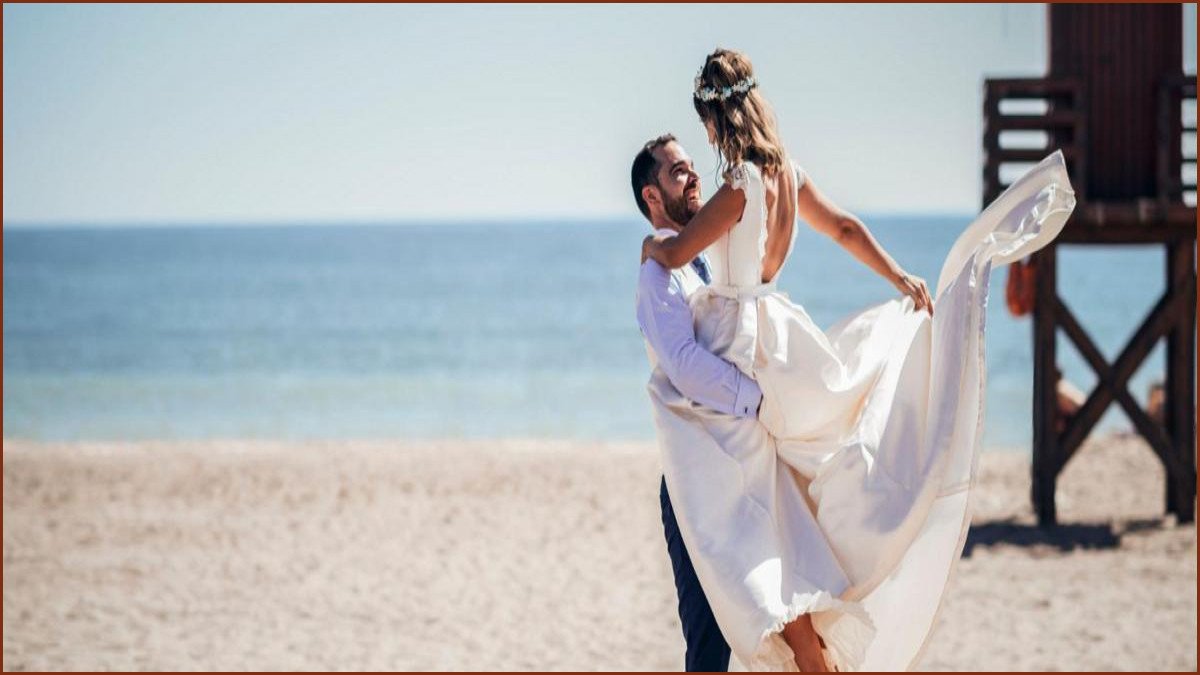
Couples in England and Wales could soon gain the freedom to marry in a wide variety of locations, including private homes, pubs, or even on cruise ships. The UK government is currently proposing what it describes as the most significant overhaul of marriage laws in nearly 200 years, aiming to replace outdated regulations that currently require ceremonies to take place at approved venues to be legally binding.
Deputy Prime Minister and Justice Secretary David Lammy stated that the existing laws have failed to reflect the social and cultural shifts that have defined modern Britain. According to Lammy, the reform is intended to provide couples with more flexibility to marry on their own terms while simultaneously strengthening safeguards to preserve the meaning and permanence of the institution.
He noted that the high cost of weddings often places the commitment out of reach for many, and these changes are intended to make the process more affordable.
Under the proposed framework, couples would be permitted to marry in diverse settings, such as castles, beaches, or hot-air balloons, provided the location is approved by a registered officiant. However, the government has introduced a "dignity framework" to ensure that ceremonies do not descend into "gimmicks" that might trivialize the legal act of marriage.
Consequently, activities such as skydiving, white-water rafting, or riding rollercoasters would be prohibited as they fall short of the required standard. The guidelines further specify that food and drink, including alcohol, should not be consumed casually or recreationally during the proceedings.
Despite these restrictions, the government clarified that the rules would not prevent the inclusion of light-hearted elements, such as readings from Shakespeare or sing-alongs to songs like "Sweet Caroline," provided they remain within the bounds of dignity.
Additionally, the proposals suggest relaxing current limitations on religious content in civil ceremonies, potentially allowing for elements like Bible readings.
The reforms would also enable non-religious belief organizations, such as Humanists, to conduct legally binding weddings. The fundamental legal requirement for a civil ceremony would remain the signing of paperwork and the expression of consent in the presence of an officiant.
This initiative follows recommendations made by the Law Commission in 2022, which concluded that marriage laws dating back to the 18th and 19th centuries were inefficient, unfair, and needlessly restrictive. While outdoor weddings were legalized in England and Wales in 2021, they are still restricted to licensed venues.
In contrast, Scotland has long permitted civil or religious ceremonies in almost any location, including ancient castles and uninhabited islands. In Northern Ireland, religious marriages face no location restrictions, though civil ceremonies remain limited to approved sites.
According to a report from Hitched earlier this year, the average cost of a wedding in the UK has reached £21,990, with the highest expenses reported in London and south-east England. The government is currently seeking public feedback on these proposals through a consultation process that ends on 24 September.
New legislation will be required to enact these changes, meaning the reforms are not expected to take effect until next year.