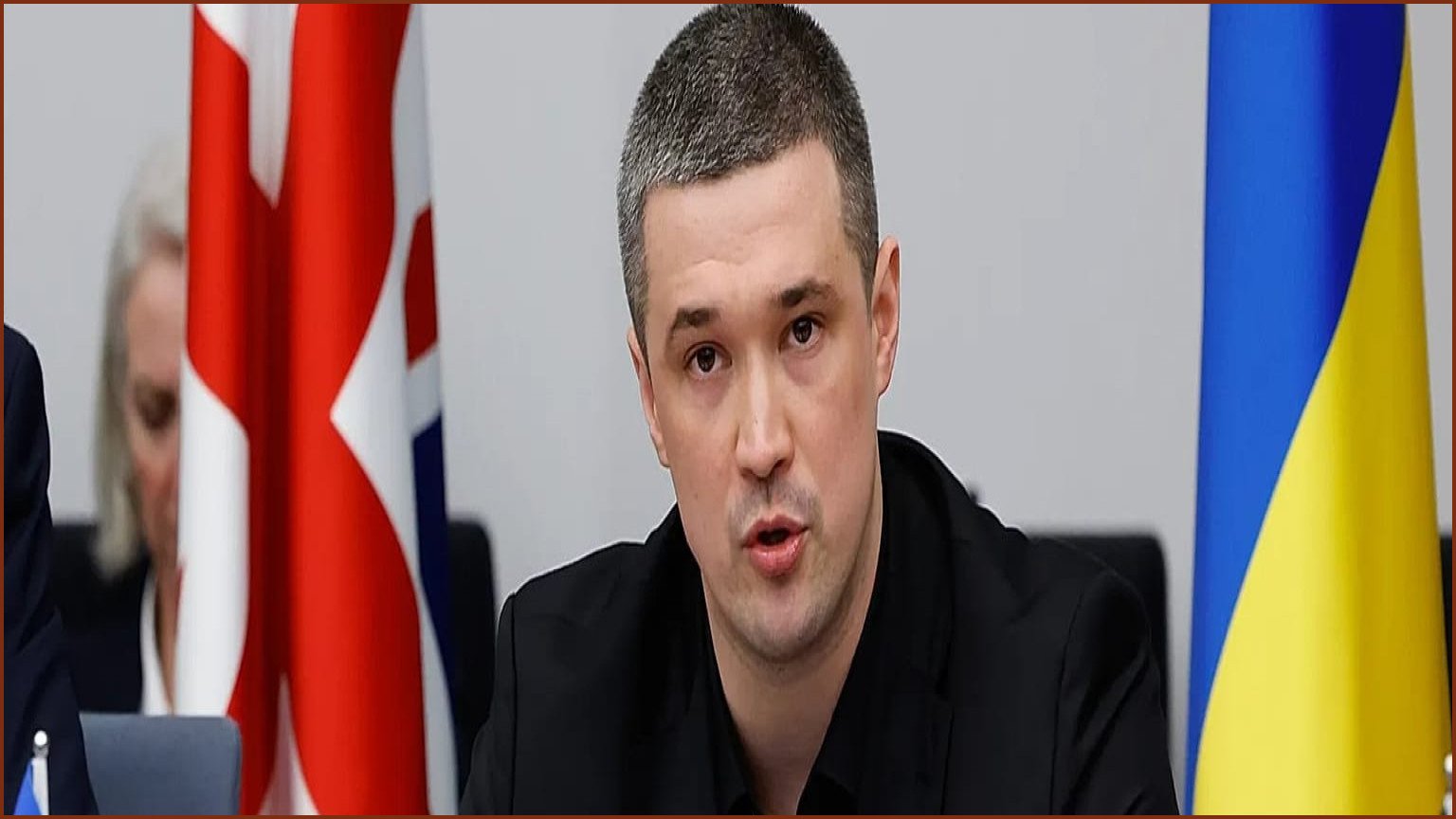
Ukrainian President Volodymyr Zelenskyy has dismissed Defence Minister Mykhailo Fedorov, a move that has ignited considerable speculation and criticism since news of the cabinet revamp broke on Sunday. Fedorov himself was the first to confirm his departure, posting on social media, “It was a great honour to serve the Ukrainian people as Defence Minister.”
During his six-month tenure, Fedorov highlighted what he considers his team's key achievements and failures. Among the successes, he listed the shutdown of Starlink systems for Russian forces, the campaign against Russian logistics in occupied Crimea, and an "unpopular but extremely important" military reform initiative. He expressed gratitude to those defending Ukraine and his team for their service, stating, “I will continue to work toward the mission I came to the Defence Ministry with — to defeat the enemy through asymmetry, the speed of innovation, and the strength of our organisation.”
Interior Minister Ihor Klymenko is expected to replace Fedorov. Klymenko, who led the National Police from 2019 until 2023, was appointed interior minister following the death of his predecessor, Denys Monastyrsky. His nomination awaits support from the Ukrainian parliament.
The dismissal has prompted calls for a peaceful demonstration in Kyiv on Thursday morning, with organisers aiming to express opposition to frequent government reshuffles and the replacement of effective ministers with "convenient opportunists."
On Wednesday, Zelenskyy met with Fedorov and Commander-in-Chief Oleksandr Syrskyi to discuss critical military challenges, including mobilisation. Reports suggest that recruitment issues were a crucial factor in Zelenskyy's decision. Earlier, Zelenskyy had declined to comment on Fedorov's potential dismissal, emphasizing his desire for a "united" and "on the same page" military, with a focus on dialogue between the army and the Defence Ministry, recruitment solutions, and air defence.
Friction had reportedly emerged between Fedorov and Syrskyi over Fedorov’s proposed military reforms, particularly concerning the Defence Ministry's operational structure. This dispute has been characterized as a generational clash between Fedorov, a young manager with a startup background, and Syrskyi, a more traditional military general.
Fedorov acknowledged that a key failure of his tenure was not completing the organisational transformation of the Ministry of Defence in line with NATO standards and "common sense." He noted that while a new structure was implemented and many processes initiated, he should have been "even more decisive in dismissing those who were holding back the changes."
Prior to his role as Defence Minister, Fedorov served as Ukraine's deputy prime minister and minister of digital transformation from 2019 to January 2026. He is credited with implementing Ukraine’s "state within a smartphone" strategy, minimizing bureaucracy through the Diia app launched in 2020. His ministry has also been instrumental in drone development, production, and education reforms since Russia's full-scale invasion. He played a significant role in linking the Digital Transformation Ministry with the Defence Ministry to advance military technology and spearheaded Ukraine's campaign to make Crimea an "island," targeting Russian logistics and military sites.
Fedorov is highly respected within Ukrainian civil society, and news of his dismissal has triggered widespread criticism of Zelenskyy and public outrage.
According to Ukrainian media reports, Zelenskyy acknowledged the clash between Fedorov and Syrskyi during a meeting with his party faction, stating that while ideally both might be dismissed, it was not feasible at that time.