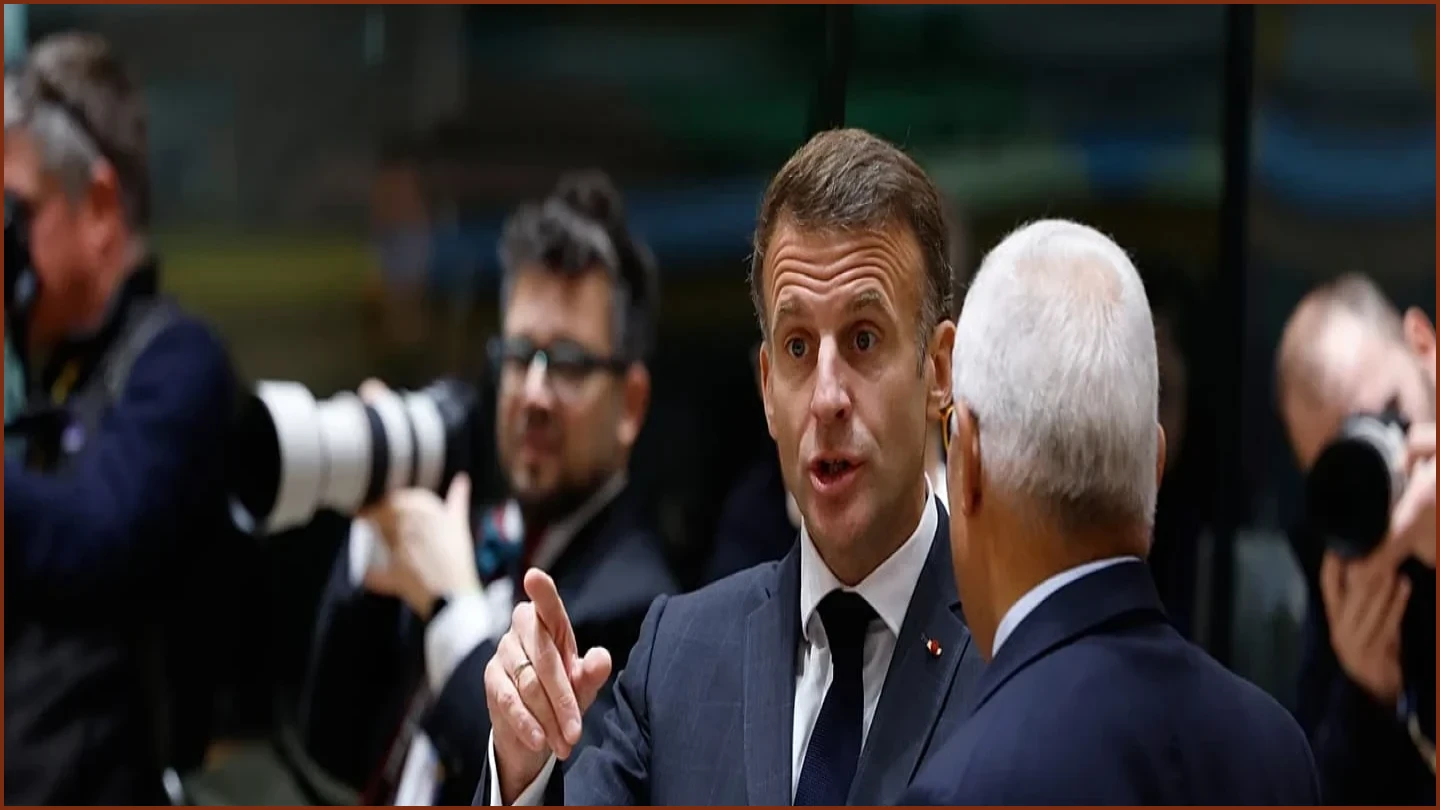
The European Union summit concluded in disarray this week, plagued by intense tensions, reproaches, and even boycotts. The outcome has raised serious questions regarding the leadership of European Council President António Costa, whose credibility now rests on whether these difficult negotiations ultimately succeed or fail. The summit appeared doomed from the outset, as leaders arrived with virtually no willingness to compromise, huddling with their respective groups rather than seeking common ground.
President Costa had introduced a compromise proposal valued at €1.78 trillion in current prices across seven years—a 10% cut from the original draft—but the plan was met with fierce pushback from all sides, taking the Council presidency by surprise. Despite the impasse, Costa defended the process at his concluding press conference, stating, "This meeting was a necessary step in the process. This is a negotiation process. It is normal that the different parties are starting to underline and mark their starting points. Everybody knows that we cannot fail Europe, and we need to have a new budget from the 1st of January 2028."
The member states were split into two distinct camps: the seven "Frugals," who were bent on slashing the budget, and the 17 "Friends of Cohesion," who were determined to push back against further cuts. One leader remarked, "I don't have a time limit. I have specific conditions. When the agreement is one that I consider valid and fair for Italy, then I'll sign it." Dutch Prime Minister Rob Jetten, a staunch "frugal," was equally dismissive of the timeline, stating, "There's no need to hurry. For me, there's no deadline."
Budget negotiations began around midday after leaders settled the matter of Christine Lagarde's succession as European Central Bank president. During the initial plenary session, diplomats reported that nobody caved in, as leaders waited for others to move first. Costa then attempted to break the deadlock by splitting the summit into small groups, including the "frugals," the "cohesion friends," the six largest member states, and finally, geographically mixed sessions. These proceedings frustrated the "frugals," who viewed the format as an attempt to pile pressure on them in favor of the "cohesion friends." Feeling unfairly targeted, the "frugals" closed ranks and boycotted the small-group format, which Costa continued without their participation.
The deep political divide between Paris and Berlin, the EU’s two main powerhouses, cast a long shadow over the negotiations. French President Emmanuel Macron warned that the process risked becoming dangerously entangled in the French presidential campaign, noting that far-right leader Marine Le Pen has vowed to slash France's contribution to the EU budget. Macron decried Costa’s proposed cuts as a "strategic mistake" and stated, "I intend to make it very clear to our colleagues that, for political and democratic reasons, it will not be possible to reopen or conclude negotiations on the budget after 31st December." While some member states viewed Macron's threat as a tactic to extract concessions, one diplomat quipped, "That's quite rich." Macron's rare mid-summit appearance effectively wiped out chances of a breakthrough.
German Chancellor Friedrich Merz adopted a hardline "frugal" stance, vowing to slash the budget even further than the €204 billion proposed by Costa. "It will become less," Merz told reporters. "How much it will be then is open." Merz acknowledged the difficulty of the talks, stating, "Are we any further ahead? Yes and no. We are trying to define which direction it is going." The announcement by Costa early in the summit that talks would not continue on Friday as originally planned further dampened the energy among delegations. While one diplomat described the event as "a lot of political theatre" and noted that no detailed negotiations took place, another remained more optimistic, suggesting, "You need to have a bad European Council to have a good one."
Amid the budget fight, the issue of a €45 billion support loan for Ukraine was largely forgotten. The summit was intended to address the country's ballooning wartime deficit, but the intense fiscal dispute consumed all the energy, leaving Ukraine as an afterthought.
Leaders showed virtually no willingness to compromise as they made their way into Thursday's gathering and huddled with their respective groups.
The summit was supposed to discuss a €45 billion support loan for the country, which faces a ballooning wartime deficit amid Russia's relentless attacks. But the budget fight sucked in all the energy and left Ukraine relegated to an afterthought.