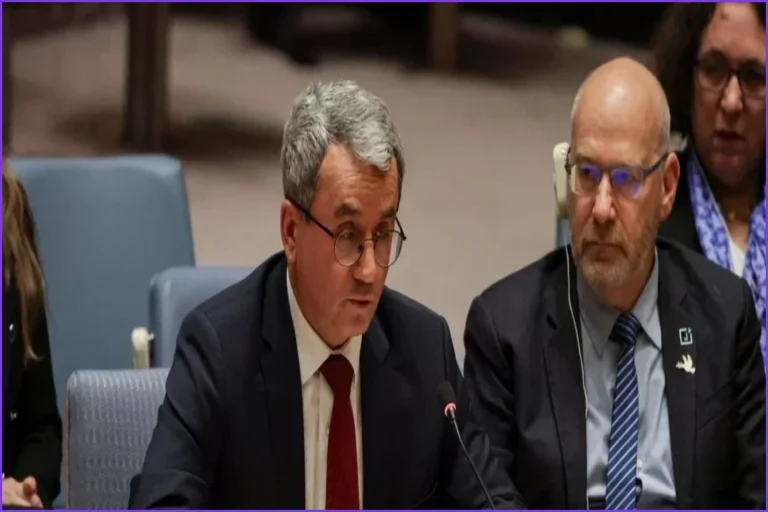
The U.S. Department of Defense has issued a stern rebuke to Canada, labeling the nation as failing to act as a credible partner in North American defense. In a blunt fact sheet released on Monday, the Pentagon criticized Ottawa for its lack of progress in modernizing its military forces and meeting established NATO commitments.
The U.S. department stated that Canada’s defense shortfalls speak for themselves and urged the government to get serious and focused.
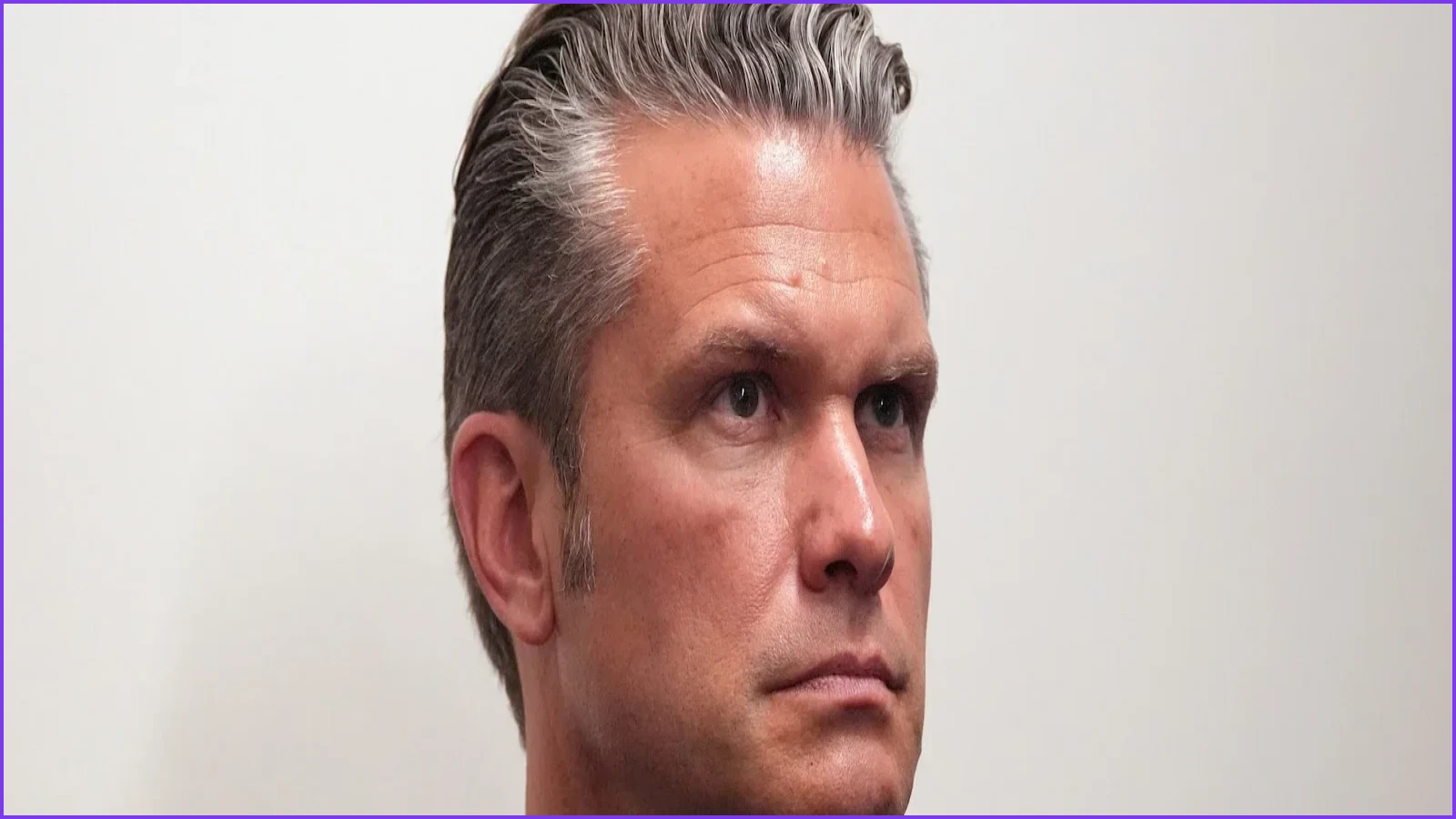
U.S. Defense Secretary Pete Hegseth is reportedly prioritizing the modernization of the Canadian military after decades during which American taxpayers have subsidized much of the country's defense. The Pentagon noted that Ottawa lacks a fully costed, credible plan to reach the NATO spending target of 5%, with the largest planned increases currently deferred until after the 2029 federal election.
This timeline has also drawn scrutiny from Canada’s own parliamentary budget watchdog.
Readiness levels remain a primary concern for U.S. officials. According to the Pentagon, only 41.9% of Canada’s air force fleet and 53.9% of its naval fleet were serviceable during the 2025-26 period, while army readiness was reported at 48%. Prime Minister Mark Carney has acknowledged these readiness challenges, noting that only one of Canada’s four submarines is currently seaworthy, though the government plans to acquire up to 12 replacements.
Carney has also stated that Canada should no longer send three-quarters of its defense capital spending to the United States.
The Pentagon also directed sharp criticism at the Canadian government's review of its planned purchase of 88 American-made F-35 fighter jets. Officials warned that shifting to a mixed fighter fleet could worsen personnel shortages. The U.S. department accused Canadian leaders of prioritizing domestic economic interests over military effectiveness, which has created uncertainty for the North American Aerospace Defense Command, or NORAD.
Prime Minister Carney initiated the F-35 review amid threats to Canadian sovereignty and the imposition of tariffs. Canada has explored the potential acquisition of Swedish-made Gripen fighters, which could provide additional manufacturing jobs.
Relations between the two allies have been strained by broader geopolitical and economic friction, including U.S. President Donald Trump’s trade war and threats to make Canada the 51st state. Beyond the defense directive, U.S. officials have been restricted from participating in certain Canadian think tank and social events under a classified directive from Hegseth.
In May, Pentagon policy chief Elbridge Colby paused a bilateral defense advisory board that had been active since 1940, citing a lack of credible progress on military commitments.
While other NATO allies also remain short of the 5% target, the Pentagon contrasted Canada's situation with Germany, whose military buildup Colby praised as a tectonic shift, and Poland, which he called a true model ally.