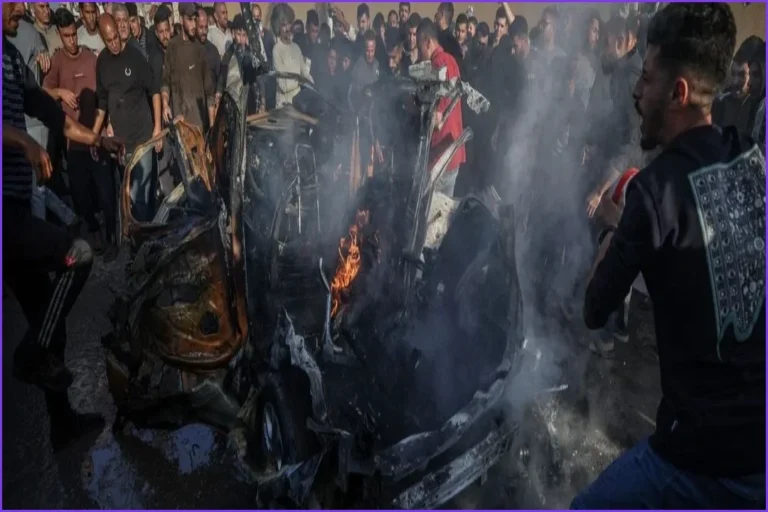
NATO Secretary General Mark Rutte addressed parliamentarians in Berlin on Monday, seeking to reassure the alliance's eastern European members following an incident in which three Russian cruise missiles landed in southeastern Poland. The missile strikes occurred on Friday morning in a rural area approximately 30 miles from the Ukrainian border, taking place while European military forces were conducting exercise maneuvers in the region. Polish Prime Minister Donald Tusk characterized the landing of the missiles—which caused no reported casualties—as an "intentional provocation." The incursions coincided with one of Russia's largest aerial bombardments against Ukraine since the launch of its full-scale invasion.
The Polish missile incursions were part of a broader series of developments over the weekend that highlighted the rising danger of the war spilling beyond Ukrainian territory. On Saturday, a sanctioned Russian cargo ship navigating the Baltic Sea was struck by what authorities suspect was a Ukrainian maritime drone. By Sunday, Ukrainian forces claimed responsibility for sinking a Russian warship docked in the Libyan port of Benghazi, thousands of miles away from the main front lines. Libyan authorities issued a swift condemnation of the strike in their port, underscoring growing international concerns that the confrontation between Ukraine and Russia is expanding well past European borders.
Speaking to journalists and NATO alliance lawmakers at the annual Berlin gathering, Rutte maintained a cautious stance regarding the weekend events. While recognizing the severe risks posed by cruise missile incursions into alliance airspace, he emphasized that Polish authorities must complete their ongoing investigations to determine whether the strikes were deliberate. Rutte stated that the alliance retains "many response options," though he noted NATO cannot always publicly disclose its tactical plans. He called on Western nations to maintain public support and societal resilience for Ukraine, asserting that "for every incident in Europe, more support for Ukraine, not less support for Ukraine."
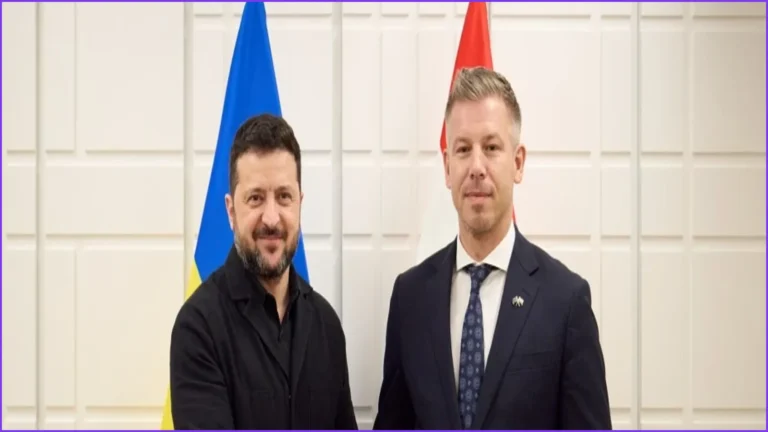
Ukrainian President Volodymyr Zelenskyy joined the Berlin session via video conference, urging European nations to participate directly in fresh peace negotiations with Russia. German Chancellor Friedrich Merz also highlighted Europe's determination to shape future diplomatic talks, reiterating warnings issued alongside other European leaders during a recent "coalition of the willing" summit in Berlin. Merz warned the United States and Russia against negotiating a settlement over the heads of European nations, confirming that Europe is prepared to take a seat at the negotiating table—a position supported by U.S. special envoy for peace missions Jared Kushner.
However, Merz expressed concern over expanding combat actions, stating that no NATO member "has any interest in an escalation in the Baltic Sea region," a remark widely interpreted as a signal for Ukraine to help prevent further spillover. The German chancellor announced that European leaders plan to discuss measures to fortify defense along NATO's eastern flank at an upcoming European Union summit later this week. Reflecting on the long-term origins of the conflict, Merz offered a candid critique of past alliance decisions, arguing that NATO committed a mistake in 2008 by opting not to admit Ukraine as a member. Had Ukraine been integrated into NATO at that time, Merz stated, the current war would likely have been preventable.
DETROW: Let's talk more about the Europeans. What do you think the odds are that they'll end up playing a role in bringing about the end of this war?
DETROW: That is Esme Nicholson in Berlin. Thank you so much.