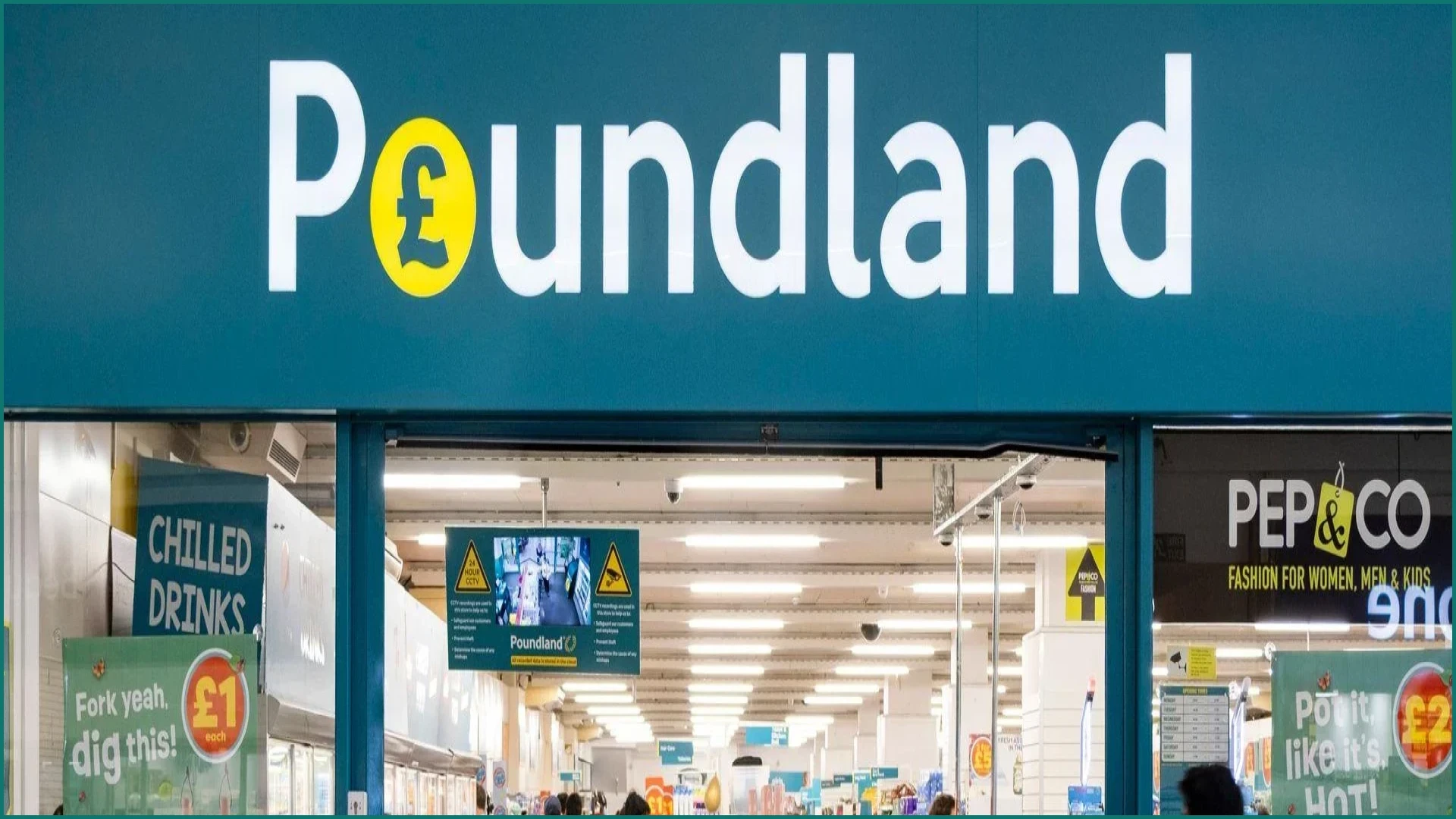
The future of retail chain Poundland remains precarious as the company faces the possibility of falling into administration. The business, which operates 600 stores across the UK and Ireland under the Poundland and Dealz brands, currently employs 11,000 staff members. A collapse would not only threaten these positions but could also jeopardize thousands of jobs at firms that supply the retailer.
Despite these challenges, there are signs that the company has been performing well from an operational perspective. In the year leading up to September, the business transitioned from a £68m loss to an £18.1m profit before interest, tax, and certain accounting charges.
Entering the busy Christmas period, the retailer reported a 7% increase in first-quarter like-for-like sales, with operational profits of £1.9m, marking a £1.2m improvement over the previous year.
Furthermore, Halloween sales exceeded last year's figures by 11.4%. Retail analyst Catherine Shuttleworth of Savvy Marketing noted that such performance is typically a positive indicator for Christmas trade.
Julie Palmer, a managing partner at insolvency specialist Begbies Traynor, emphasized that the current situation does not stem from a lack of consumer interest, noting that the company's tills are busier than they were a year ago. She added that on the face of it, a turnaround seems well under way. However, the retailer is currently embroiled in a funding dispute with its owner, Gordon Brothers.
The investment firm has restricted Poundland’s access to the cash necessary for restocking shelves and covering daily expenses. While Gordon Brothers recently released approximately £21m over two weeks, it had previously frozen nearly £50m in funds, leading to concerns regarding potential stock shortages.
Poundland boss Barry Williams has described the business as making a strong recovery. Conversely, Gordon Brothers maintains that the chain remains vulnerable and challenged by potential future trading downturns. As both the owner and a primary lender, Gordon Brothers has provided funding to support trading since acquiring the business for £1 last year.
The firm has also generated about £18m through debt interest payments and various fees. As the main creditor, the firm would be prioritized for repayment if the business were to fail, a position that Julie Palmer suggests creates tension because the lender's priority of recovering loans may conflict with efforts to save the maximum number of jobs.
Gordon Brothers has also been weighing options to break up the retailer. The US company's view is that breaking the retailer up will provide more security for employees in the long term, because any buyers of its store estate will also have to agree to keep the employees on.
However, the investment firm, which specializes in buying and restructuring distressed companies, has denied the claim. With management and owners at odds, the immediate concern remains the critical holiday trading period.
As Catherine Shuttleworth observed, the future of the retailer remains unclear, particularly as a value chain that cannot stock its shelves during November and December faces significant risk. The situation has also drawn attention from a committee of MPs, though Gordon Brothers appears unmoved by government arguments.
As well as being Poundland's owner, it is one of its lenders, and is owed loans, including a £22.5m shareholder loan it inherited when it bought the business for £1.
"When the owner is also the main lender, its first priority is recovering [loans]," says Palmer. "Sometimes the route that best protects the lender is different from the one that saves the most jobs, and that tension is why this has become such a political story."