The COP31 climate summit in Antalya, Turkey, concluded on Sunday afternoon without a final agreement, marking the end of the longest climate conference in history. The proposed “Antalya pact,” drafted by the summit’s joint Turkish and Australian presidencies, failed to secure the necessary consensus, leading to its collapse after negotiations dragged on well past the originally scheduled Friday finish.
The draft text had invited nations to electrify their economies, provide financial support to developing countries for climate adaptation, and minimize “overshoot” of the 1.5C global heating threshold defined by the Paris agreement. However, it faced intense criticism for failing to endorse a “transition away from fossil fuels,” a demand championed by more than 130 countries. Additionally, the inclusion of provisions regarding “carbon capture and storage” (CCS) technology drew fire from critics who argued that such measures serve to perpetuate reliance on fossil fuels.
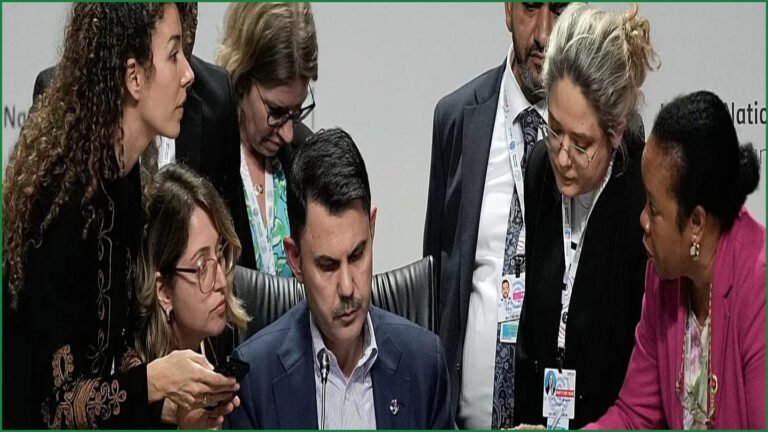
Murat Kurum, the Turkish Cop president, confirmed that the document had not been adopted due to a lack of consensus. “We have done our utmost; ultimately, we have not imposed this text on anyone, nor have we issued an ultimatum such as a ‘take it or leave it’ demand,” Kurum stated. “It is clear that there are parties in this hall who oppose this text. We recognise that there is no consensus on this document. Therefore, these decisions have not been adopted.”
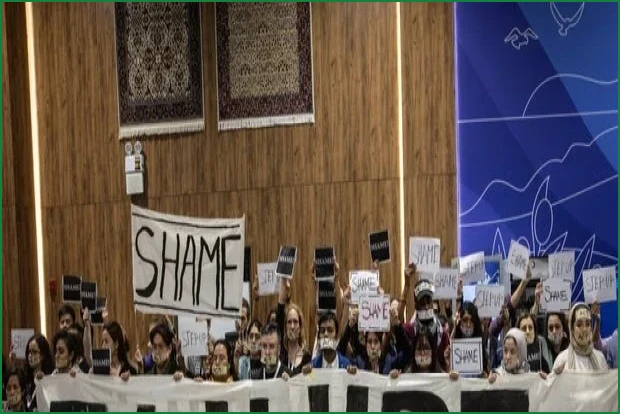
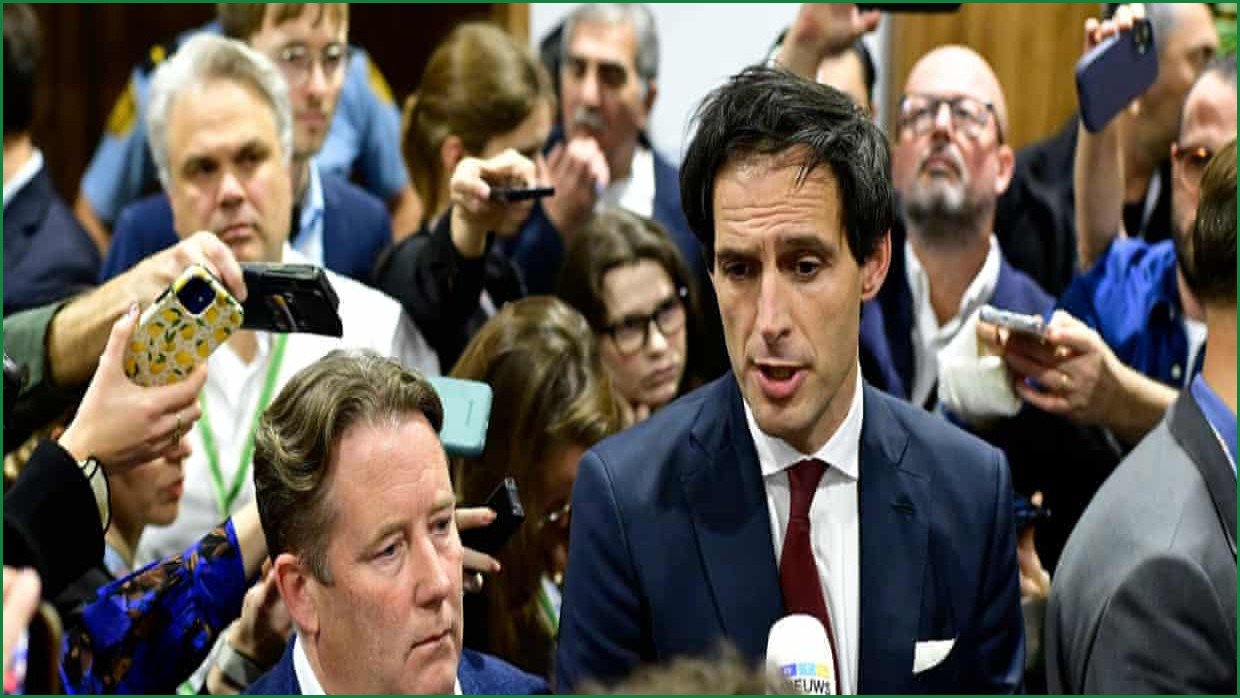
The European Union led the opposition, with an intervention by O’Brien declaring that the bloc could not accept the text in its current form. “It fails to meet the moment,” O’Brien said, noting that the EU would not support a decision that “greenwashes fossil fuels” or fails to mention the primary driver of climate change. The intervention received applause from the floor and was echoed by similar objections from Panama, the Marshall Islands, and Norway.
Reaction to the breakdown was polarized. Bill Hare, chief executive of the advisory group Climate Analytics, described the outcome as a “line in the sand moment” where nations stood up to fossil fuel interests. Conversely, Mohamed Adow, director of the thinktank Power Shift Africa, labeled the event “the worst Cop ever,” criticizing the EU for rejecting the text while simultaneously failing to address its own role in the crisis. Ghana expressed disappointment with the process but stopped short of rejecting the final text, emphasizing a commitment to multilateralism.
Chris Bowen, Australia’s climate change minister and co-president of the summit, defended the leadership’s efforts, stating that they “left nothing on the field” but ultimately faced “unbridgeable” red lines. Simon Stiell, executive secretary of the UN framework convention on climate change, acknowledged the failure to reach a full consensus, though he noted that other agenda items had achieved progress.
The collapse occurred against a backdrop of worsening global climate disasters, including heatwaves, floods, and droughts exacerbated by a supercharged El Niño. Former Irish president Mary Robinson expressed frustration at the slow pace of negotiations, stating, “There isn’t the sense of urgency to address these issues. That to me is very frustrating. We have co-presidents who haven’t really been stepping up and giving that leadership.”
Asked about the consensus-based system that broke down at the talks, Simon Stiell, the executive secretary of the UN framework convention on climate change, said: “It certainly fell short today,” while emphasising that a significant number of agenda items were passed, with “real progress and concrete results”.
While extreme weather around the world has worsened this year, claiming tens of thousands of lives in heatwaves, in disasters such as the glacier collapse in Nepal, and in droughts and floods worsened by the supercharged El Niño, the slow speed of the climate negotiations appalled even veteran participants.