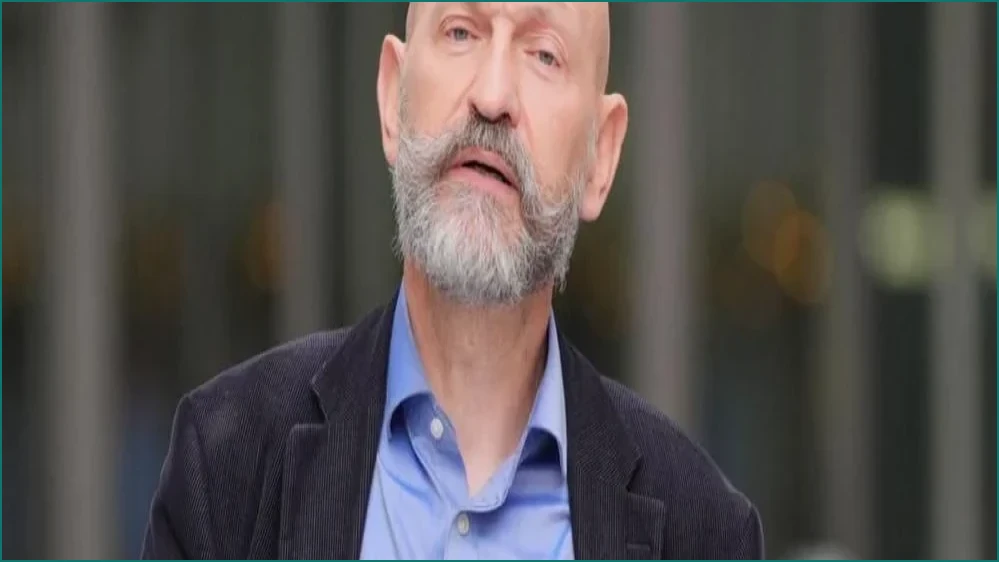
Chris O'Shea, the chief executive of British Gas owner Centrica, has voiced significant concern regarding the financial strain households will face as energy bills are expected to climb in the new year. Speaking to the Sunday with Laura Kuenssberg programme, O'Shea warned that he anticipates an increase in the number of consumers either unable or unwilling to meet their energy payments when the new price cap takes effect in January.
The upcoming energy price cap is set to be officially announced this Wednesday. Industry consultancy Cornwall Insight has provided a forecast suggesting a £443 annual increase for a typical household. O'Shea confirmed that these predictions of a substantial rise are materially correct, noting that the first quarter of the year is traditionally a period of high energy consumption. He highlighted the timing as particularly difficult, stating, "That's right at the point where people will be paying for Christmas and the like. So I am hugely concerned."
The issue of unpaid energy bills has become a significant problem across the UK. According to O'Shea, the collective impact of these arrears means that every electricity consumer is currently paying approximately £1.50 to £1.60 per week to cover the costs associated with those who are not paying. He cautioned that this situation is likely to worsen once bills rise in January. Data from the energy regulator Ofgem indicates that the total amount owed to suppliers by households reached £5bn during the period between April and June.
Government measures to address these costs include a £100 payment for some households, a policy introduced in the recent Budget, alongside a temporary 5% VAT cut on electricity bills lasting until the end of June next year, which is expected to save the typical household about £45. However, these measures have faced criticism. Citizens Advice described the £100 payment as a "drop in the ocean," while consumer advocates argue it will not be sufficient for those already in significant debt. One individual noted: "For someone in a lot of debt, who can't afford their bills, it's not going to touch the sides."
Meanwhile, the Fuel Poverty Action Group has called for stronger intervention from the government and Ofgem against energy companies, alleging that current prices are driven by inflated profits. The group stated that authorities must act against what they termed "blatant profiteering" while people suffer in cold homes or are forced into debt. Currently, energy firms in the UK are subject to a windfall tax introduced in 2022. When combined with other levies, the overall tax rate on profits for oil and gas companies operating in the UK stands at 78%.
The rise in wholesale energy prices, which has been exacerbated by the ongoing conflict in the Middle East, is a primary driver of the increased costs for households. Cornwall Insight projects that Ofgem's price cap will rise by 26% to £2,166 a year for a typical household starting 1 January. This cap affects approximately 20 million households across England, Scotland, and Wales, setting a maximum price for electricity and gas units, so the actual level of bills will vary according to energy usage.