The United Nations' annual climate summit, COP31, concluded in Antalya, Turkey, on Sunday without reaching a final agreement. The collapse followed two weeks of intense negotiations between delegations from nearly 200 countries, which stretched into overtime to become the longest COP summit in history. The impasse was primarily driven by deep-seated disagreements between nations advocating for a phase-out of fossil fuels and those that staunchly opposed such measures.
For the second consecutive year, the United States did not send representatives to the summit, a decision following the Trump administration's earlier withdrawal from the 2015 Paris Agreement. That accord, which set a target of limiting global warming to 1.5 degrees Celsius above preindustrial levels, has remained the central goal for subsequent U.N. climate meetings, though current data suggests the world is on track to exceed that limit.
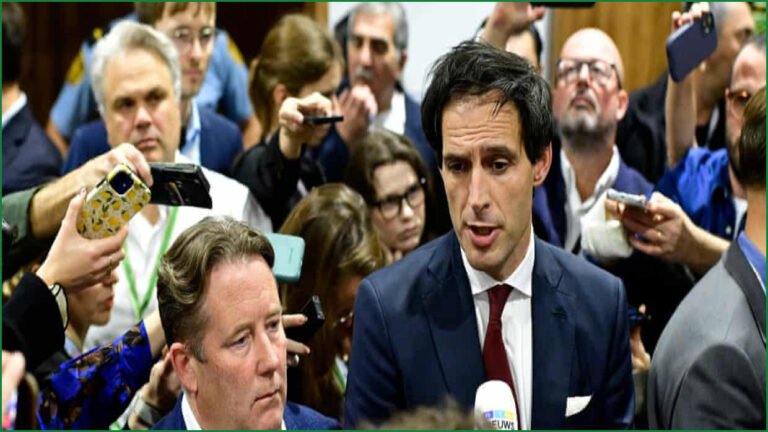
Negotiations reached a standstill on Sunday when the European Union rejected a draft agreement that omitted references to fossil fuels. EU delegates argued that the text served only to placate fossil fuel-exporting nations. They were supported by smaller countries facing significant climate risks, while oil-producing nations, including Saudi Arabia, firmly resisted these demands. The dispute centered on whether the final document should include specific rules and goals for transitioning from coal, oil, and natural gas toward renewable energy sources.
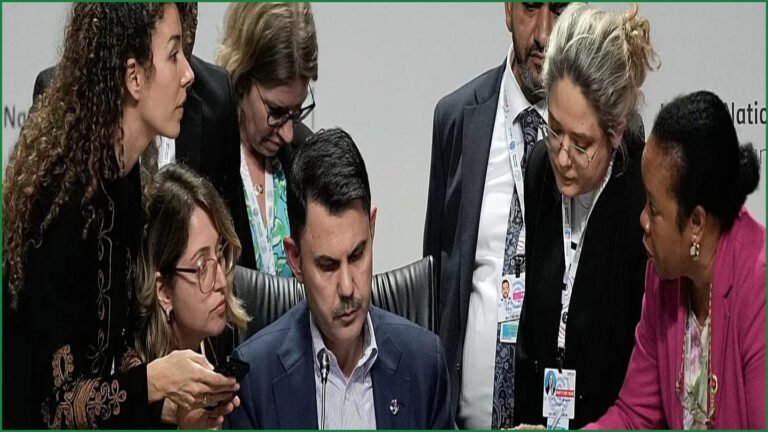
Kurum, addressing the failure of the talks, stated, "We have always emphasized that this process is one that respects the will of the parties. We did everything we could. In the end, we did not impose this text on anyone. We did not pressure anyone with a take-it-or-leave-it approach. There are parties in the hall that oppose this text, and we see that there is no agreement on it. Therefore, these decisions have not been adopted."
An initial draft had included language calling for "accelerated action to phase out fossil fuels" and urged an end to inefficient fossil fuel subsidies, while also targeting a return to warming levels below 1.5 degrees Celsius. However, that language was removed in later versions due to persistent divisions regarding financing and timelines. Subsequent drafts instead proposed targets to capture billions of tons of carbon dioxide annually by 2035, a technology that critics argue serves as a distraction from the necessary reduction of fossil fuel consumption. These drafts also included goals for renewable energy, energy efficiency, and a target for electricity to provide more than one-third of the world's energy by 2035.
The summit took place during a year defined by record heat, deadly disasters, and extreme weather events, which scientists associate with climate change and a powerful El Niño. U.N. Secretary-General António Guterres, speaking in Antalya, urged governments to move away from fossil fuels, triple adaptation funding by 2035, and implement taxes on fossil fuel companies' windfall profits to assist vulnerable nations. "Polluters must pay," Guterres said, emphasizing that poverty cannot be eradicated while climate disasters continue to occur. He further noted that one cannot promise young people a better future while destroying the natural systems on which that future depends, nor speak of justice when those who did least to cause the crisis suffer first and worst.
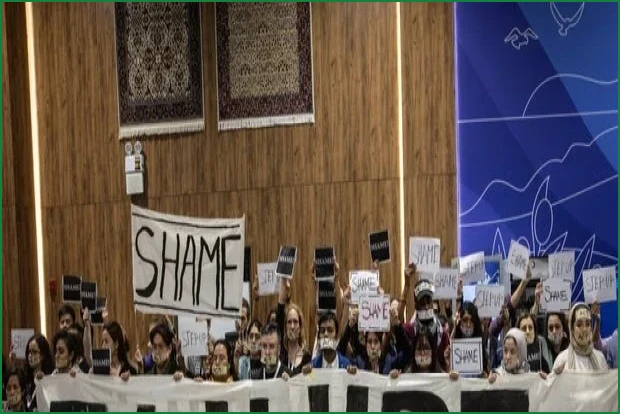
Environmental advocates expressed frustration that the proposals failed to address the urgent needs of affected communities. Ellen Dorsey, recognized on the TIME100 climate list, noted that while she did not expect substantial action from COP31, the lack of progress was concerning. "The time for simply talking about phasing out fossil fuels is over. Governments need to act," Dorsey said, calling for an equitable phase-out and an end to fossil fuel expansion and subsidies. Dorsey noted that fossil fuel lobbying has grown over the past decade, as has the presence of industry interests in national delegations. Despite the failure of the negotiations, Dorsey pointed to growing momentum in grassroots movements and diplomatic efforts like the Santa Marta process as signs of a "historic inflection point" for systemic change.