Prominent corporate figures who served as long-standing directors of the Bank of England profited from illegal and brutal slavery in Cuba for decades after the practice was outlawed across the British Empire, according to new findings by historian Chris Evans.
The research demonstrates that ties between the top echelons of Britain's financial infrastructure and the transatlantic slave trade persisted long after the UK abolished the trade in enslaved people in 1807 and enacted the Slavery Abolition Act in 1833. As the British government moved to dismantle its imperial slave system, financiers in the City of London actively expanded copper mining operations dependent on forced labor in Spanish-ruled Cuba.
At the center of the lucrative enterprise was the El Cobre copper mine near Santiago de Cuba. Enslaved men and boys were subjected to prison-like conditions, severe daily violence, and torture. The mine served as a primary source of raw material for Britain during the Industrial Revolution. By the 1840s, Cuba had become the UK's most critical foreign source of copper ore, supplying key components needed for Manchester's cotton manufacturing, expanding railway networks, and telegraph communications.
Key commercial players included Bank of England directors Charles Pascoe Grenfell, who served until 1864, and William Thompson, a former Lord Mayor of London. Both acted in a private capacity. Grenfell was a principal driving force behind the enterprise as a partner in the Cobre mining and export firm, while also partnering in the Swansea-based smelter Pascoe, Grenfell & Sons, which processed the imported ore in Wales. Thompson directed the Royal Santiago Company, an export firm that profited from the mined copper.
Enslaved workers at El Cobre were largely trafficked on illegal voyages from the Bight of Biafra, located in modern-day Nigeria. While slavery remained legal under Spanish rule in Cuba, importing captives was illegal under an 1817 Anglo-Spanish treaty. However, local colonial authorities routinely disregarded the prohibition, with an estimated 25,000 forced captives arriving in 1859 alone. High mortality rates indicate that thousands of Africans were exploited at the site, though their individual life stories remain mostly unrecorded.
In his book, Slavery’s Long Goodbye – Capitalism, Nationalism and Christianity in the Age of British Emancipation, Evans details how British anti-slavery naval patrols off Cuba intercepted only a tiny fraction of incoming slave ships. Evans noted that as Britain ostentatiously wound down its own slave system in the 1830s, British capital actively boosted forced labor elsewhere in the Western Hemisphere through flourishing illegal networks involving French and Spanish traders.
Efforts to halt the practice through British legislation were thwarted by industrial interest groups. In 1843, following undercover investigations by the British and Foreign Anti-Slavery Society into British mining activities in Brazil and Cuba, parliament drafted legislation to prohibit British citizens from owning enslaved people abroad. However, intense lobbying from mining interests resulted in diluted legislation that allowed companies to retain existing enslaved workers as property and hire additional ones. The concessions led abolitionists to withdraw their support, leaving the law ineffective at curbing exploitation.
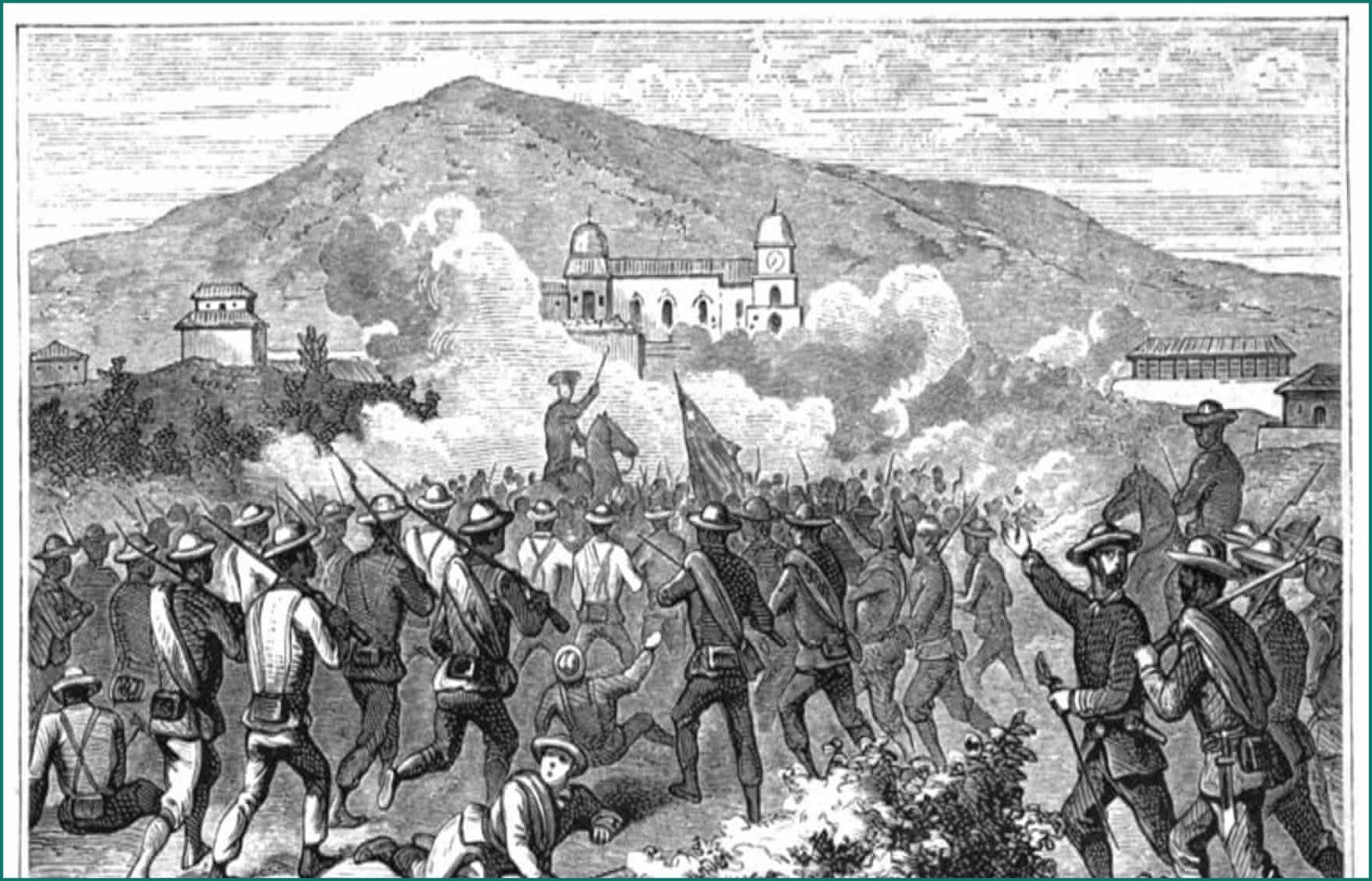
Neither Grenfell nor Thompson faced legal penalties for their involvement. Grenfell later became the Liberal MP for Preston in the late 1840s, publicly boasting that his father had been an abolitionist. Enslavement at El Cobre only came to an end in November 1868 after Cuban revolutionaries captured the town, with a rebel commander formally proclaiming the miners' emancipation on New Year's Eve. Many of the freed workers subsequently joined Cuba's liberation army.
Evans, a former professor at the University of South Wales, explained that unlike West Indian sugar, which consumers could boycott, copper was embedded in the infrastructure of the industrial world. He noted that joint-stock capitalism and the complexity of Victorian industrial society rendered slavery invisible to thousands of middle-class investors, even as the London mercantile-financial elite maintained deep engagement with forced labor long after domestic emancipation.
Previous historical studies have documented that dozens of financiers involved in establishing the Bank of England in 1694 invested in enslavement. Scholarship dating back to Trinidadian statesman Eric Williams’s 1944 book Capitalism and Slavery has underscored how chattel enslavement was integral to the growth of British capitalism. The new disclosures come amid growing international pressure on the UK to issue formal apologies to African and Caribbean nations, with Commonwealth leaders scheduling structured discussions with UK Prime Minister Andy Burnham in the coming year, despite political pushback from figures like Conservative leader Kemi Badenoch.
In response to the research, a Bank of England spokesperson stated, "We have previously acknowledged the role of former governors and directors in the slave trade."