Baroness Cass, author of the independent review into youth gender identity services, told a parliamentary committee that she cannot support the draft bill banning conversion practices in its present form. Despite having previously welcomed the proposed legislation, she warned lawmakers that the current text risks severe unintended consequences for both medical professionals working with gender-distressed young people and parents attempting to guide their children.
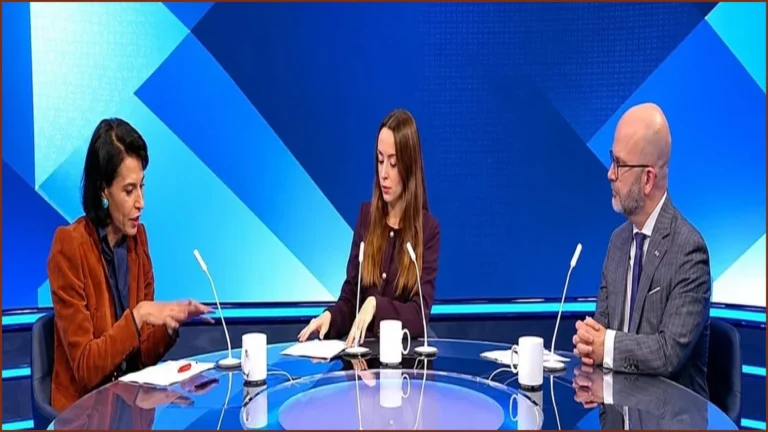
Speaking before the Draft Conversion Practices Bill committee—which is scrutinising proposed legislation designed by the government to protect LGBT people across England and Wales—Baroness Cass offered a straightforward "no" when asked directly if she supported the current draft. Her stance comes despite her long-standing view that conversion practices are "abhorrent," a position she reaffirmed from her landmark 2024 report. She emphasized to committee members that she remains firmly opposed to any LGBT individual being subjected to conversion efforts, stating that her goal is to see "a bill that protects the people it's supposed to protect, but doesn't accidentally entrap those who you don't want to [entrap]."
Conversion practices are broadly defined as treatments, interventions, or activities intended to suppress or alter a person's sexual orientation or gender identity. Often occurring within family or religious environments, these practices can cause profound distress to those targeted. Following years of sustained campaigning across the UK to outlaw such actions, the Labour Party committed in its 2024 manifesto to introduce prohibiting legislation, leading to the publication of draft proposals in June.
When the draft legislation was initially unveiled earlier this year, Baroness Cass was featured in official publicity material praising the draft for offering a clearer definition of conversion practices compared to previous versions while clarifying what falls outside the ban. However, when questioned by the scrutiny committee about her initial endorsement, she explained that while she supported the underlying principle, she had not had sufficient time to examine the detailed text before the press release was issued, though she allowed the quote to be published regardless.
Central to Baroness Cass's present concerns is the heightened polarization surrounding gender identity debates, which she argued could lead to the law being weaponized in ways never intended by its authors. The draft bill currently establishes a harm threshold requiring a victim to experience "serious harm to the individual's physical or mental health, or serious alarm or distress to the individual which has a substantial adverse effect on their usual day-to-day activities."
Baroness Cass cautioned that this specific legal language leaves open the possibility of "vexatious" complaints against healthcare providers and therapists treating young people experiencing gender distress. She noted that effective therapeutic care frequently requires addressing underlying traumas that can cause significant emotional distress during treatment. "If a young person, for example, has been sexually abused, any discussion about it is going to be incredibly triggering," she explained. "But if you can't therapeutically work through it without any reference to it, and that's the problem."
She further highlighted growing anxieties among clinicians operating within the new NHS Gender Dysphoria Clinics. According to Baroness Cass, medical professionals fear that undergoing formal complaint processes could inflict lasting career and reputational damage, even in instances where no criminal prosecution ultimately occurs.
Beyond clinical settings, Baroness Cass raised concerns about potential legal ramifications for domestic environments under the current draft text. She warned that everyday parental boundaries could inadvertently fall within the scope of the criminal law, citing the example of a parent withholding money from a child to prevent them from purchasing a "breast binder or hormones," which could potentially expose the parent to prosecution.
Responding to her committee testimony, a government spokesperson stated that ministers welcomed her feedback and emphasized their commitment to refining the legislation through pre-legislative scrutiny. "We want to get this ban right, which is why we have put this draft bill forward for pre-legislative scrutiny," the spokesperson said. The government reiterated its appreciation for both her support in ending abusive practices and her warnings regarding unintended consequences, adding that it will carefully evaluate all evidence presented to the committee as it works to end "almost a decade of delay for LGBT+ people who should never have to suffer abuse in an effort to change who they are."