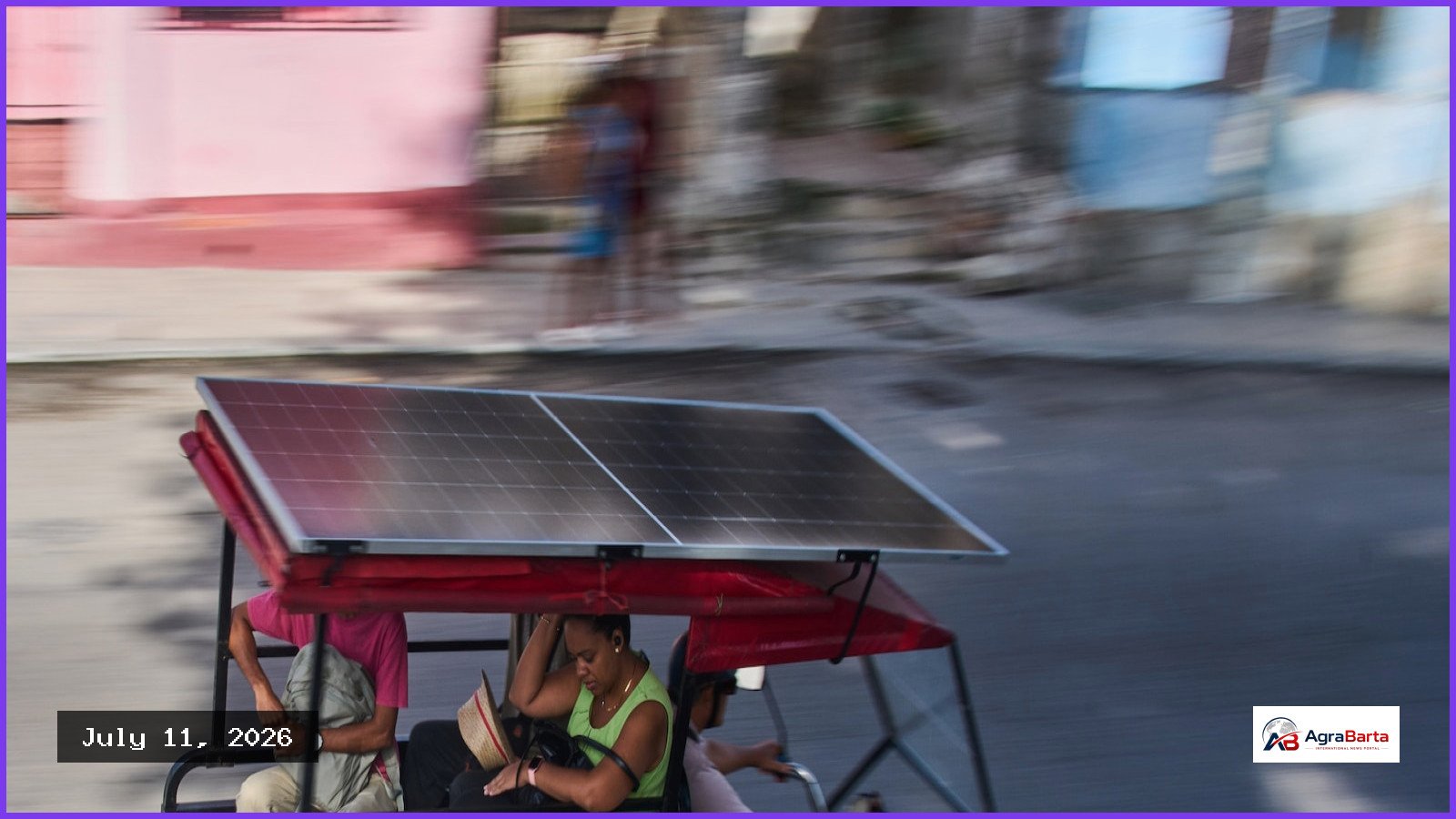
In Havana, the iconic vintage cars that once defined the streets have largely vanished, replaced by small electric tricycles, primarily manufactured in China. These three-wheelers have become the primary mode of transportation for hundreds of thousands of Cubans struggling with a persistent fuel crisis and frequent power grid failures. Unlike the older gasoline-powered vehicles that previously filled the air with black smoke, these electric alternatives are now essential for public transit and goods delivery.
The vehicles, which typically cost between $2,000 and $4,000, are often out of reach for the average Cuban. However, many residents have managed to acquire them by selling older gasoline vehicles, receiving assistance from relatives abroad, or reinvesting profits from small businesses. Brands such as Zonsen and Jinpeng are common, while the Vedca brand is assembled locally under an agreement with China. These tricycles generally operate on lithium or gel batteries.
To combat the island’s energy instability, many owners have retrofitted their tricycles with solar panels on the seat awnings. Carlos Álvarez, a 29-year-old engineer who specializes in electric vehicle workshops, noted that while the solar installation costs around $500, it provides a quick return on investment by allowing owners to recharge independently of the strained national power grid. Ricardo Quintero, an engineer and tricycle owner, uses his vehicle to transport produce for his family’s vegetable stand, noting that the shift to electric transport appears to be a permanent change.
The necessity for these vehicles follows a severe decline in fuel availability. Since January, when U.S. President Donald Trump threatened tariffs on nations supplying oil to Cuba—a country that only produces 40% of its required fuel—imports have plummeted. Only one oil tanker reached the island in late March, compared to an average of eight per month previously. This has deepened the nation’s five-year economic crisis, resulting in worsened blackouts and shortages of essential food and medicine.
For many, these tricycles serve as a lifeline. They have taken over routes once covered by buses and are even used for garbage collection in some neighborhoods. Berta Ferrer, a 52-year-old clerk, explained that the cost of a ride is about 500 Cuban pesos, or less than $1. This represents a significant financial burden in a country where the average monthly salary is approximately $10 for state workers and $40 for private-sector employees. Despite the expense, the prevalence of these vehicles is undeniable, with countless numbers of them seen on Havana streets throughout the day.
“This is how people get around now,” said 40-year-old Liecer de la Cruz, who owns one of these vehicles.
Follow AP’s coverage of Latin America and the Caribbean at https://apnews.com/hub/latin-america