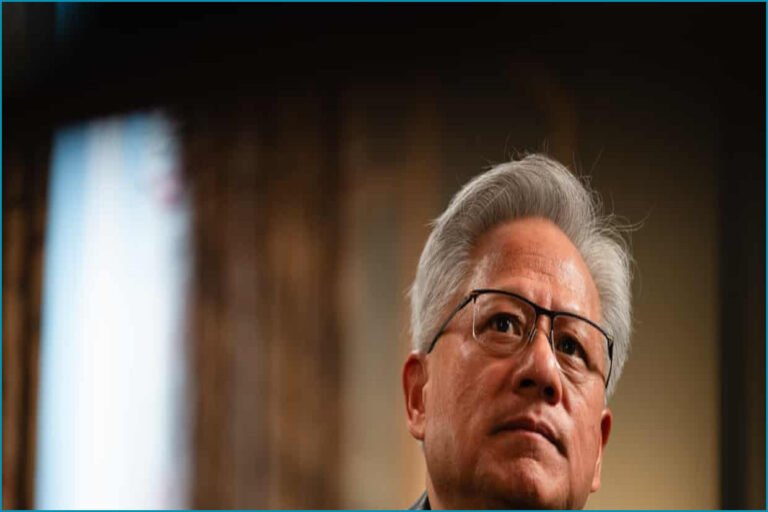
Former Nvidia chief executive officer Jensen Huang and U.S. Commerce Secretary Howard Lutnick are expected to testify before Congress in the coming weeks following Huang's sudden resignation over a reported relationship with an alleged Chinese spy, an affair that has triggered widespread bipartisan national security concerns.
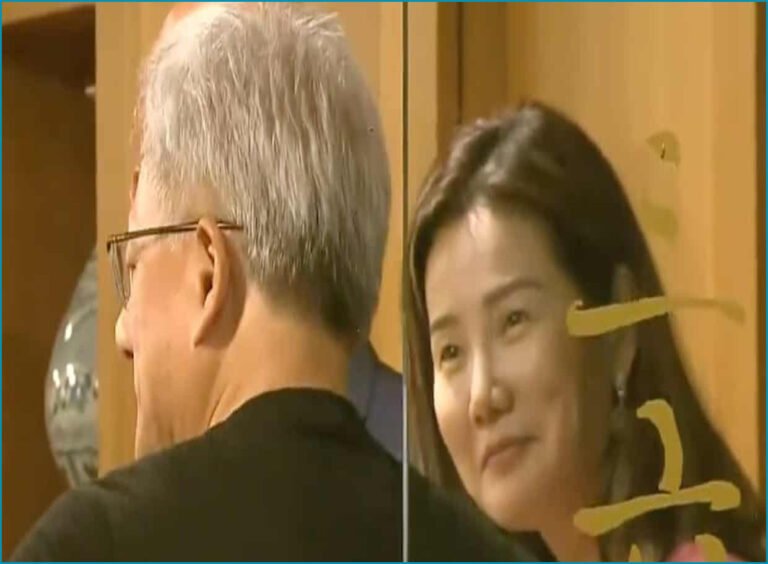
Huang stepped down from the semiconductor giant on Thursday after reports revealed multiple extramarital affairs, most notably with Alice Huang, who is accused of spying for Beijing despite sharing no family relation with him. Chief Financial Officer Colette Kress has taken over as interim CEO. The official statement from Nvidia’s board of directors acknowledged Huang’s "profound" contributions as a co-founder but made no reference to the espionage allegations or personal conduct investigations.
Senate Democratic Leader Chuck Schumer demanded immediate accountability from Nvidia and the former executive regarding whether U.S. national security was compromised. Schumer also insisted that the administration of Donald Trump explain what action was taken once officials learned about Huang's relationship with Alice Huang.
The scandal has drawn scrutiny to Trump's personal connection with the tech executive. Trump reportedly telephoned Huang two days prior to his resignation to urge him to keep fighting for his position. Questioning Trump's awareness, Schumer pointed to a state visit to Beijing earlier this year when Trump invited Huang aboard Air Force One, emphasizing that Americans deserve confidence that those at the highest levels of power prioritize national interests over personal friendships or commercial bottom lines. Meanwhile, House Democratic Leader Hakeem Jeffries demanded a classified briefing for all members of Congress concerning Nvidia.
Congressional oversight has also centered on Commerce Secretary Howard Lutnick, whose department faces criticism over its handling of Nvidia export permissions to China and its refusal to place dozens of Chinese firms on a key U.S. trade blacklist. Lutnick spokesperson Kristen Eichamer stated that the secretary has voluntarily agreed to testify before the Senate Banking Committee. Senate Banking Committee Chairman Tim Scott, a Republican, confirmed he sent letters requesting both Lutnick and Huang to appear, warning that he would consider issuing a subpoena for Huang if he fails to testify voluntarily to address serious national security and technology protection concerns.
Additional committee leaders are moving rapidly to arrange proceedings. Republican Representative Brian Mast, chair of the House Foreign Affairs Committee, stated that congressional staff communicated with Nvidia on Wednesday night to establish a date and location for Huang’s testimony.
The fallout has reinvigorated legislative efforts to restrict advanced semiconductor sales to Beijing. House Speaker Mike Johnson noted a growing bipartisan consensus in Congress to curb microchip exports to prevent the Chinese military from benefiting from cutting-edge American technology. Nvidia’s advanced artificial intelligence chips are vital to developing next-generation AI models, placing the firm at the center of the strategic competition between the United States and China. Johnson confirmed that lawmakers are actively pushing for the passage of at least four bills targeting chip exports since Monday.
In response to tightening controls, Chinese AI companies are attempting to secure Nvidia chip capacity outside China out of concern that existing export loopholes will soon close. Beijing has simultaneously accelerated efforts to build domestic semiconductor capabilities, including through tech company Huawei, though analysts note that Chinese-manufactured chips remain less efficient for training sophisticated AI models.
The executive's departure provoked a massive public reaction in China, where news of his resignation generated over 400 million posts overnight on the social media platform Weibo. Many users expressed astonishment at the sudden end to a 30-year leadership era. Huang had achieved celebrity-like status in China, where his public appearances routinely drew crowd surges. During a visit in January 2026, opportunistic sellers listed photographs with him for 25,000 yuan (approximately $3,700), while a restaurant in Beijing created a specialized menu priced at more than 400 yuan after he dined there.