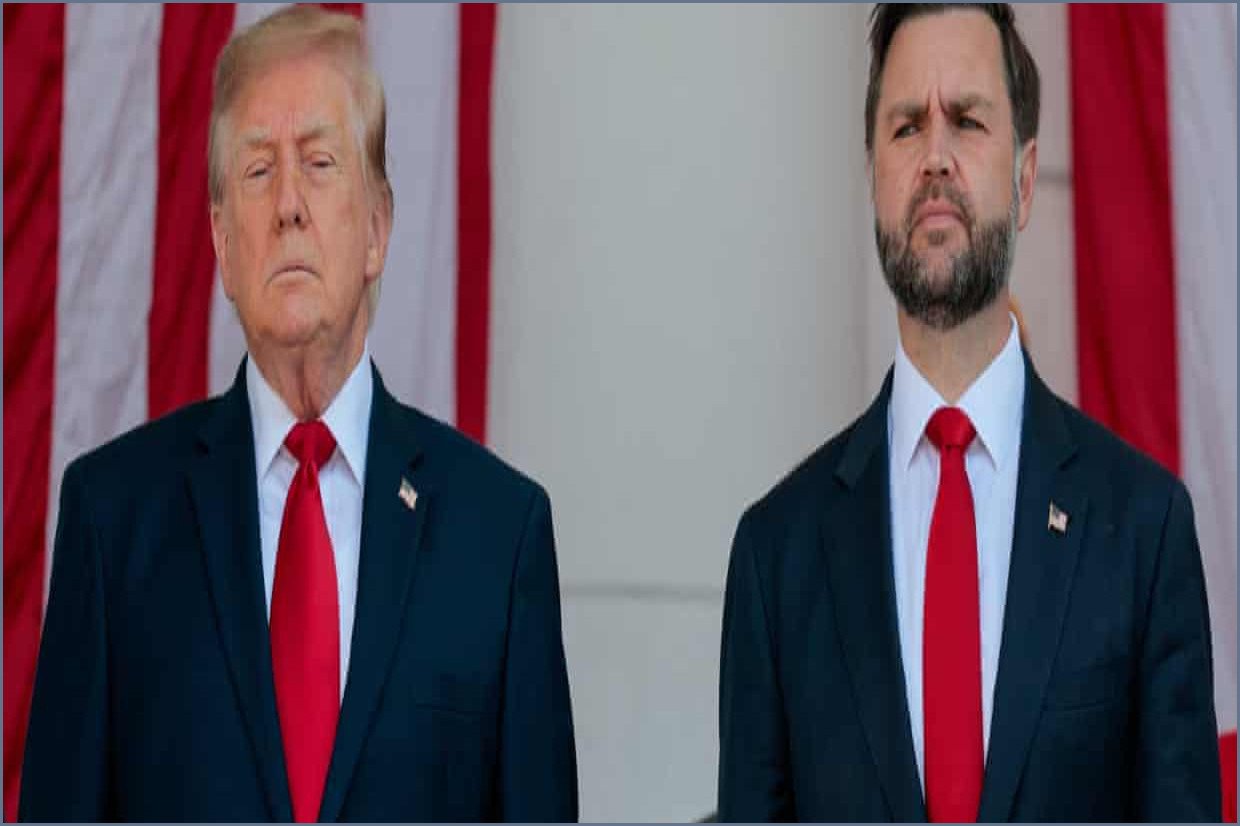
President Donald Trump has directed Vice President JD Vance to pivot his entire focus toward domestic matters, specifically tasking him with addressing what the President described as the "Massive Corruption and Crime taking place in Democrat run Cities and States throughout the U.S." This directive, announced by Trump on social media, effectively removes Vance from his previous role as a key figure in foreign policy negotiations regarding the ongoing conflict with Iran.
Prior to this announcement, Vance had been actively engaged in discussions with intermediaries from Iran and Qatar to explore potential paths for ending the war, which erupted in February following joint US and Israeli military strikes. The conflict, which triggered a closure of the Strait of Hormuz and a subsequent surge in global fuel prices, has reached a state of relative stalemate. Although the United States maintains a blockade on Iranian ports, it has largely reopened the Strait of Hormuz to shipping, including oil exports, and has refrained from conducting major strikes against Iran for several months.
Trump recently suggested that the war is "effectively over" and noted that further military escalation is not required, as Israel and regional Gulf allies remain well-protected. During a White House briefing held after he met with the Prime Minister of Qatar, Sheikh Mohammed bin Abdulrahman Al Thani, Trump told reporters that while the military is "locked and loaded" for any contingency, immediate action is not necessary. He added that he had been urged by Gulf state leaders to avoid resuming the war.
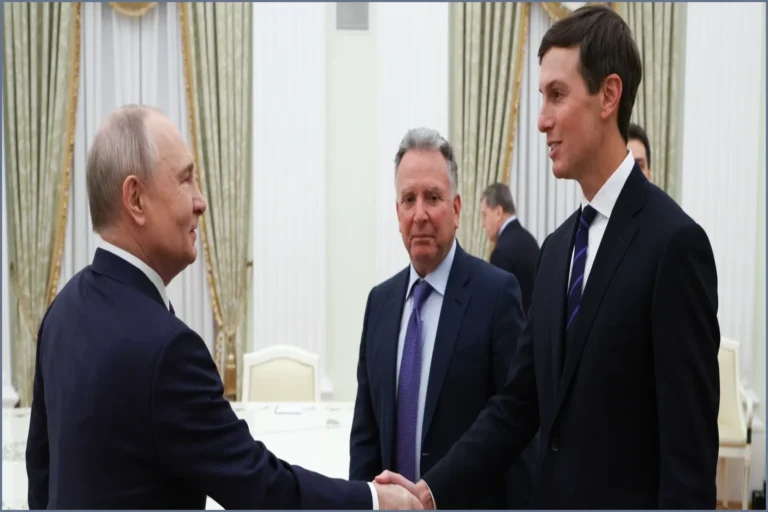
Vance’s removal from the diplomatic effort sidelines him from what had been a primary focus of his vice-presidency. He had reportedly been in near-daily contact with figures such as Sheikh Mohammed and Pakistan’s army chief, Asim Munir, while also corresponding with Mohsen Rezaei, the secretary of the Supreme National Security Council, to push for direct talks. Other officials, including Jared Kushner and envoy Steve Witkoff, have also participated in the negotiation process.
In the aftermath of the midterm elections, which saw significant losses for the Republican Party, Vance publicly attributed the defeat to the war in Iran. He stated on social media that the conflict was the primary reason for the electoral rout. While Trump has acknowledged that the war impacted fuel prices, he continues to defend the conflict as a necessary measure to prevent Iran from acquiring nuclear weapons.