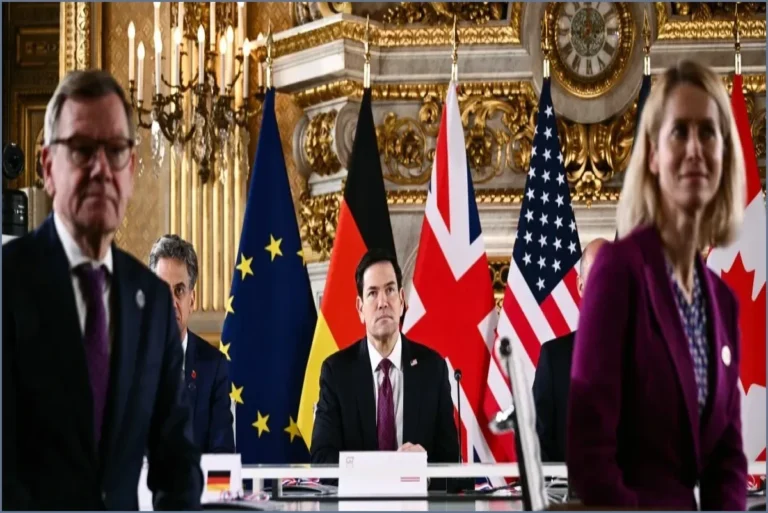
Denmark is preparing to disclose the location of a new "return hub" for migrants expelled from Europe, with an announcement expected as early as next week. Prime Minister Mette Frederiksen confirmed the development on Thursday during a summit of European leaders held in Dublin, stating that officials are nearing the point of establishing such a center outside of European borders.
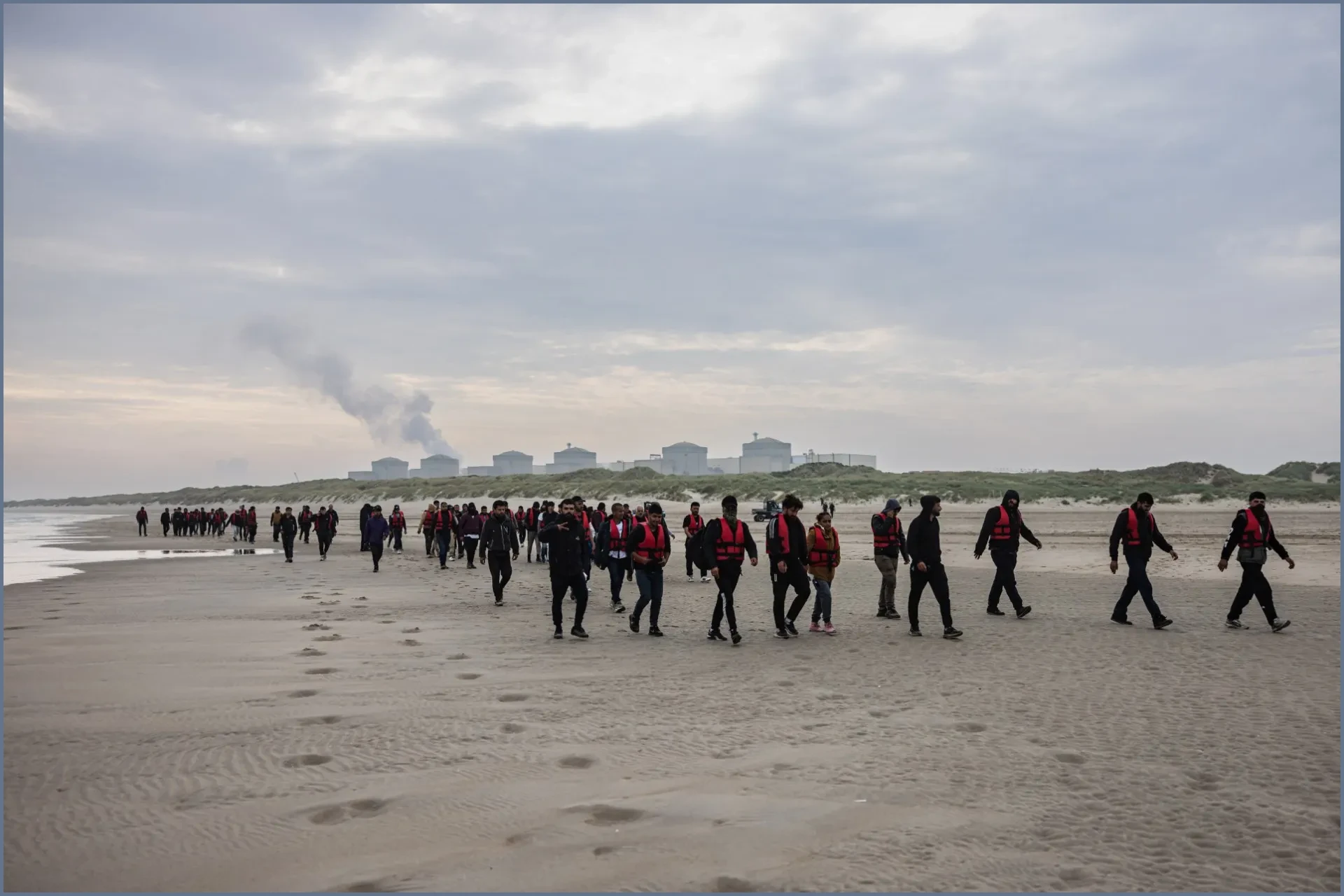
For several months, a coalition of five European Union nations—Germany, Austria, Denmark, Greece, and the Netherlands—has been engaged in negotiations to finalize the creation of these hubs. The initiative is intended to function either as a final destination or a transit facility for migrants slated for expulsion, with proponents arguing that the centers will simplify repatriation processes and serve as a deterrent to irregular migration.
While the proposal was previously considered a fringe concept, it has gained traction as European governments adopt more rigid stances on migration in response to shifting public opinion and electoral gains by far-right parties across the continent. However, the plan faces significant opposition from rights groups, who have questioned the effectiveness of such projects. Critics have characterized these facilities as "legal black holes," expressing concern that migrants could be left in a state of limbo with minimal oversight.
Diplomatic sources and those familiar with the ongoing discussions suggest that Rwanda is currently the primary candidate to host the facility, ahead of other potential locations such as Uganda and Uzbekistan. The Rwandan government confirmed in August that it had entered into preliminary discussions with various European states, though it did not identify them at the time. Several reports indicate that the official announcement regarding the hub could take place on the sidelines of a migration conference scheduled for November 16 and 17 in Vienna.
Until recently a fringe idea, the plan reflects the tougher stance sought by many governments on migration at a time when a souring public opinion towards immigration has fuelled far-right electoral gains across the continent.