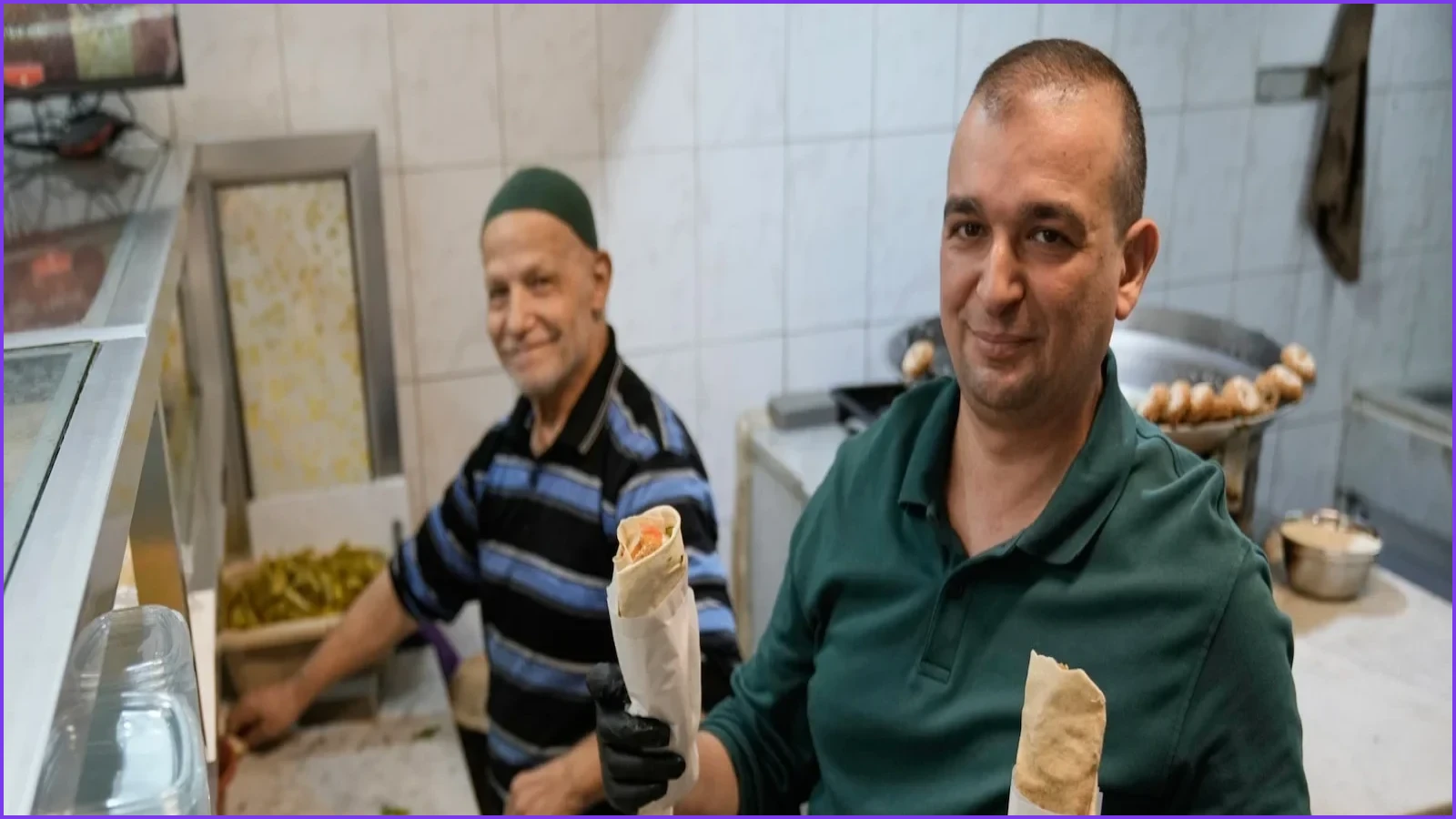
For more than a century, the Tabbara family has been a fixture of Beirut’s culinary landscape, serving their signature falafel to generations of local residents. The business, which predates the formal establishment of the state of Greater Lebanon, has navigated a tumultuous history that includes two world wars and numerous regional conflicts. Despite the nation's ongoing economic meltdown since 2019, which has been driven by decades of corruption and mismanagement, the family remains committed to their trade.
The family business traces its roots back to 1914, when Kamel Tabbara opened the first shop in the Bab Idriss district of central Beirut while the city was still part of the Ottoman Empire. Following Kamel, the business was managed by his son, Ahmad. Since 1950, it has been primarily operated by Kamel’s grandson, 82-year-old Mohammed Tabbara.
The family relocated the shop from central Beirut around 1950, and the current storefront has occupied its location on a narrow street in the Hamra district since 1979. This busy neighborhood, known for its concentration of cafes, clothing shops, and two major universities, has become the permanent home for their craft.
Mohammed Tabbara, who began working alongside his father at the age of 6, remains a constant presence at the counter. He estimates he has lived through 40 wars, including two civil wars, the 1982 Israeli invasion of Lebanon, various conflicts involving the Syrian army, and multiple wars between Israel and Hezbollah.
Throughout these decades, he has maintained a personal connection with his clientele, many of whom he knows by name. "I have clients spread all over the world," Mohammed said. "They all come to eat falafel because they know the flavor and the taste."
The shop is currently preparing for a fourth generation to take over operations. Ziad Tabbara, Mohammed’s 40-year-old son and a former accountant, has worked full-time in the shop for the past six years. He emphasizes the importance of the family's legacy, noting, "This is a flavor that made history and heritage passed down through generations." While Ziad learned the secret recipe from his father, the lack of a fifth generation remains a point of tension for Mohammed, who hopes to see his son eventually have children of his own.
The falafel, priced at $3 for a sandwich, consists of small, doughnut-shaped patties made from Australian fava beans. These are soaked overnight, ground, and mixed with salt and spices, including coriander. Mohammed claims to have been the first in Lebanon to introduce a falafel patty with a hole in the center, which he believes ensures the interior is well-cooked while maintaining a crunchy exterior. He avoids chickpeas, arguing they are heavier and harder to digest than fava beans.
The sandwich is served in flat Lebanese bread with pickled cucumber, tomatoes, parsley, tahini sauce, and a homemade dark red-hot pepper paste. The family places a high premium on cleanliness, washing vegetables with vinegar and salt and changing their cooking oil daily. Longtime customer Jean Matta, 60, who has been visiting the shop since 1992, describes the product as "crunchy, tasty and clean."
Beirut is known throughout the Middle East for its cuisine, from fine restaurants to street food.
Mohammed Tabbara's shop is decorated with two photos of him: A black-and-white one taken in 1966 and another taken two years ago in which he wears his trademark skull cap.