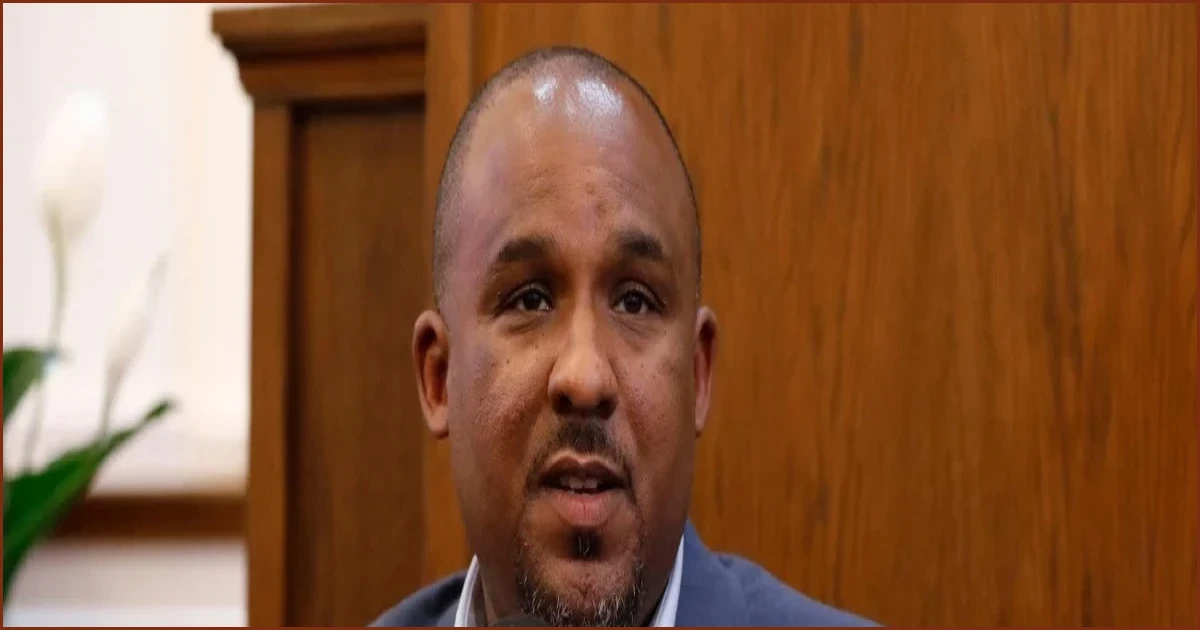
Colom, 43, is a district attorney and a seventh-generation Mississippian. Throughout his campaign, he focused on healthcare and cost-of-living concerns, while arguing that Hyde-Smith had failed to adequately serve the state. His campaign received high-profile support from surrogates including former President Bill Clinton and former Vice President Kamala Harris, both of whom appeared on the campaign trail with him in the weeks leading up to Election Day.
Hyde-Smith, 67, had held her Senate seat since 2018 and holds the distinction of being the first woman elected to represent Mississippi in Congress. The race, situated in a reliably red state, became unexpectedly close during the final weeks of the campaign. National Democrats began investing in advertising in the state, and the Cook Political Report shifted its rating for the contest from solidly Republican to leaning Republican. Analysts noted that broader political challenges, such as affordability issues and an unpopular war in Iran, influenced even deeply conservative states.
The margin remained tight immediately following Election Day, with only a few dozen votes separating the candidates when approximately 96% of the vote had been counted. Colom's advantage widened in the subsequent days. The result is notable given that President Trump carried Mississippi by 20 points in 2024, and the state had not elected a Democrat to the Senate since 1982. This outcome reflects a broader political environment that allowed Democrats to compete for seats previously considered out of reach.
With this win, Democrats continue to expand their majority. In January, the party will control at least 55 Senate seats compared to 44 for Republicans, with the final results in Alaska still pending.
With the projected victory, Democrats add yet another seat to their majority, marking their eighth flip after the party won seats in North Carolina, South Carolina, Texas, Ohio, Iowa, Kansas and Maine.