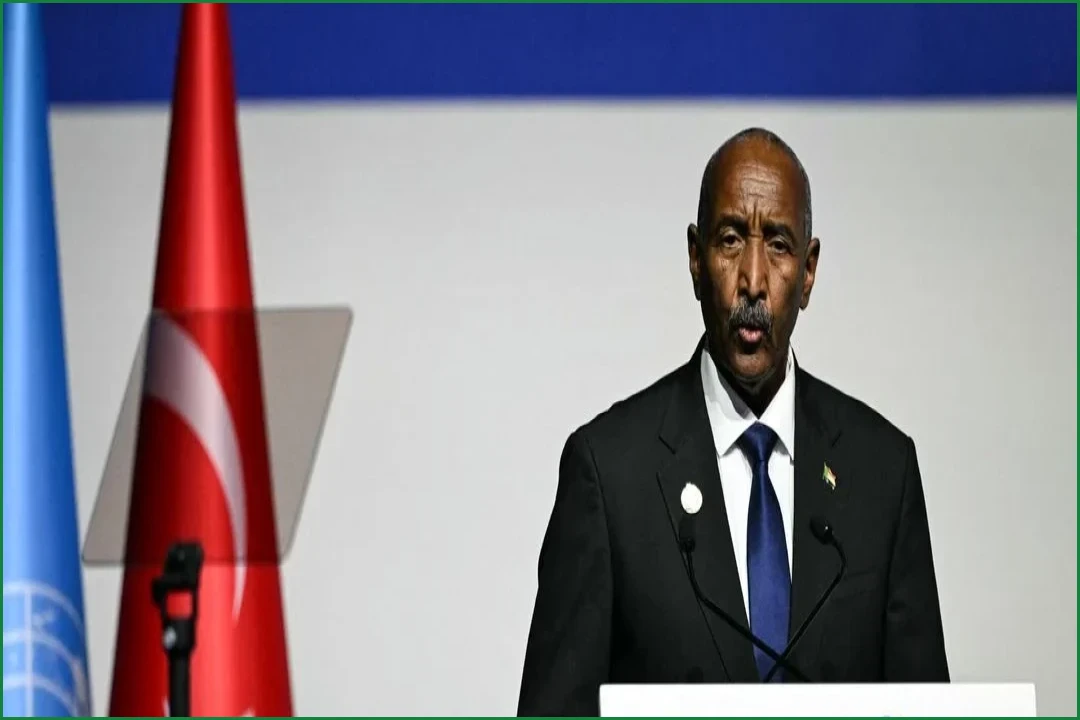
Abdel Fattah al Burhan, Chairman of Sudan’s Transitional Sovereignty Council, has formally demanded that climate finance for developing nations be made more equitable, rapid, and accessible. Speaking on Wednesday during the opening of the high-level segment for heads of state and government at the COP31 UN climate conference in Antalya, Türkiye, al Burhan insisted that global funding decisions must remain entirely free from political influence.
The Sudanese leader urged developed nations to intensify their efforts by doubling their financial support for climate adaptation. He emphasized that such funding should be utilized as a strategic tool to promote peace, security, justice, and overall development. Al Burhan highlighted that Sudan is currently grappling with severe environmental threats, including desertification, drought, floods, land degradation, and critical water shortages. These conditions have led to a marked decline in livestock and crop production, which he noted is directly undermining the food security and livelihoods of the Sudanese people.
Addressing the broader context of his nation's vulnerability, al Burhan explained that the ongoing conflict between the Sudanese Armed Forces and the paramilitary Rapid Support Forces, which erupted in April 2023, has significantly worsened these environmental challenges. According to the leader, the war has severely damaged public services, infrastructure, and institutions, while simultaneously eroding the capacity of local communities to manage climate-related risks. The United Nations has reported that this conflict has resulted in the displacement of millions of people and has severely restricted access to essential healthcare, safe water, and shelter across various parts of Sudan.
In his address, al Burhan called for sustained international cooperation rooted in the principle of common but differentiated responsibilities and respective capabilities. He urged the global community to consider the specific priorities and circumstances of developing nations, with a particular focus on those classified as least developed or those currently suffering from the impacts of active conflict.