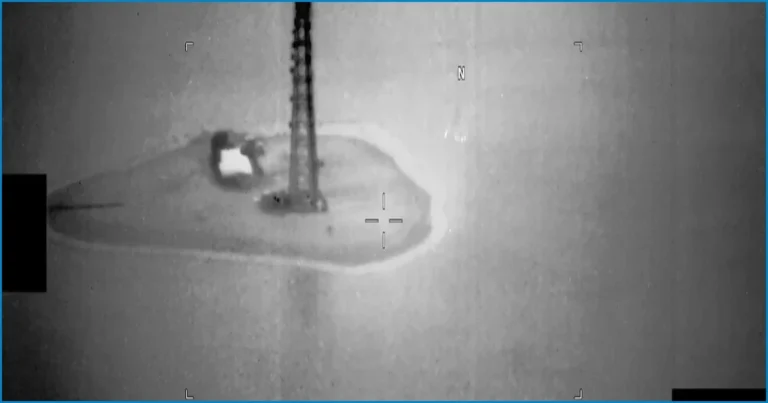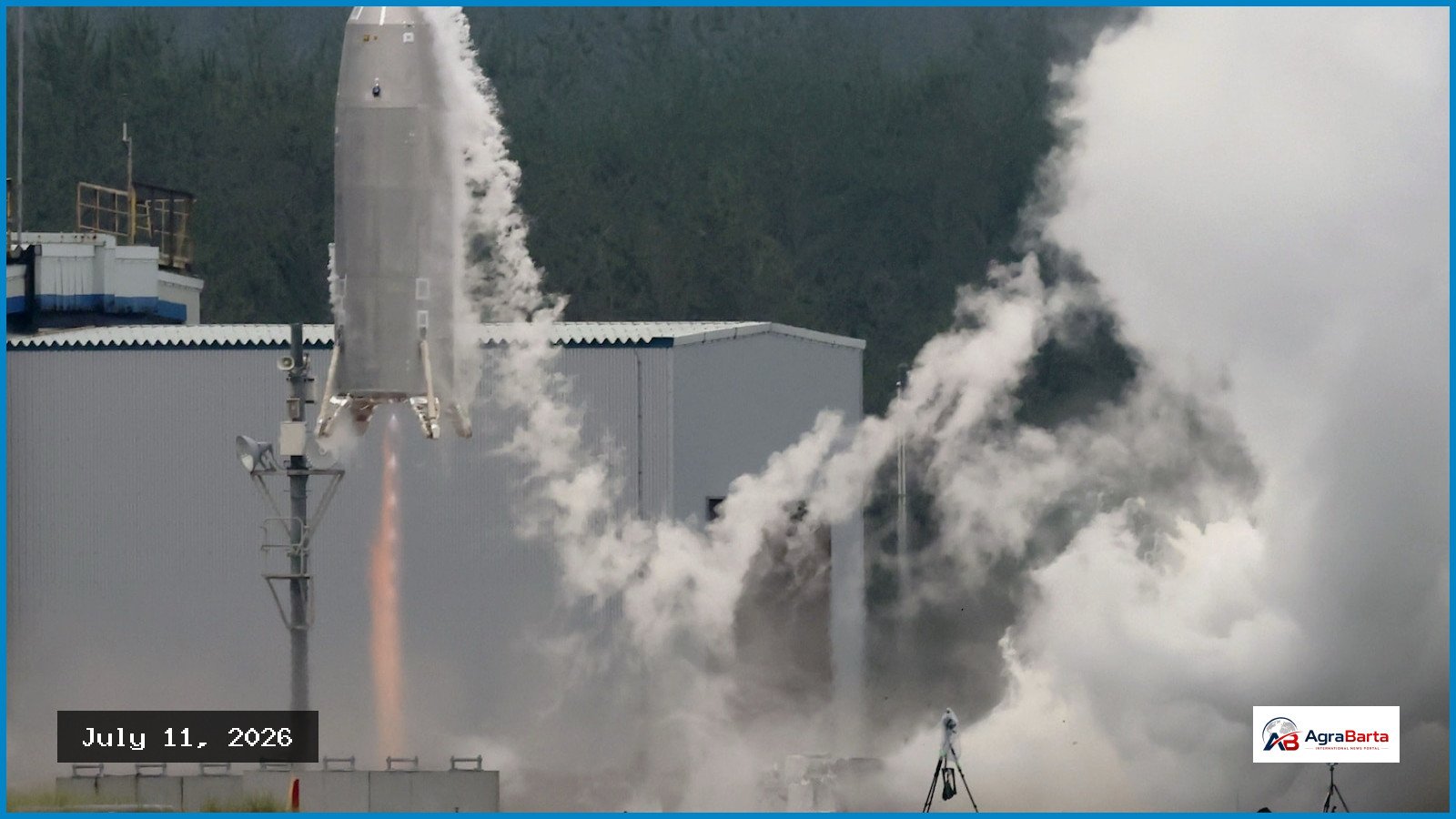
Japan reached a new milestone in its space program on Saturday, successfully conducting the first test flight of an experimental reusable rocket. The test, carried out by the Japan Aerospace Exploration Agency (JAXA) at the Noshiro Testing Center in northeastern Japan, saw the RV-X rocket lift off, hover, and perform a horizontal maneuver before landing safely. The entire flight lasted less than 5.9 seconds and was livestreamed by the NVS, a group of space enthusiasts. The vehicle reached a peak altitude of 23.9 meters during the 218-second test window.
This development is part of Japan’s broader strategy to lower the costs of delivering payloads into orbit and improve its competitiveness in a global space market currently dominated by Elon Musk’s SpaceX. The Japanese government views the development of stable, commercially viable transport capabilities as essential for both the nation’s space program and its national security. The test flight occurred just one day after Chinese state media reported that China had achieved its own first successful recovery of a first-stage rocket following a launch.
The RV-X is being co-developed by JAXA and Mitsubishi Heavy Industries. The vehicle measures 1.8 meters in diameter and 7.3 meters in length, featuring four shock-absorption landing gear and engines designed for enhanced durability. While Japan’s existing H3 series is intended to be more cost-effective than the previous H-2A rockets, further innovation is needed to compete globally. JAXA, which is also collaborating with France and Germany on reusable rocket technology, intends to conduct future tests that will push the RV-X to altitudes of approximately 100 meters. The agency is expected to provide a detailed briefing on the Saturday test results online later today.