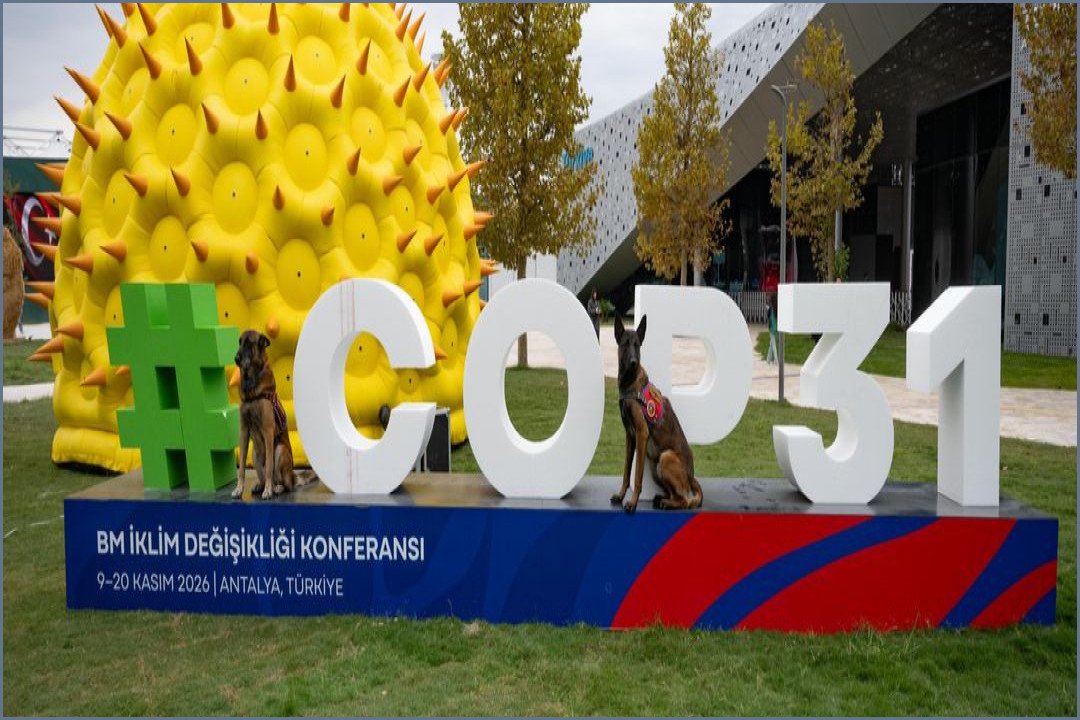
The United Nations Climate Change Conference COP31 entered its second day in Antalya, Türkiye, on Tuesday, shifting its primary focus toward energy security, electrification, and the development of sustainable transport systems. The event, which is scheduled to run from November 9 to 20, features approximately 370 sessions in total. According to the conference programme, 140 of these sessions are specifically dedicated to energy and transportation, covering critical issues such as grid infrastructure, renewable energy investment, and the transition to cleaner mobility.
Within the Blue Zone, which serves as the venue for official negotiations and high-level meetings, ministers are set to discuss the green energy partnership involving Azerbaijan, Kazakhstan, and Uzbekistan. Other sessions in this area are examining the challenges of maintaining reliable energy supplies amid geopolitical risks, the energy transition in Ukraine, and the broader requirements for financing the energy transition and expanding renewable energy infrastructure.
The Green Zone, which opened to visitors on Monday, is hosting a variety of discussions centered on industrial decarbonisation, clean energy investment, and sustainable mobility. Among the scheduled highlights is a session titled “Redefining Sustainable Mobility,” which is being organised by the Turkish electric carmaker Togg. Additional panels are focusing on sustainable aviation fuels, energy storage, and the role of artificial intelligence in developing cleaner transport systems.
The conference officially opened on Monday with discussions centered on food, agriculture, and health, bringing together a diverse group of policymakers, international organisations, businesses, and civil society representatives. COP31 continues to serve as a platform for advancing international negotiations on emissions reductions, climate adaptation, and financing.