The sweeping triumph of Democrats in the US midterm elections has signaled a significant victory for the global renewable energy sector, offering a potential reprieve from years of political hostility. Financial centers worldwide saw the market value of renewable energy developers climb as results confirmed that Republicans had lost control of both the Senate and the House of Representatives.
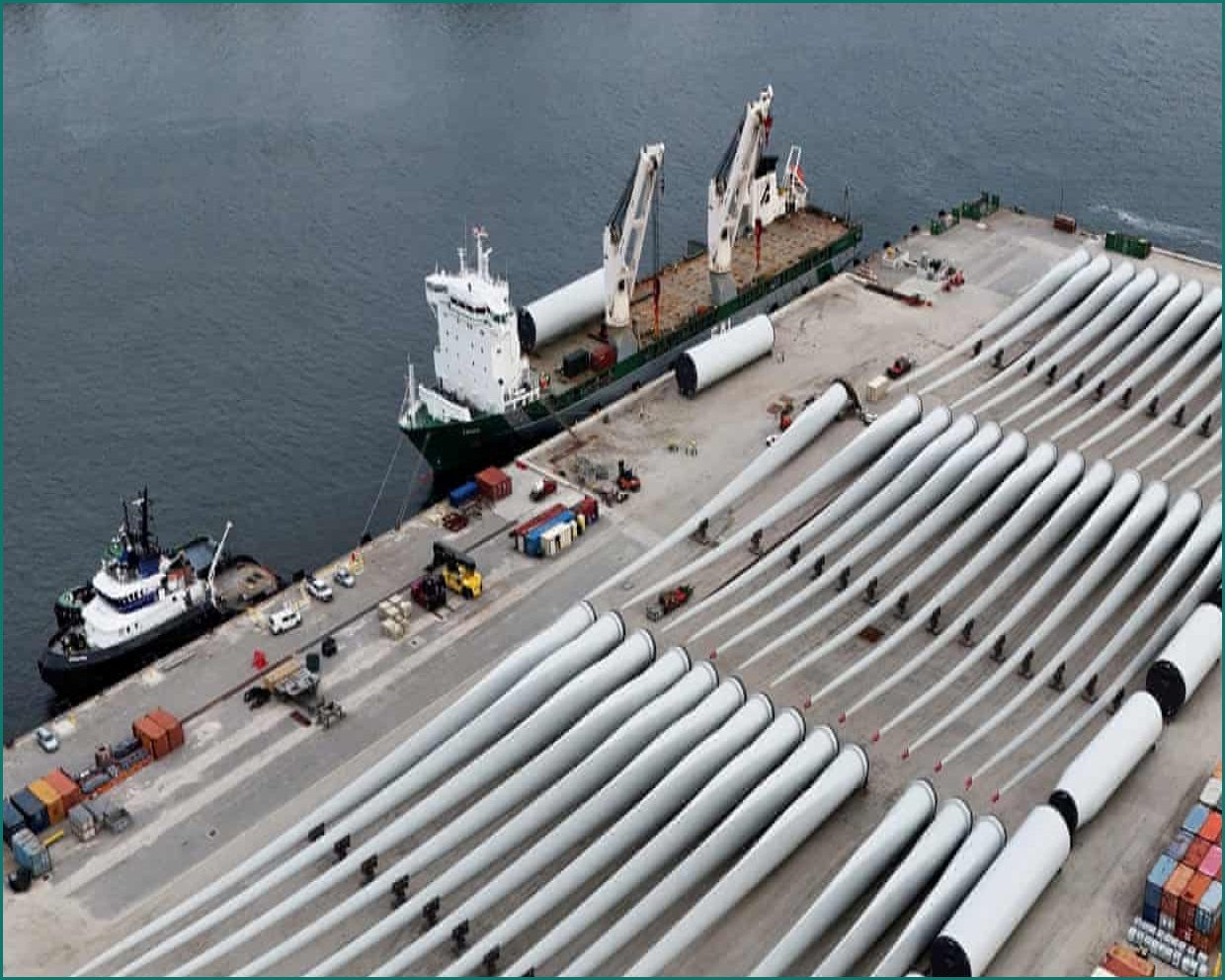
For Ørsted, the world’s largest offshore wind developer, this shift in power could provide relief from the White House’s ongoing opposition to its multibillion-dollar offshore wind investments off the north-east US coast. The company has faced a challenging period, losing more than 70% of its market value since Donald Trump returned to the presidency in 2025 and resumed his criticism of the industry, which he has characterized as “ugly, costly and inefficient.” The White House has previously leveled multiple stop-orders against Ørsted’s Revolution Wind project, while the president has frequently disparaged windfarms, famously stating in 2019, “I never understood wind.”
The broader US renewables sector, which encompasses projects with a combined capacity of 388 gigawatts—enough to power over 83 million homes—and employs more than 400,000 people, has felt the impact of this climate. While no binding national clean energy target exists, 24 states and the District of Columbia maintain plans for 100% clean electricity or net zero carbon emissions between 2035 and 2050. However, concerns persist regarding whether the rapid growth of energy-intensive AI datacenters might threaten these targets by increasing reliance on gas power plants.
Brenda Shaffer, a senior fellow at the Atlantic Council’s Global Energy Center, noted that the election was heavily influenced by energy concerns. “This was unquestioningly an energy election,” she said, adding that voter anxiety over rising energy costs and the impact of datacenters played a key role in the Republican defeat. Analysts suggest that Democratic control of Congress may reduce the risk of further political interference. Claudio Galimberti, chief economist at Rystad Energy, stated that a Democratic-led House could block the repeal of solar and wind tax credits and provide a stronger defense for battery storage credits.
While experts like Morningstar’s Tancrede Fulop caution that it is too early to declare a complete turning point, they acknowledge that the election outcome could lower regulatory risks and stabilize the environment for ongoing projects. Barclays analysts suggest this could also ease investor jitters, potentially making new renewable projects cheaper to finance. Looking ahead, developers of onshore projects may find a more supportive climate in states that recently shifted political alignment, such as Texas, Maine, Kansas, Ohio, Iowa, and North and South Carolina. Jason Grumet, CEO of the American Clean Power Association, emphasized that the election results demonstrate that “affordable, reliable power is a priority,” and that the industry is prepared to meet that demand.
Future brightens for US developers in particular after election when voters rejected Trump’s war on clean energy
“I never understood wind,” he said in 2019. “You know, I know windmills very much. They’re noisy. They kill the birds. You want to see a bird graveyard? Go under a windmill someday. You’ll see more birds than you’ve ever seen in your life.”