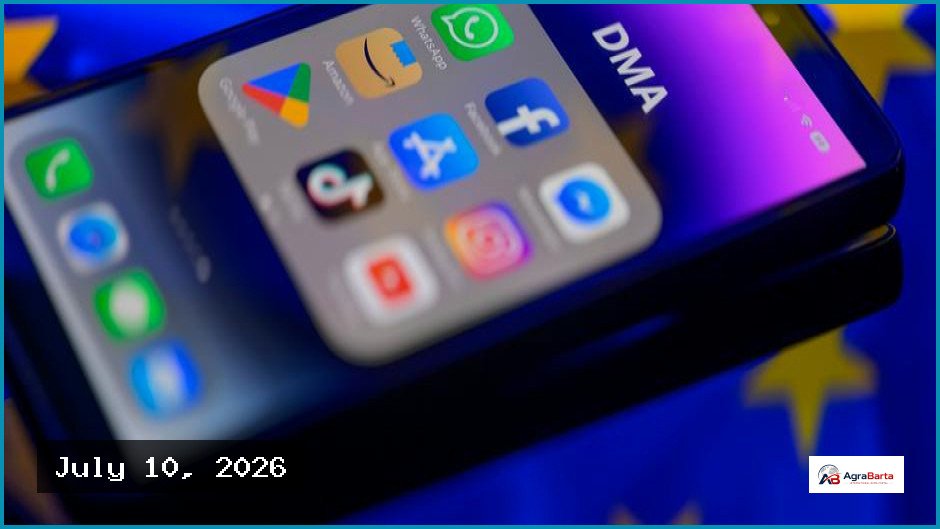
The European Union has officially charged social media giant Meta with breaching the bloc’s tech rules, threatening it with a heavy fine unless it changes Facebook’s and Instagram’s “addictive design.” Following a probe launched in 2024, EU officials warned that the company could face fines reaching up to 6% of its global annual revenue if it fails to address these findings. This move follows a similar warning issued to TikTok by Brussels in February as part of a broader initiative to increase oversight of Big Tech.
Regulators identified specific features—such as infinite scroll, autoplay, and highly personalized recommendations—as primary drivers that encourage users to spend excessive time on the platforms. The commission noted that video-sharing formats like Reels and Stories are particularly problematic, potentially fostering compulsive usage. Furthermore, the EU criticized Meta’s current mitigation strategies, labeling their time-management tools as easily dismissable and describing parental controls as overly complex, requiring significant technical knowledge and effort to implement effectively.
In April, the European Union also accused Meta of failing to sufficiently restrict access for children under 13, which is the minimum age requirement for its platforms in the region. EU tech chief Henna Virkkunen emphasized that the physical and mental health of Europeans must be a priority for these platforms. She stated that the design is considered too addictive and that Meta must implement changes to avoid a non-compliance decision.
Meta has formally rejected the accusations, arguing that the investigation ignores the safety measures the company has already introduced. Spokesperson Ben Walters highlighted the launch of “Teen Accounts,” which include features like automatic parental controls, the ability to block access to Instagram at night, and a 15-minute daily screen time cap. The company stated it intends to continue engaging with EU regulators.
The tech giant now has the opportunity to respond to the charges before a final decision is reached in the coming months. This development follows a recent legal setback for Meta, where it failed to dismiss claims from 29 US state attorneys general regarding the addictive nature of its platforms for children. Meanwhile, Friday’s findings come ahead of a Monday EU session where a panel of experts is due to deliver recommendations on how the bloc can better shield children online from inappropriate content, as the bloc considers potential bans on social media usage for minors similar to recent measures in Australia.
To view this video please enable JavaScript, and consider upgrading to a web browser that supports HTML5 video
Don't let the algorithm hide the news. If you rely on our team for trusted reporting, please take a moment to select us as your Preferred Source on Google by clicking here and hitting the "star" or "preferred" button, so you'll always see our verified news first.