
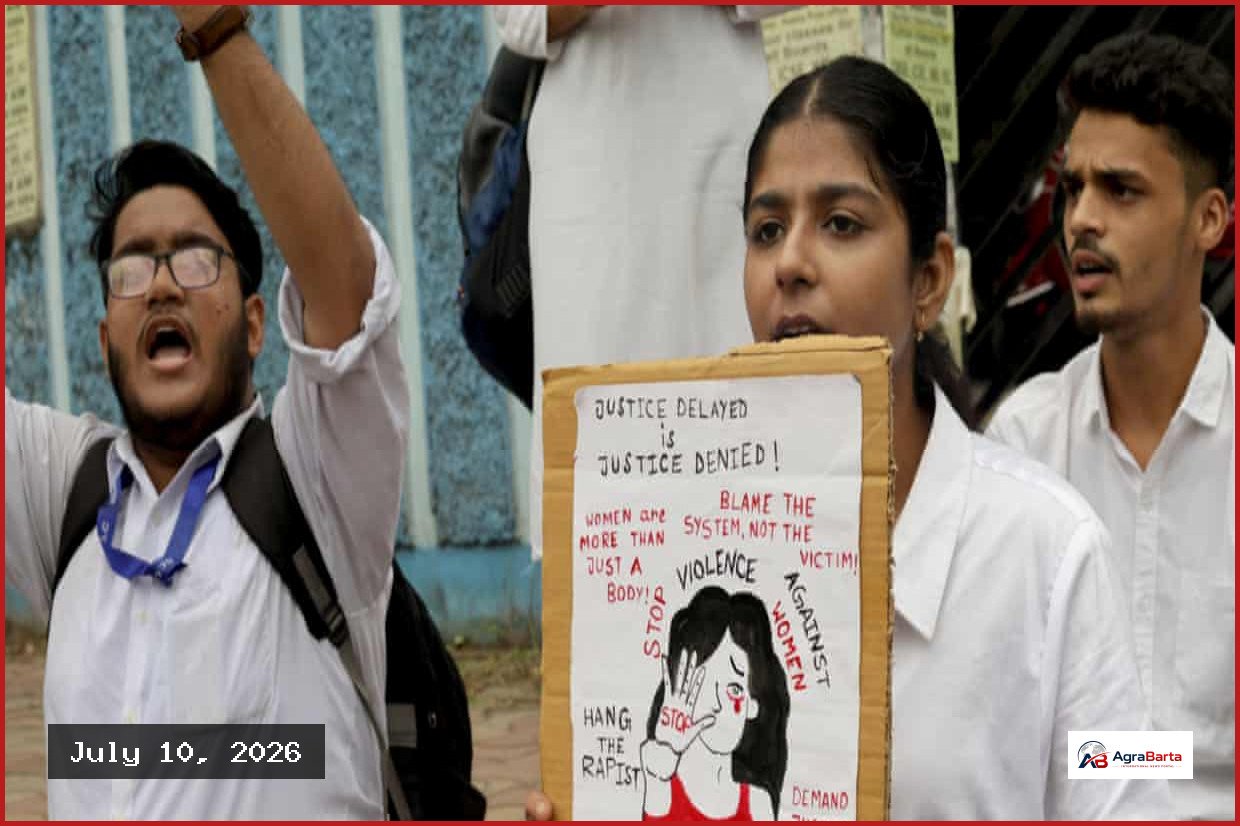
Tensions have surged across the Indian state of West Bengal following the tragic rape and murder of an 11-year-old girl, an event that has triggered widespread protests, a fatal police encounter, and the lynching of an innocent man. The unrest began after the child’s body was recovered from a pond near Kolkata on Sunday. Police said the child had been raped and then stuffed into a sack and thrown into the pond while still alive. According to the autopsy, she had suffered an extreme blow to the head and her body showed bites and scratches.
The discovery of the girl’s body sparked immediate outrage among local residents, who targeted a 26-year-old man they suspected of the crime. However, the government later confirmed that the man killed by the mob was innocent and had no connection to the case. Amid the resulting chaos, demonstrators vandalized local shops and confronted police officers. Family members of the victim have accused authorities of initial negligence, alleging that they were forced to conduct their own search using local CCTV footage after police failed to take the matter seriously. Law enforcement has not issued a response to these claims.
The situation intensified on Tuesday when police shot and killed the primary suspect, Pravash Mondal. Officers claimed the killing occurred during an encounter after Mondal allegedly attempted to seize a police weapon and escape. This incident has drawn criticism from opposition figures, who expressed concern over the rule of law and the unusual nature of such police killings within the state. Meanwhile, more than 30 people have been arrested in connection with the lynching and the broader acts of violence.
The incident has become a flashpoint for political conflict between the ruling Bharatiya Janata Party (BJP) and the opposition Trinamool Congress. Critics have accused the BJP-led state government of presiding over a decline in law and order and failing to protect women. Chief Minister Suvendu Adhikari, who visited the victim’s family, has pledged to address violence against women but has faced accusations of attempting to communalize the tragedy. Adhikari alleged a political conspiracy behind the mob violence, noting the potential for communal tension as the victim was Muslim while the suspects and the lynched man were Hindu. The circumstances of the so-called police “encounter killing” have been questioned by opposition figures, who said it raised concerns over the rule of law. Similar police killings of criminal suspects have been widely documented in other BJP-ruled states but were previously unusual in West Bengal.
Public gatherings are currently banned across the state, with paramilitary forces deployed to sensitive areas to manage clashes between political workers. This unrest follows a pattern of heightened focus on women’s safety in West Bengal, which served as a pivotal issue in the state elections held in April following the 2024 rape and murder of a trainee doctor in Kolkata.


