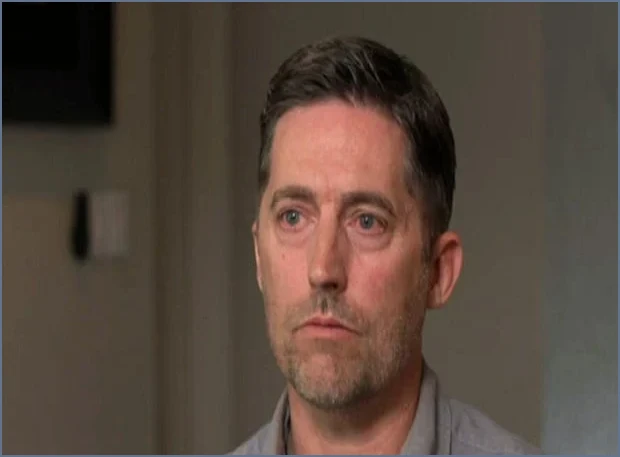
An active Drug Enforcement Administration agent has publicly alleged that the federal drug enforcement agency contributed to the worsening drug crisis by allowing millions of lethal fentanyl pills to reach the streets. The whistleblower allegations come as public officials across New Mexico raise emergency warnings over escalating illicit drug distribution and fatal overdose incidents.
According to active DEA agent Howell, the federal agency tasked with enforcing narcotics laws permitted illicit drug shipments to "walk"—an investigative technique where law enforcement allows drug traffickers to distribute contraband so investigators can follow the distribution chain to build broader cases against higher-level networks. While acknowledging that law enforcement agencies have historically permitted other illicit substances onto the street during investigations, Howell emphasized that agents were explicitly instructed not to use this method with fentanyl due to its extreme lethality. "We at the DEA have let drugs hit the street, yes. The difference was we were told not to with fentanyl," Howell stated.
Describing a specific 2023 tracking operation in Albuquerque, Howell recalled monitoring a suspect from the air alongside an enforcement team. Surveillance footage obtained by congressional investigators on the House Oversight Committee captured a suspect driving a white SUV and picking up a child. Recognizing the immediate risk, agents made the operational decision to intervene rather than allowing the narcotics to proceed further. Howell noted, "We knew we weren't going to let the drugs … hit the streets or go to the house when we knew the kid was in the car."
Federal agents in a black truck intercepted the vehicle, secured the young child, and detained the suspect. During the subsequent search, officers discovered between 6,000 and 7,000 fentanyl pills alongside a handgun placed in a concealed compartment beneath the seat where the child was seated. "We took his drugs. We took his gun. It was in a little compartment underneath the seat that the child was sitting on," Howell explained.
However, despite taking the deadly narcotics off the street, Howell alleged that the enforcement team faced immediate reprimand from federal prosecutors for disrupting the ongoing operation. "We thought the U.S. Attorney's Office [for the District of New Mexico] would be pleased," Howell said. "Instead, they brought us into their office and chastised us. They were perfectly willing to allow that fentanyl to go to the house with the kid."
Howell's whistleblower complaint was initially disclosed last June by The Associated Press and the Albuquerque Journal. In response to the federal practices, New Mexico Attorney General Raúl Torrez launched a lawsuit against the federal government to halt the tactic of walking fentanyl. Torrez asserted, "There's no escaping the conclusion that New Mexico moving in the wrong direction seems to be directly connected to this practice of walking fentanyl in this community." Regional authorities in the broader Albuquerque area have also declared a state of emergency in response to a surge in emergency calls regarding fentanyl overdoses.
Both the DEA and the Department of Justice declined requests for live interviews. However, the Department of Justice provided a statement confirming that after the whistleblower disclosures surfaced, DEA Administrator Cole immediately requested an independent review by the Department of Justice Office of the Inspector General. "When this whistleblower came forward, DEA Administrator Cole immediately requested an independent investigation by DOJ IG. That investigation remains ongoing, and we cannot comment on the status of ongoing investigations," the DOJ stated, while the DEA noted it will implement any improvements identified. Expressing his motivation for coming forward, Howell added, "Our city is being destroyed by this drug. That's why we're sitting here, and that's what I'm here to tell the people."