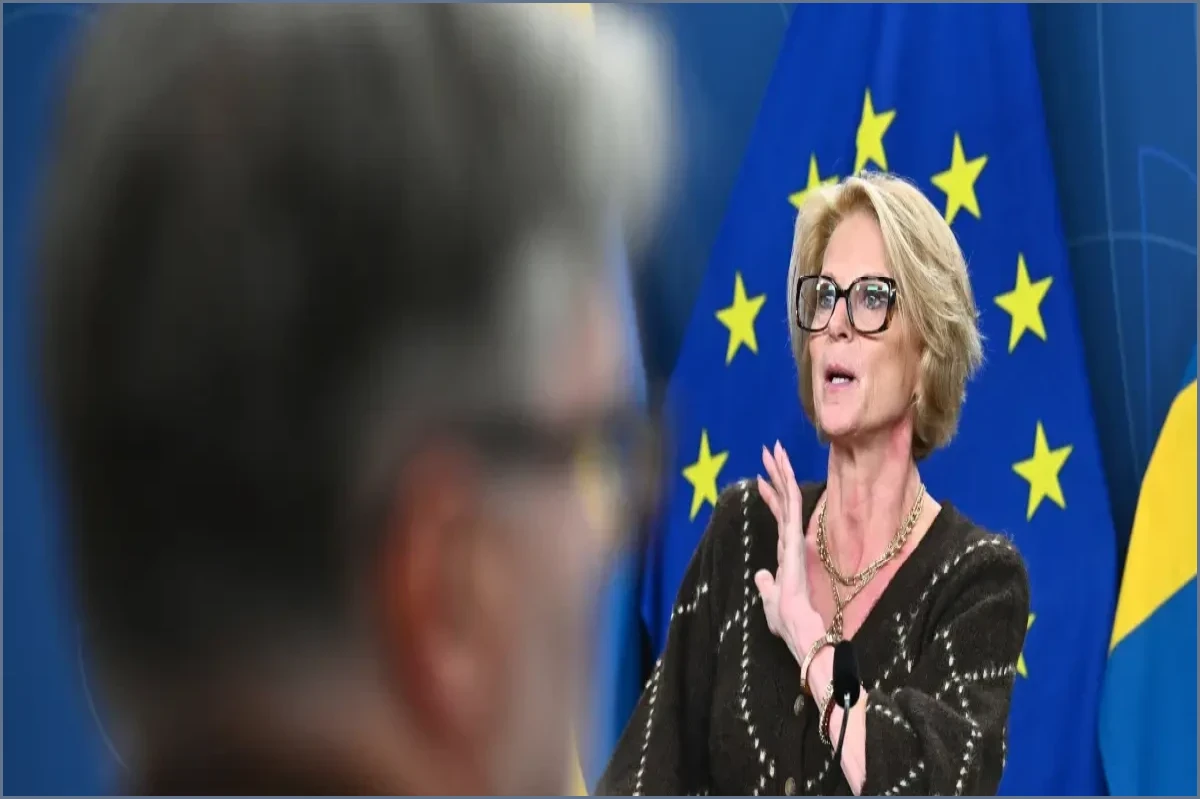
November 2026 brings a series of significant changes to Sweden, ranging from administrative deadlines and transport disruptions to updates in public health and environmental protection. As the country navigates an ongoing period without a confirmed government following the September 13th election, the approach of the annual budget deadline remains a focal point for the Finance Ministry. Sweden has not yet managed to form a government after the September 13th election. The centre-left wing holds a majority in parliament, but the Centre Party refuses to let the Left Party hold cabinet posts, while the Left Party refuses to back a government in which it does not hold cabinet posts. If Sweden does not have a government in place by the budget deadline, or opposition parties who can unite around a common budget, the current caretaker government will have to put forward a transitional budget. Work has already begun at the Finance Ministry to produce this transitional budget, which should build on the previous year's budget without adding any new, huge reforms. Investments from the previous year that were clearly meant to be temporary will not be extended, though politically uncontroversial proposals may be included if the parties can unite around them.
Economic conditions are also expected to shift as the Riksbank prepares for a new interest rate announcement. The policy rate is the central bank's main monetary policy tool, deciding which rates Swedish banks can deposit in and borrow money from the Riksbank, which in turn affects the banks' own interest rates on savings, loans, and mortgages. If bank interest rates are high, it is expensive to borrow money, which means people spend less and inflation drops. The bank is widely expected to raise the policy rate from its current 1.75 percent at its November meeting, as well as early next year. Meanwhile, drivers face impending fuel price increases. Sweden previously lowered taxes on petrol and diesel in two steps by a total of 4 kronor per litre including VAT. The first step of the tax cut expired at the start of October, and the next is set to end on November 30th. This means that the price of fuel is set to rise 3 kronor on December 1st. While neither the Social Democrats nor the outgoing Moderates have ruled out extending the tax break, a caretaker government is generally unable to implement major policies, meaning the price of petrol and diesel is expected to rise after this month.
In the public health sector, November 1st marks the date when chickenpox (vattkoppor) and respiratory syncytial virus (RS-virus) become notifiable diseases. Healthcare providers will be required to report confirmed cases to their regional communicable disease control doctor and to the Public Health Agency. The agency stated in a press release earlier this autumn that the aim is to enhance infectious disease control through closer monitoring and surveillance. It added that this will make it easier to evaluate the impact of introducing chickenpox jabs and catch-up vaccinations into the national childhood immunisation programme, as well as the rollout of protective antibody treatments against severe RSV in infants.
Environmental rules are also undergoing a major overhaul. Effective November 1st, hedgehogs, ricasolia virens (örtlav), raggtaggsvamp, and eels are set to become protected species. At the same time, blue anemones, cowslips, and ivy are being removed from the list, significantly trimming the official count from nearly 300 to just over 230 species. A new species protection framework featuring four tiers is being rolled out: strict protection, enhanced protection, basic protection, and limited protection. Alongside these, two exemptions and a ground for dispensation are being introduced to ease constraints on agriculture and forestry, as well as to accommodate vital public interests such as energy generation and national defence. All Swedish amphibians, reptiles, and orchids will retain their protected status. Overall, 102 species remain from the existing list, 130 are new additions, and 182 previously protected species have been removed.
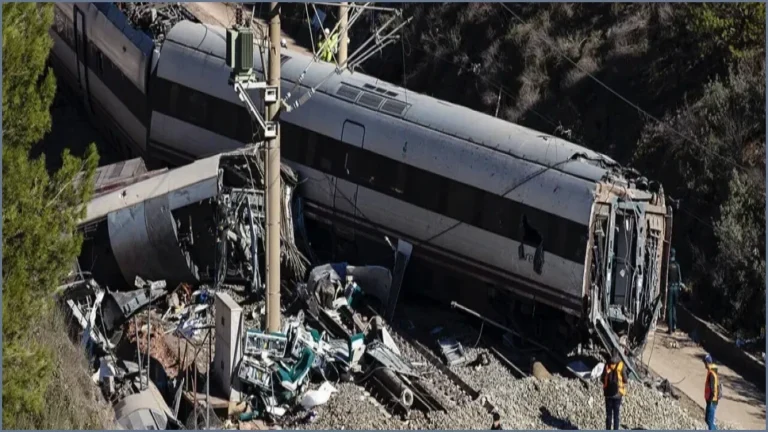
Travellers should prepare for disruptions on the Öresund Bridge, as maintenance will halt train services between Malmö and Copenhagen from 2pm on November 7th until 2pm on November 8th. Replacement buses will operate as follows: Saturday, November 7th, from 2pm-7pm between Malmö C and CPH Airport; from 7pm on Saturday, November 7th, to 6am on Sunday, November 8th between Malmö C and Copenhagen Central Station; and Sunday, November 8th, from 6am-2pm between Hyllie and CPH Airport. Regular buses or regional trains will run as normal between Malmö C and Hyllie on Saturday afternoon. Residents are advised to check local deadlines for discounted public transport tickets. In southern Sweden, Skånetrafiken warns that November 2nd is the last day to buy a 30-day ticket at half price, though you can hold off on activating it until December 2nd. Stockholm's SL and Gothenburg's Västtrafik state that 30-day tickets can be bought at half price until December 2nd.
For those sending holiday mail outside of Europe, deadlines are approaching: November 24th for economy mail, November 25th for letters, and November 27th for parcels. Finally, the month includes notable cultural observations. On November 6th, Swedes celebrate the anniversary of the death of Gustav II Adolf in 1632. Additionally, the Hindu festival of Diwali takes place from November 6th to November 10th, with the key third day of Lakshmi Puja falling on November 8th, featuring celebrations across Sweden.
To be sure that your Christmas presents will reach family back home in time for Christmas, you need to post them by the following dates:
During his reign Sweden briefly became a European superpower, playing a decisive role in the 30 years war.