Serbia is heading to the polls on Sunday, October 25, for snap parliamentary elections that are widely considered one of the most significant political turning points for the country in over a decade. A total of 250 members of the National Assembly are up for election, with more than 6.45 million citizens eligible to cast their ballots. The electoral landscape is crowded, featuring 18 distinct electoral lists and a total of 2,418 candidates. These elections were officially triggered after President Aleksandar Vučić dissolved parliament on September 9, following a formal proposal from the Serbian government.
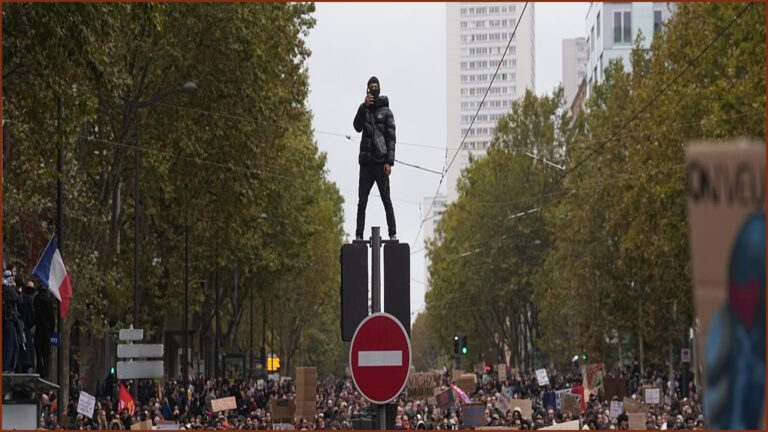
While the constitutional process initiated the vote, the underlying political motivations are rooted in nearly two years of intense social and political polarization. This period of unrest began following a tragic incident at the railway station in Novi Sad on November 1, 2024. Throughout 2025, the country witnessed a wave of mass protests, university blockades, and rallies across various institutions and roads. What began as a student-led movement eventually evolved into the most formidable challenge to the government of Aleksandar Vučić in his 14 years of political dominance. By May 2025, students had formally called for early parliamentary elections, and by 2026, they decided to transition from the streets to the ballot box by participating with their own electoral list.
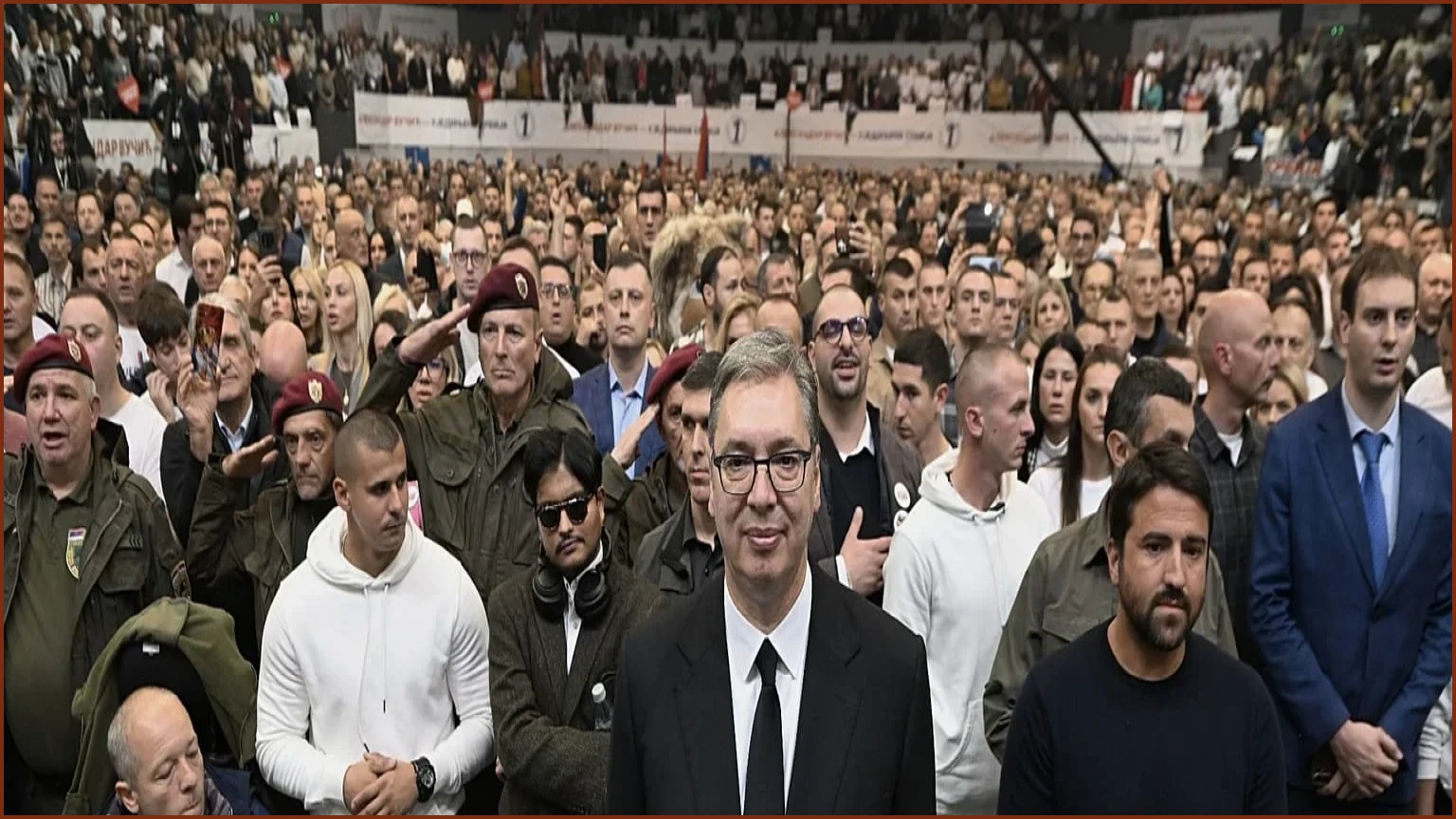
This development has transformed the nature of the contest. What was initially expected to be a standard parliamentary race has effectively become a referendum on Vučić’s political influence and the governing system that has defined Serbia for over a decade. The largest political bloc remains the Serbian Progressive Party (SNS), running under the list “Aleksandar Vučić – United Serbia.” Although he is no longer the president, Vučić remains the central figure of the campaign. In late September, he resigned from the presidency specifically to lead the SNS campaign and seek the position of prime minister—a role he previously held before becoming President of the Republic. This move has turned the election into a direct vote on his political future.
The electoral field also includes the list “Ivica Dačić – Stability Factor,” which unites the Socialist Party of Serbia with smaller political allies. The spectrum is further populated by right-wing and nationalist lists, such as “Authentic Right – Miloš Jovanović – Boldly Serbian,” and the pro-European opposition center, represented by the “European Serbia” list. Additionally, several minority parties, including the Alliance of Vojvodina Hungarians, the SDA of Sandžak, Usama Zukorlić’s list, and the Albanian Coalition, are participating. These smaller groups could prove vital in the event of a close result, potentially acting as kingmakers in the formation of a new government.
The most unique participant is the student-led list, “Students Win.” Unlike traditional political parties, it lacks a conventional leader and was formed through student plenums. Its 250 candidates include a diverse group of professors, doctors, artists, and activists who have largely remained outside of senior political roles. This list represents a concerted effort to convert protest energy into a formal parliamentary force. The central conflict of this election is no longer just a struggle between the government and the opposition, but a fundamental question regarding trust in institutions. For many protesters, the Novi Sad tragedy symbolizes broader systemic issues, including corruption, public procurement, institutional control, and the lack of political accountability.
Conversely, the government characterizes the protests as an attempt to destabilize the nation by installing a movement lacking in political experience. Government officials have frequently claimed that “foreign actors” are behind the student movement, with President Vučić repeatedly alleging that foreign intelligence services are financing a “colour revolution” in Serbia. These two narratives have created a deep divide in the country, with the government emphasizing stability, economic development, and national interests, while the student movement prioritizes the rule of law, anti-corruption efforts, and the independence of institutions.
The political landscape has shifted significantly with the decline of the traditional opposition. In the 2023 elections, the “Serbia Against Violence” coalition secured approximately 24% of the vote and 65 seats, but subsequent internal disputes and fragmentation have weakened their standing. The student movement has effectively absorbed much of the political energy and voter support that previously belonged to these traditional parties. Consequently, the primary political divide is now between the ruling SNS and the Student List, with other parties fighting to clear the 3% electoral threshold and secure potential coalition roles.
The outcome remains difficult to predict, as opinion polls have provided conflicting forecasts and a large number of voters remain undecided. The election is not only a test of the survival of the political model that has dominated Serbia for over a decade but also a test of whether a non-party movement can successfully reshape the country’s future. If the SNS wins, Vučić will likely seek to stabilize the system; if the Student List succeeds, Serbia could enter an entirely new political era. Should the results be close or disputed, there is a significant possibility that the political crisis will persist well beyond the closing of the polls.