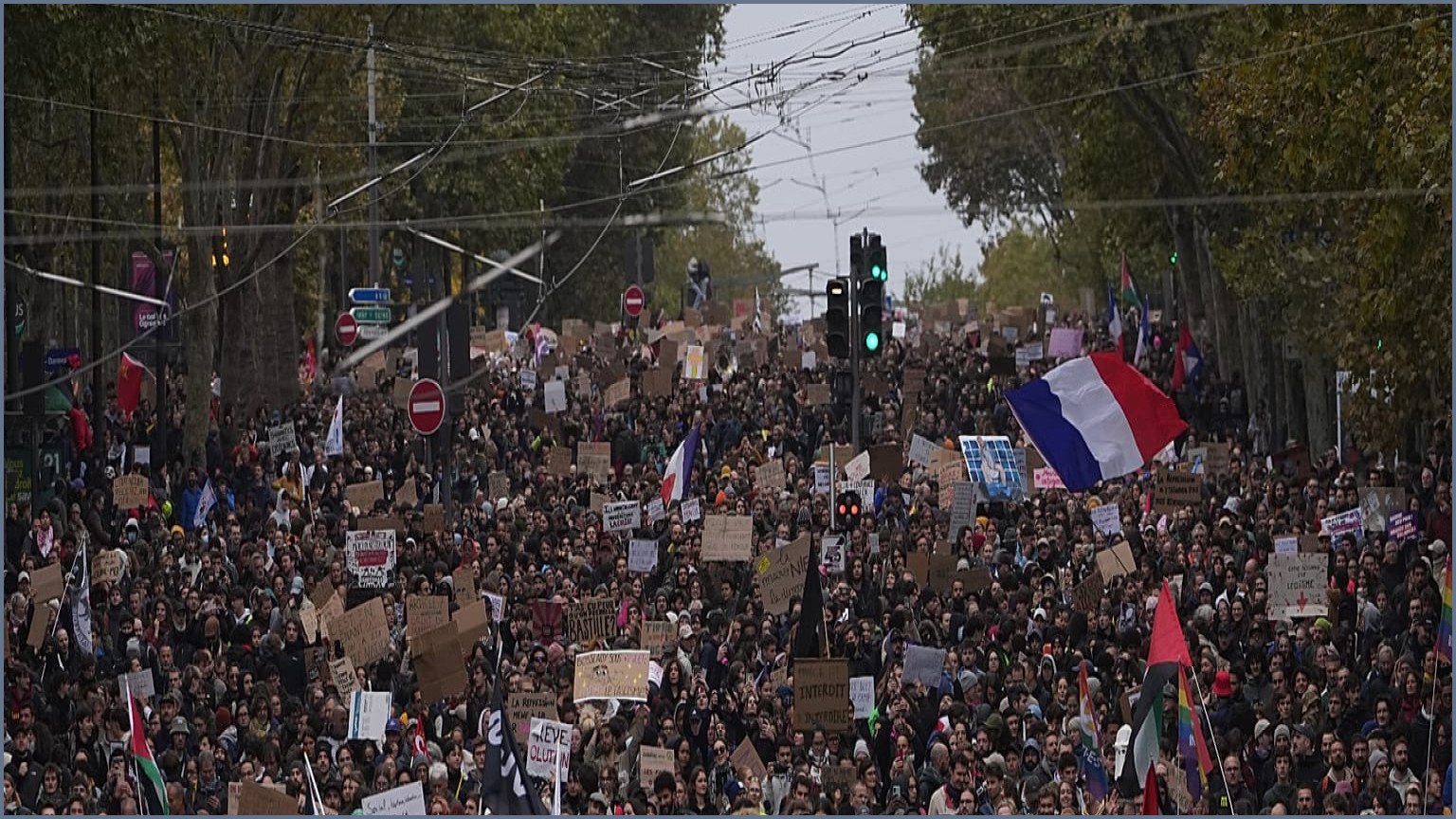
Clashes erupted on Saturday in Paris and several other French cities as citizens took to the streets to protest the high cost of living, rising fuel prices, and insufficient funding for the education sector. These demonstrations followed a series of protests that began last month in high schools, where students had called for better facilities, more teachers, and increased educational investment. The movement has since expanded nationwide to include broader societal grievances.
In response to the unrest, the government of President Emmanuel Macron launched a massive security operation, deploying 70,000 security forces across the country. While the demonstrations were largely peaceful and lacked the scale of the rioting and looting seen the previous week, police still arrested nearly 1,000 people. Interior Minister Laurent Nunez reported an "extremely elevated level of violence" from black-clad "ultra-left" extremists during the events.
Riot squads utilized tear gas against protesters in Paris, as well as in Marseille, Lyon, Bordeaux, Lille, Toulouse, Montpellier, and Nantes. Two individuals sustained serious injuries, according to Nunez, including one man in Toulouse who reportedly lost fingers, and another person in Clermont-Ferrand. The Interior Minister noted that the outcome on Saturday was more "positive" than the previous week, citing more rapid police intervention, pre-demonstration checks, and enhanced protection for businesses.
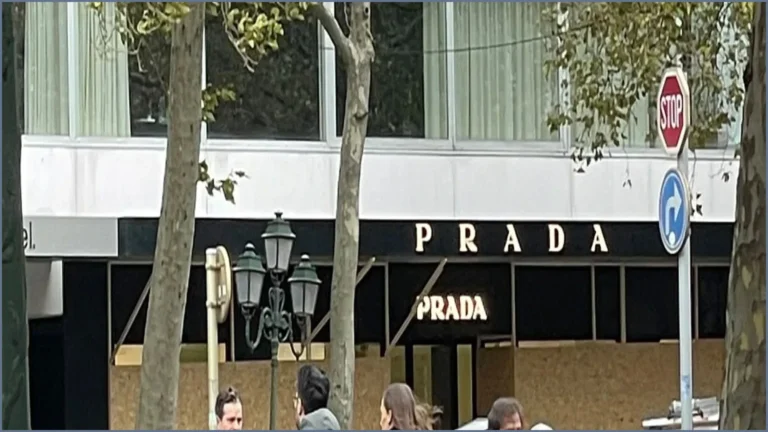
This latest unrest follows a week of rioting that saw public buildings vandalized, hundreds of shops looted, and 2,700 arrests. The current environment has cast a shadow over France as the nation approaches elections in six months to choose a successor to President Macron after his 10-year term. Despite the government's efforts, many citizens expressed widespread anger, viewing the heavy-handed security measures as repressive and an assault on the fundamental right to protest.
Tensions were further exacerbated by a last-minute decision to change the route of a planned Paris march. Originally authorized to travel between Bastille and Nation squares, the route was changed on Friday by police to run between Porte d’Italie and Porte de Vincennes on the city's southeastern edge. Left-wing politicians and unions criticized the move, arguing it would scatter demonstrators and incite further chaos.
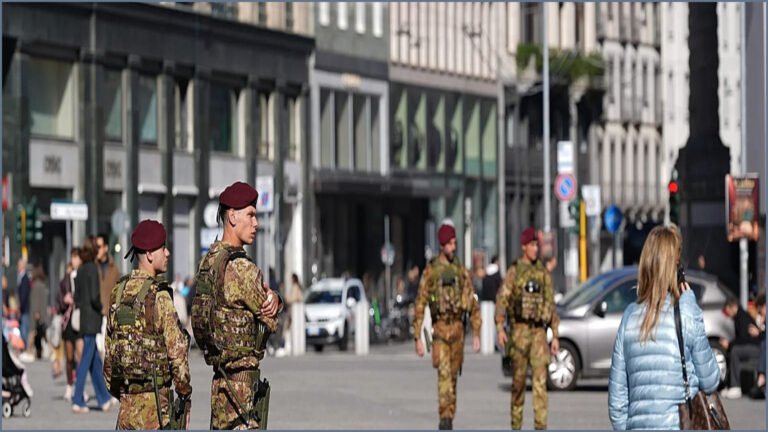
Separately, to the south of Paris, authorities monitored the hard-right National Rally party congress in Orléans, where Marine Le Pen and Jordan Bardella spoke to supporters amid counter-protests. Police reported seizing various items intended for violent use in several cities, including Orléans, Pau, Rennes, Marseille, and Tours. While France faced these challenges, similar protests occurred in Belgium, Italy, Spain, and Portugal, reflecting shared concerns over inflation and education.
Those protests then went nationwide before expanding to include wider society.