Spain has implemented a significant change in its maritime patrol protocols regarding the North African enclave of Ceuta. While the legal principle of "innocent passage" under the United Nations Convention on the Law of the Sea permits foreign vessels to transit through a coastal state's territorial waters, Spain is now adopting a more proactive stance to enforce its sovereignty. This legal framework was previously invoked by Morocco during incidents such as the one on 30 July and during the mass migrant influx at the Ceuta border.
Until the final two days of July, Spanish authorities primarily relied on the Maritime Action Operations and Surveillance Centre (COVAM) to monitor vessel movements without direct intervention. A military source cited by the Spanish daily El Mundo confirmed that this strategy has evolved. The military is now more alert, with the source stating, "We no longer wait for them to enter before we act." This reinforced monitoring now involves the active deployment of patrol vessels that sail out to meet and shadow Moroccan ships.
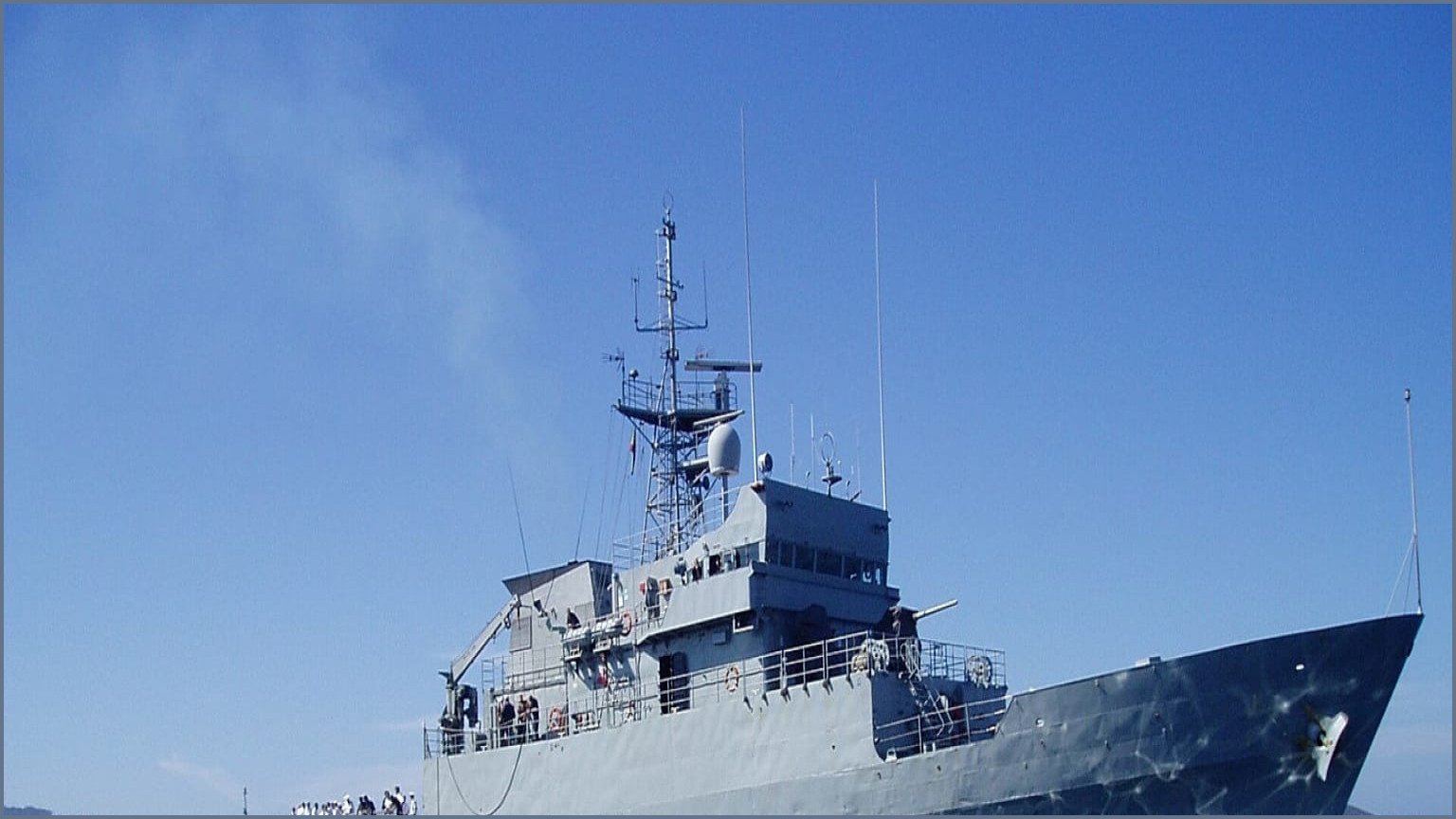
The Spanish Navy has deployed the patrol vessel Atalaya to Ceuta to protect national maritime interests, detect unusual activity, and enforce international law. The Atalaya, based in Ferrol, carries a crew of 48 and is equipped with four machine guns and one cannon. Additionally, the patrol vessel Isla de León has been deployed to the region. While it currently focuses on Melilla due to a Moroccan offensive, it also operates in the waters off Ceuta and Perejil Island. The Isla de León carries a crew of 10 and is armed with a Browning machine gun.
This strategic shift follows reports from El País on 12 October, which detailed that the warship Mohammed VI entered Spanish waters during the land border breach at the end of July. In response, the Defence Ministry dispatched two additional patrol vessels from Rota, and the Chief of the Defence Staff contacted Morocco to demand an end to the incursion. According to the Interior Ministry, the Civil Guard, and the Navy, activity by ships flying the Moroccan flag has since decreased, with no instances of innocent passage reported during or after the recent royal visit.
Spanish authorities are now strictly distinguishing between the internationally recognized right of innocent passage and conduct that could threaten the security or sovereignty of Ceuta. By utilizing patrol vessels to intercept and shadow foreign ships, Spain is employing these deployments as a primary tool for both surveillance and deterrence.