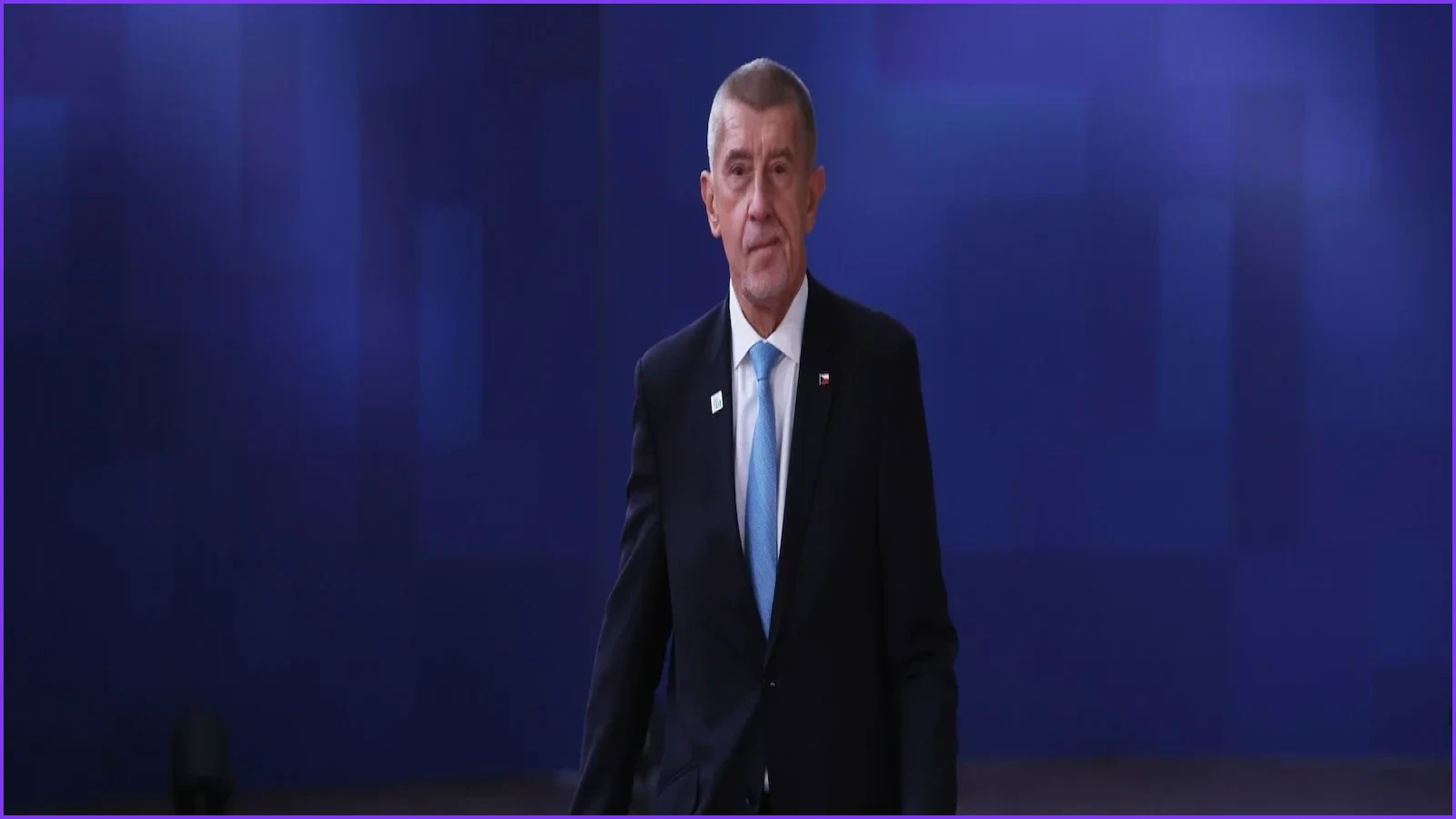
Pro-Western opposition parties achieved a significant victory in the Czech Republic’s recent election to fill one-third of the seats in the Senate, the upper house of Parliament. The results, confirmed by the Statistics Office following the two-day ballot, represent a major setback for the ruling coalition led by Prime Minister Andrej Babiš.
A total of 27 seats out of the 81-seat Senate were contested in the two-round election. Candidates directly linked to the opposition parties secured 22 of those seats, ensuring the opposition retains its control of the upper house. In contrast, the centrist ANO (or YES) movement, led by the populist billionaire Babiš, failed to win a single seat. Previously, ANO held one seat in the Senate, but that seat was lost in this election.
The election results also left Babiš's coalition partners empty-handed. This vote served as the first electoral test for Babiš since he returned to power following a decisive victory in the parliamentary elections of October 2025. Babiš currently leads a governing coalition alongside two smaller political groups, whose shared agenda includes rejecting certain key European Union policies and reducing support for Ukraine.
While the legislative process in the Czech Republic is primarily dominated by the lower house of Parliament, the Senate maintains a vital role in the government. The upper house is responsible for approving Constitutional Court judges and plays an essential part in the passage of constitutional amendments.