Books written by Irish author Sally Rooney will no longer be sold in the United Kingdom across any format, following her decision to donate her British earnings to Palestinian Action, an activist group banned under British counter-terrorism legislation.
Her publisher, Faber, confirmed the complete withdrawal of her titles from the British market, stating that national laws prevent the firm from transferring earnings to the 35-year-old novelist. Faber explained that selling a writer's work while being unable to pass on royalty payments created an unconscionable situation, prompting the joint decision made in full agreement with Rooney to cease supplying her works nationwide.
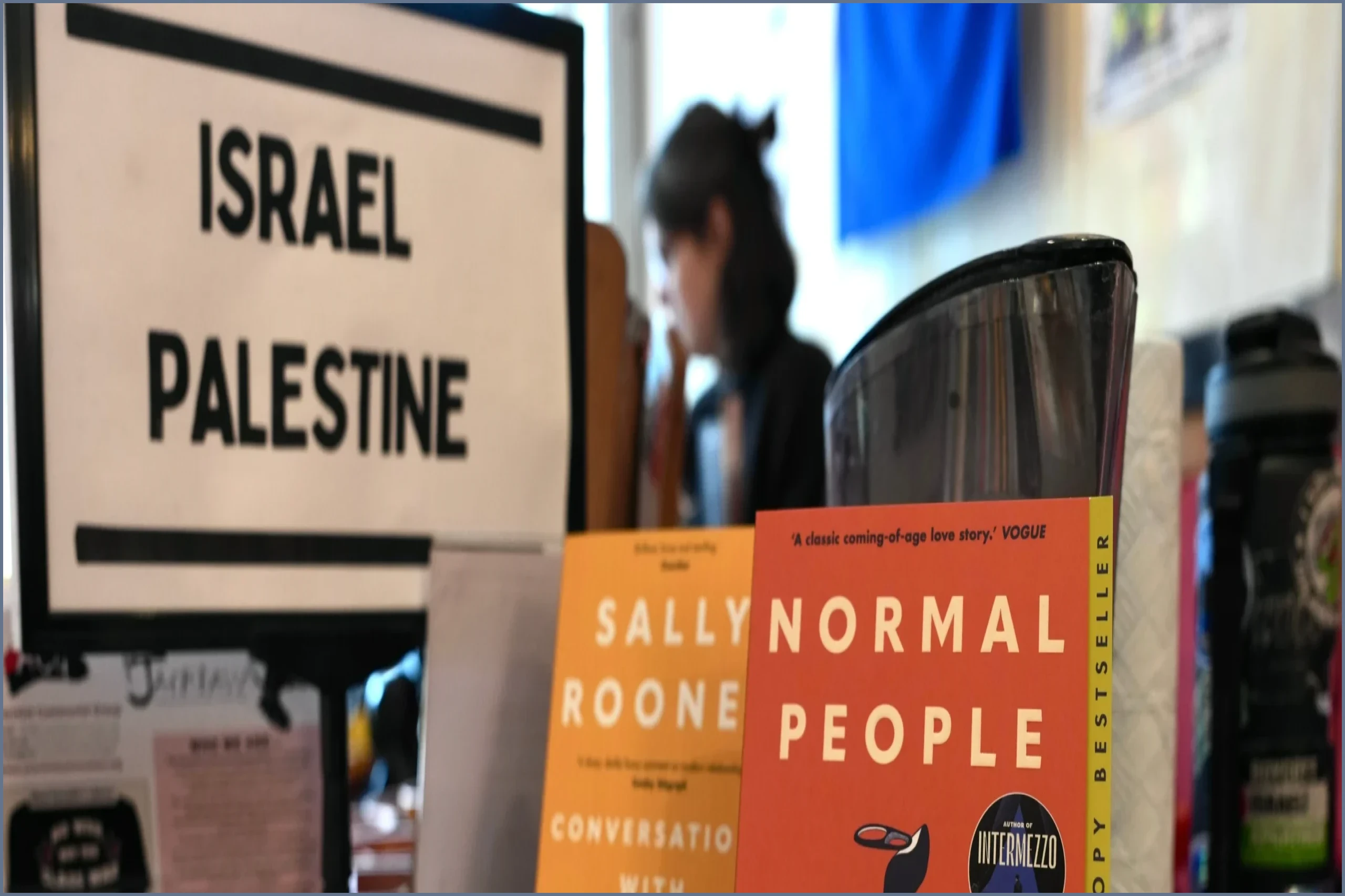
Widely described as "the voice of a generation" for her best-selling fiction—including the popular novel "Normal People"—Rooney frequently addresses millennial relationships alongside themes of social class, gender, and political ideology. She has publicly expressed her stance that Israel is committing genocide in Gaza, an accusation that Israel vehemently denies.
The novelist disclosed last year that she intended to direct all UK proceeds from her publications, as well as her public standing, toward funding Palestinian Action and backing direct action against genocide. Defending her stance in an opinion article published in The Irish Times last year, Rooney wrote, "if this makes me a 'supporter of terror' under UK law, so be it." Following the decision to pull her works from circulation, Rooney stated in a statement shared with reporters that she had made every effort to remain honest with the public regarding her beliefs and intentions, adding that she was wholly prepared to accept the consequences.
Palestinian Action, a UK-based organization, states on its website that it uses "disruptive tactics" against "corporate enablers of the Israeli military-industrial complex" to ensure such firms cannot profit from the oppression of Palestinians. The group has repeatedly targeted sites connected to an Israeli weapons manufacturer. In a major security breach last year, activists managed to enter Britain's largest air force base and spray-painted two military aircraft blood red to protest British military support for Israel.
When the British government officially banned Palestinian Action in July of last year under the Terrorism Act 2000, officials cited "serious damage to property" as grounds for the proscription. This marked the first time British authorities applied a terrorist designation to an organization that does not call for physical violence against people.
In its proscription announcement, the British government asserted that the group's activities had grown in frequency and severity since early 2024, maintaining that its methods had become more aggressive and demonstrated a willingness among members to use violence. Ministers stated that the organization met the statutory threshold of being concerned in terrorism, assessing that Palestine Action commits and participates in terror acts.
Under British law, providing financial assistance to a proscribed organization carries a potential penalty of up to 14 years in prison. Fearing possible arrest under the counter-terrorism statutes, Rooney has avoided traveling from her home in Ireland to the UK for award ceremonies and literary events since the law took effect.
The ban has faced substantial criticism from human rights groups and international officials who contend that the decision undermines free expression. UN Human Rights Chief Volker Türk urged the British government to rescind the proscription, calling the measure "appears disproportionate and unnecessary." Türk noted that the ban restricts the rights of numerous individuals supportive of Palestine Action who have not engaged in criminal conduct themselves but are exercising rights to freedom of expression, peaceful assembly, and association. Concurrently, Amnesty International UK criticized the legal standard, stating that the UK relies on a deeply flawed and overly broad definition of terrorism.
Since the proscription took effect, British police have arrested several thousand people for displaying support for Palestinian Action, primarily for wearing branded T-shirts or carrying demonstration placards. The legal ban has triggered ongoing court challenges; although the UK High Court ruled against the proscription in February, a court of appeal later overturned that verdict. The case is scheduled to be heard by Britain's highest court next month.
International legal actions against the group expanded in August when the United States Department of the Treasury followed the UK's move by placing financial sanctions on Palestinian Action, officially designating the group as "far-left terrorists."
FILE – From left, Paul Mescal, Sally Rooney and Ed Guiney participate in Hulu's "Normal People" panel during the Winter 2020 Television Critics Association Press Tour on Jan. 17, 2020, in Pasadena, Calif. Richard Shotwell/Invision/ AP hide caption