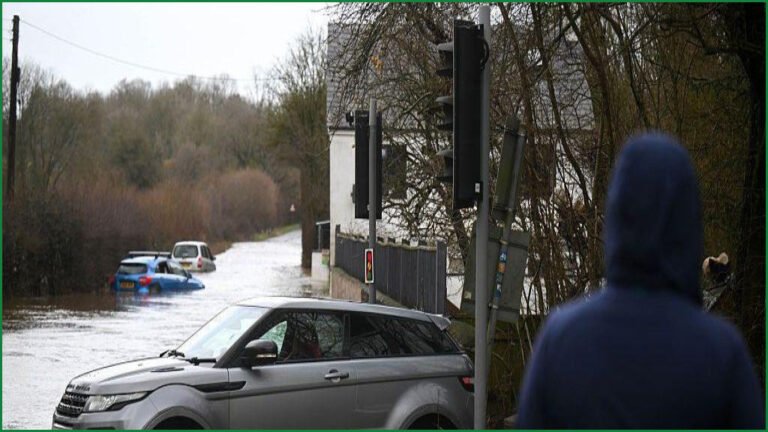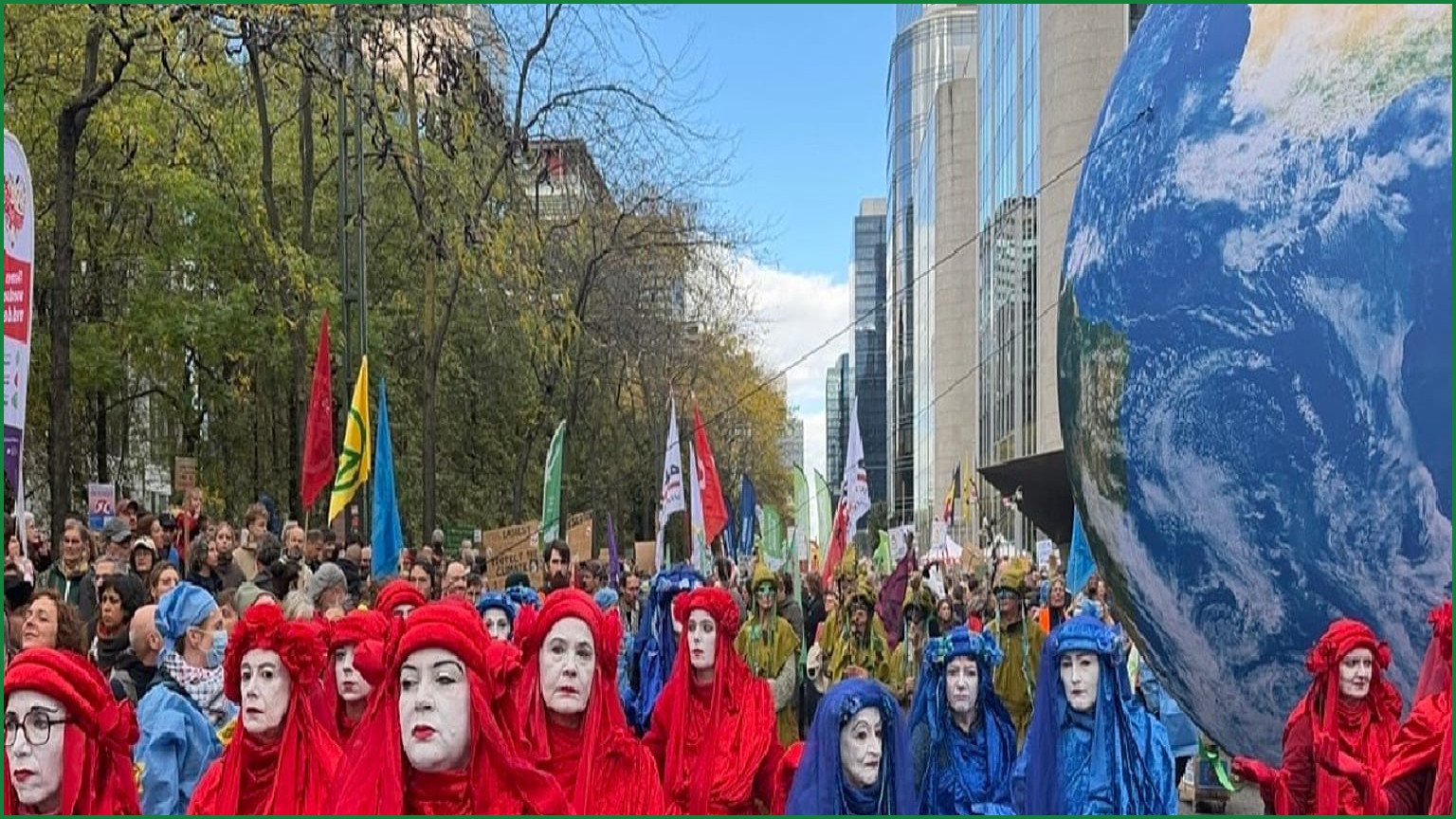
Tens of thousands of demonstrators marched through the streets of Brussels on Sunday, heading toward the European Union's headquarters to issue a strong call for more aggressive climate action. The protest comes as Europe grapples with the aftermath of record-breaking heatwaves this month, which have intensified public concerns regarding the long-term consequences of man-made climate change on the continent.
The event, which was organized by the Climate Coalition in partnership with various groups including the Flemish green political party Groen, sought to pressure leaders ahead of the annual United Nations COP summit, scheduled to take place in the Turkish resort town of Antalya next month. Despite the significance of the upcoming gathering, there is widespread skepticism that it will produce major breakthroughs, particularly as the United States under Donald Trump has stepped away from the process and political momentum appears to be slowing within Europe.
The Climate Coalition presented five core demands to policymakers: the phase-out of fossil fuel subsidies, the introduction of taxes on the fossil fuel sector, the expansion of green spaces, a commitment to a fair climate transition, increased support for citizens and businesses to shift away from fossil fuels, and enhanced international cooperation to combat global warming.
Aimen Horch, president of the Green Party in Flanders and Brussels, emphasized that while these demands remain consistent, the current sense of urgency is higher than ever. Highlighting the human toll of the recent summer, Horch noted that Belgium faced an unprecedented spike in excess deaths during extreme heatwaves. "People actually died from the heat. They felt that the conditions of their homes made it impossible to sleep at night. They saw the wildfires in the High Fens, one of the country's most important nature reserves, and saw that the government did nothing," Horch stated. Many participants, including Horch, expressed frustration that climate goals are slipping down the political agenda, with some governments actively reducing their environmental ambitions.
Aurore Schreiber, an attendee representing a development cooperation NGO, said she joined the march with her family to ensure that "politicians wake up and hear the citizens' message." Protesters argued that officials should not fear electoral consequences for implementing courageous environmental measures.
The current international climate landscape is further complicated by rising energy prices, which have empowered major oil and gas producers, making them less inclined to discuss ending fossil fuel reliance. While the European Union maintains that it remains a global leader and a primary donor in the field, the bloc is arriving at the COP after recently softening some of its own environmental legislation. In a move to remain competitive against the United States and China, the European Commission proposed last month to delay a law targeting methane—a potent greenhouse gas—by one year, moving the implementation date from 2027 to 2028.