Saudi authorities have confirmed that a devastating attack on King Khalid International Airport in Riyadh, Saudi Arabia, resulted in the deaths of 12 people and left more than 300 others wounded. The strike, which occurred on Friday, Oct. 9, 2026, stands as the deadliest attack in any Gulf Arab country since the beginning of the war involving Iran, a conflict that has recently expanded to include intensified fighting between Iran-backed Houthi rebels in Yemen and Saudi-backed government forces.
Official statements regarding the casualties did not assign direct blame for the attack. The deceased included four Saudi citizens, two Bangladeshi nationals, and one individual each from Palestine, the United States, Egypt, Jordan, Syria, and Sudan. Those injured in the incident are currently receiving medical care at various hospitals. A regional official, speaking on condition of anonymity due to a lack of authorization to brief the media, stated that a missile struck an airport complex housing terminals 3 and 4, which are used for domestic flights.
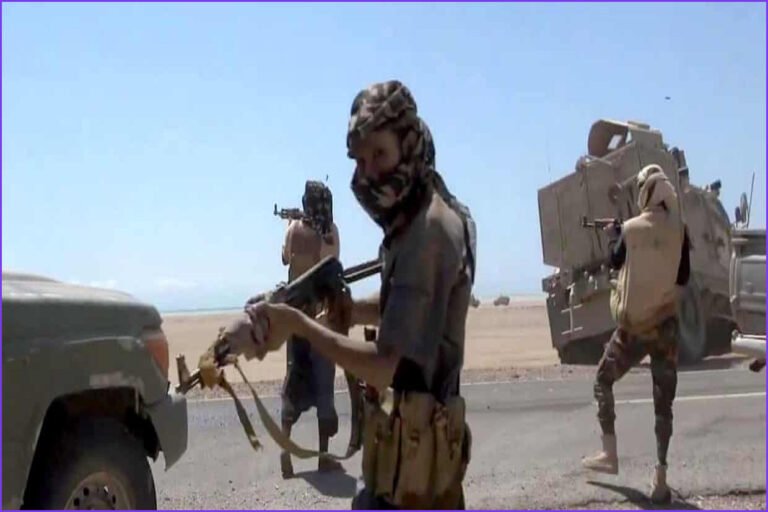
In response to the escalation, President Donald Trump indicated on Saturday that he is evaluating whether the United States should participate in Saudi-led strikes against the Houthis. "We may. We're going to look at it," President Trump said. "We just found out about the recent attack. So we'll make a decision. We move very quickly." The surge in attacks against Saudi airports, military facilities, and oil infrastructure follows a major military offensive launched by a Saudi-led coalition against the Houthi rebels one week ago. While the rebels did not immediately claim responsibility for the Riyadh attack, they had earlier on Saturday accused Saudi Arabia of striking Sanaa International Airport in the Houthi-held Yemeni capital.
Saudi civil aviation authorities suspended all operations at the Riyadh airport, with an official notice to aviators stating the suspension would remain in effect through midnight. The facility was placed under heavy police security with all entrances blocked, and lights around the complex were dimmed. Flightradar24 reported that flights were being diverted to other locations. Governments including the United States, Britain, Germany, Australia, and Canada issued warnings for their citizens to avoid the airport, with many later issuing statements of condolence.
The regional security situation remains volatile. On Saturday, the Saudi-led coalition reported that a projectile had fallen near King Fahd International Airport in Dammam and that a Houthi-launched ballistic missile had been intercepted in the Al-Kharj governorate, southeast of Riyadh. Regional officials told the Associated Press last month that Saudi Arabia is running low on missile interceptors and has requested air defense support from France, Britain, Pakistan, and Egypt. One official noted that the United States has also seen its own stocks dwindle during the ongoing war with Iran.
The European Union Aviation Safety Agency has expanded its guidance on Saudi airspace, noting the Houthis' increased ability to strike targets deep inside the kingdom and a greater focus on aviation infrastructure. The agency warned that missile and drone attacks, along with interception efforts, create an increased risk of misidentification for civil aircraft. Additionally, two regional officials confirmed that Houthi attacks on the Riyadh airport on Thursday had damaged three planes. The Saudi national carrier confirmed that one of its aircraft was damaged while on the ground, with no passengers on board. Earlier on Saturday, the Saudi foreign minister spoke by phone with his Omani counterpart regarding the importance of supporting diplomatic solutions to de-escalate regional tensions.