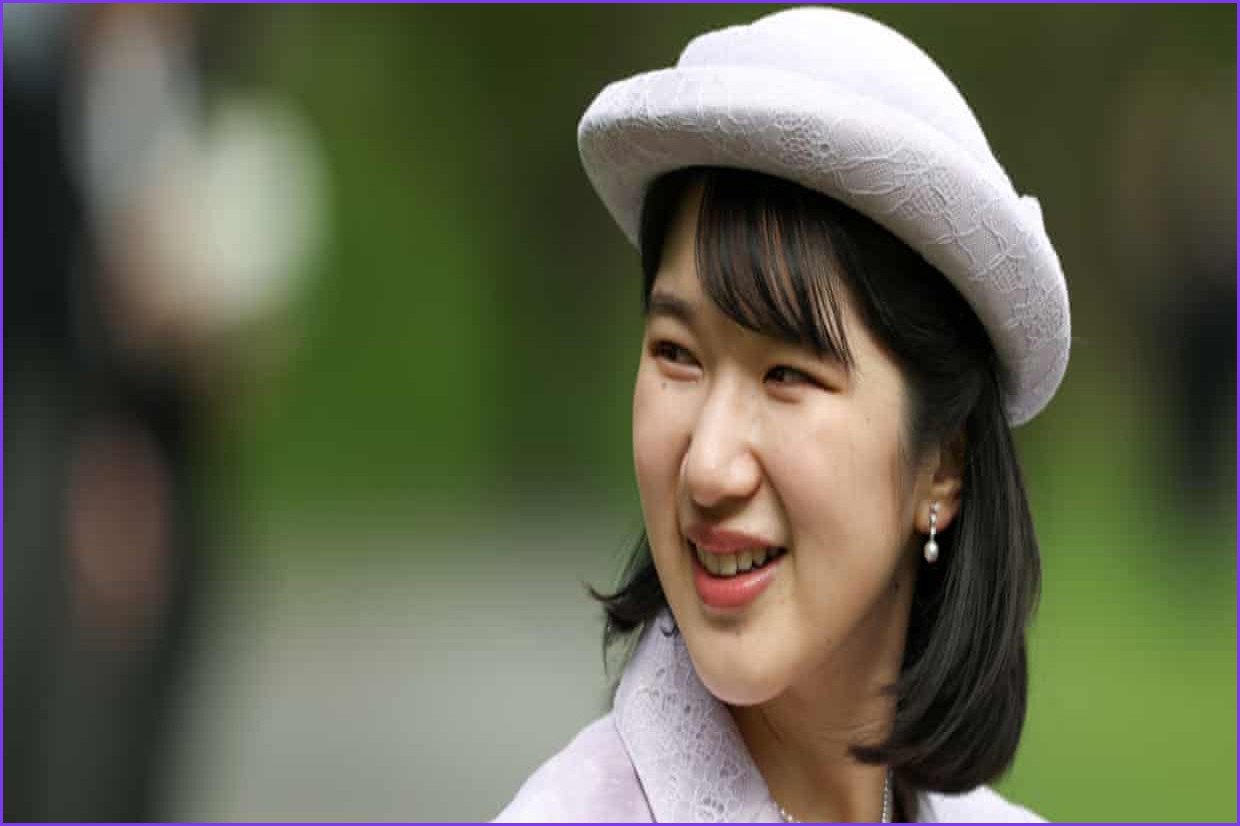
A growing debate is taking hold across Japan over why the nation’s most popular royal, 24-year-old Princess Aiko, is legally barred from ever ascending the Chrysanthemum throne. The only child of Emperor Naruhito and Empress Masako, Aiko has transitioned from a shy primary school student into a poised young woman celebrated by the public for her regal dignity, grace, and warmth. Yet, under a law established nearly 140 years ago, women are strictly forbidden from becoming reigning empresses.
This legal restriction stands in stark contrast to overwhelming public opinion. A poll conducted in April by the Mainichi Shimbun newspaper revealed that 72% of Japanese citizens favor allowing a woman to become emperor, while only 10% oppose the idea. This widespread support crosses political lines, driven in part by a looming succession crisis that threatens the very survival of the 1,500-year-old imperial line.
The imperial family is experiencing the same demographic decline affecting the rest of Japanese society. Three decades ago, the family boasted 30 members; today, that number has dwindled to just 16, with only five of them being men. Currently, the line of succession relies on just three male heirs: the Emperor’s younger brother, Crown Prince Akishino; his 20-year-old son, Prince Hisahito; and the Emperor’s 90-year-old uncle, Prince Hitachi. Prince Hisahito, a university student, was the first male born into the family in four decades. If he does not have a son, the imperial lineage will end within a single generation.
Past governments have attempted to resolve this crisis by exploring gender equality reforms for the Tokyo palace. However, these efforts were halted by intense pressure from conservative lawmakers and the birth of Prince Hisahito in 2006. Recently, the conservative administration of Prime Minister Sanae Takaichi, Japan’s first female premier, pushed through legislative amendments to safeguard the male-only succession line. These changes, which take effect later this month, allow royal women to retain their status after marrying commoners and resurrect 11 "collateral branches" of the family that were removed after World War II. Under these rules, a single male relative over the age of 15 from these branches could be adopted into the imperial family, and any future son he has would join the line of succession.
The restriction has also drawn international criticism. In 2024, the United Nations women’s rights committee urged Japan to change its succession laws. Tokyo rejected the recommendation, calling the intervention "regrettable" and "inappropriate," and asserting that the imperial succession is a matter of "fundamental national identity." Prime Minister Takaichi has defended the status quo, telling lawmakers that the preservation of the male line for 126 generations is the foundation of the emperor's authority and legitimacy.
However, experts warn that the public's affection for Princess Aiko could force a political shift. Prof Makoto Okawa, an expert on imperial lineage at Chuo University, noted that the recent legal changes aim to maintain male-line succession, but public unease about excluding women remains high. He observed that many citizens view Aiko as embodying Emperor Naruhito’s modern vision of a monarch who is close to the people. Supporters, such as Jin, who runs an Instagram account dedicated to the princess, argue that the government is ignoring a clear national consensus, stating that Aiko's character and dignity make her highly qualified to serve as a symbol of Japan.
While Japan has had eight female monarchs in its history, including Empress Go-Sakuramachi, who ruled from 1762 to 1770, their roles were historically treated as temporary placeholders until a male heir was available. Today, members of the imperial family, who are legally barred from commenting on politics, have used subtle language to signal their views. Emperor Naruhito recently expressed hope that discussions on securing the family's future would gain the public's understanding. Crown Prince Akishino spoke more directly, stating that the imperial family must evolve alongside society and adding that he believes there are no differences in duty between men and women.
Her face is splashed across magazine covers. Fans flock to online stores to snap up her outfits. At official engagements, huge crowds wait in the crushing heat to catch a glimpse of a woman revered for her ‘regal dignity, beauty and aura’.