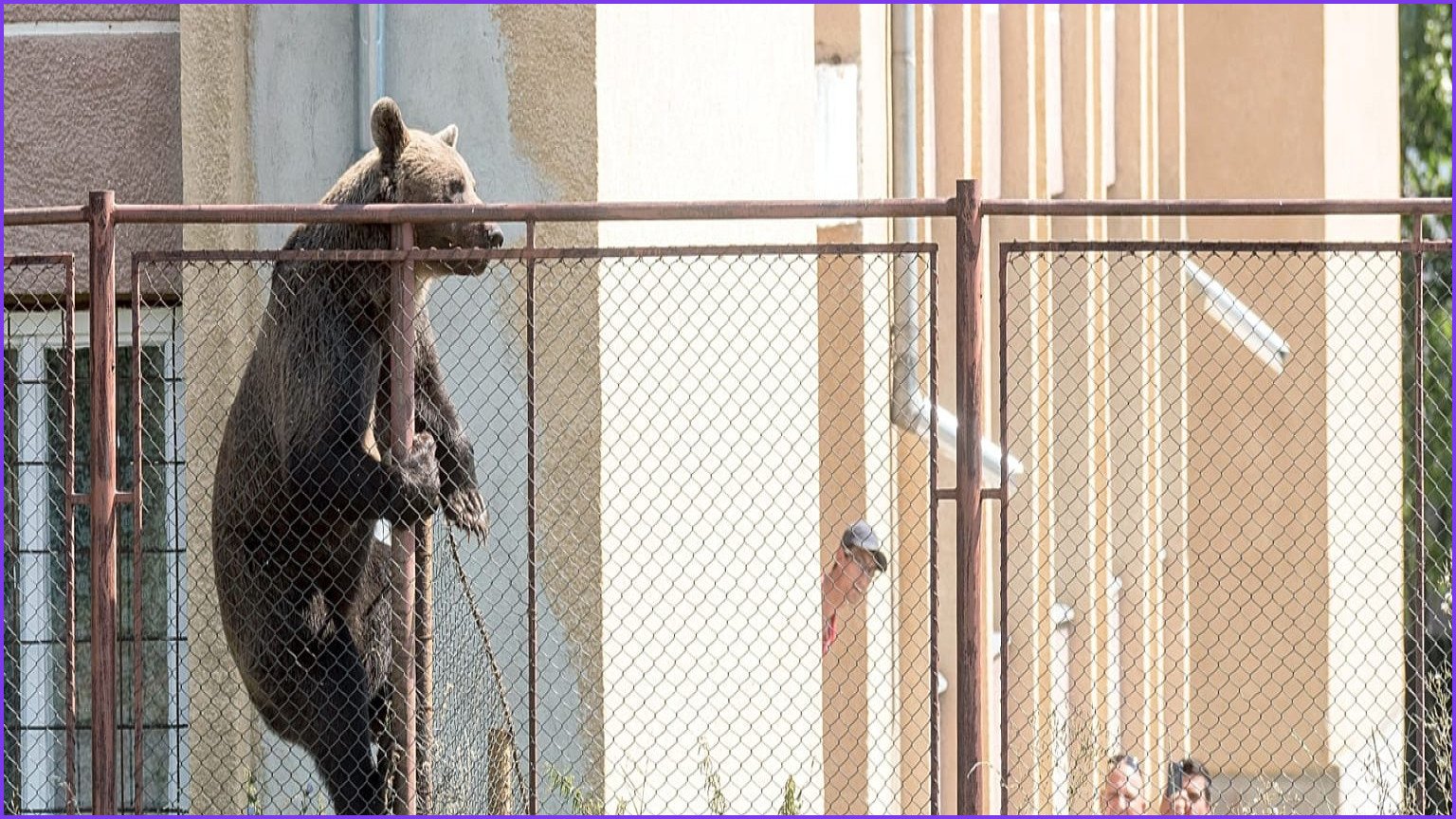
Romanian President Nicusor Dan has signed a new law aimed at reducing the country's brown bear population, authorizing the preventive culling of 859 bears this year. The legislation also permits the hunting of an additional 110 protected large wild animals as an emergency intervention measure if they pose an active threat to human life. The law will officially take effect once it is published in the state's official gazette.
The move comes in response to a sharp rise in bear encounters and increasingly frequent fatal attacks in inhabited areas. According to a previous scientific survey mapping the species, Romania holds the largest brown bear population in Europe, boasting the continent's highest genetic diversity. The study estimated the number of individual brown bears in the country to be between 10,600 and 12,700.
Local government representatives have strongly supported the measure, citing a significant increase in both the bear population and the damage they cause. In one county alone, authorities registered approximately 300 emergency calls regarding bears wandering into built-up areas and recorded two bear attacks during the first eight months of this year.
The legislation was originally initiated by the Democratic Alliance of Hungarians in Romania (RMDSZ). Its path to enactment involved a lengthy legal dispute. President Nicusor Dan initially lodged a constitutional challenge against the draft law, which was rejected by the Constitutional Court. He then sent the bill back to parliament in August, arguing that several points required clarification. However, the Chamber of Deputies re-adopted the bill without amendments on September 16, passing it in the exact form previously approved by the Senate. During parliamentary debates, several lawmakers urged that the regulations be implemented as quickly as possible.
Senator Tánczos Barna, an acting deputy prime minister and a key initiator of the bill, recalled that the RMDSZ had requested nearly a year ago to double the preventive quotas for both this year and 2027. Barna explained that this push was backed by scientific data confirming that bear overpopulation in Romania can only be managed through more effective intervention. He added that while immediate action against dangerous individual bears is necessary, it cannot replace broader, systematic population control measures.
Despite the law's final approval, some officials have warned that actually reaching this year's culling quota may now be impossible. They point out that the months of legal and legislative delays have left far too little time remaining in the year to safely and effectively cull hundreds of large wild animals.