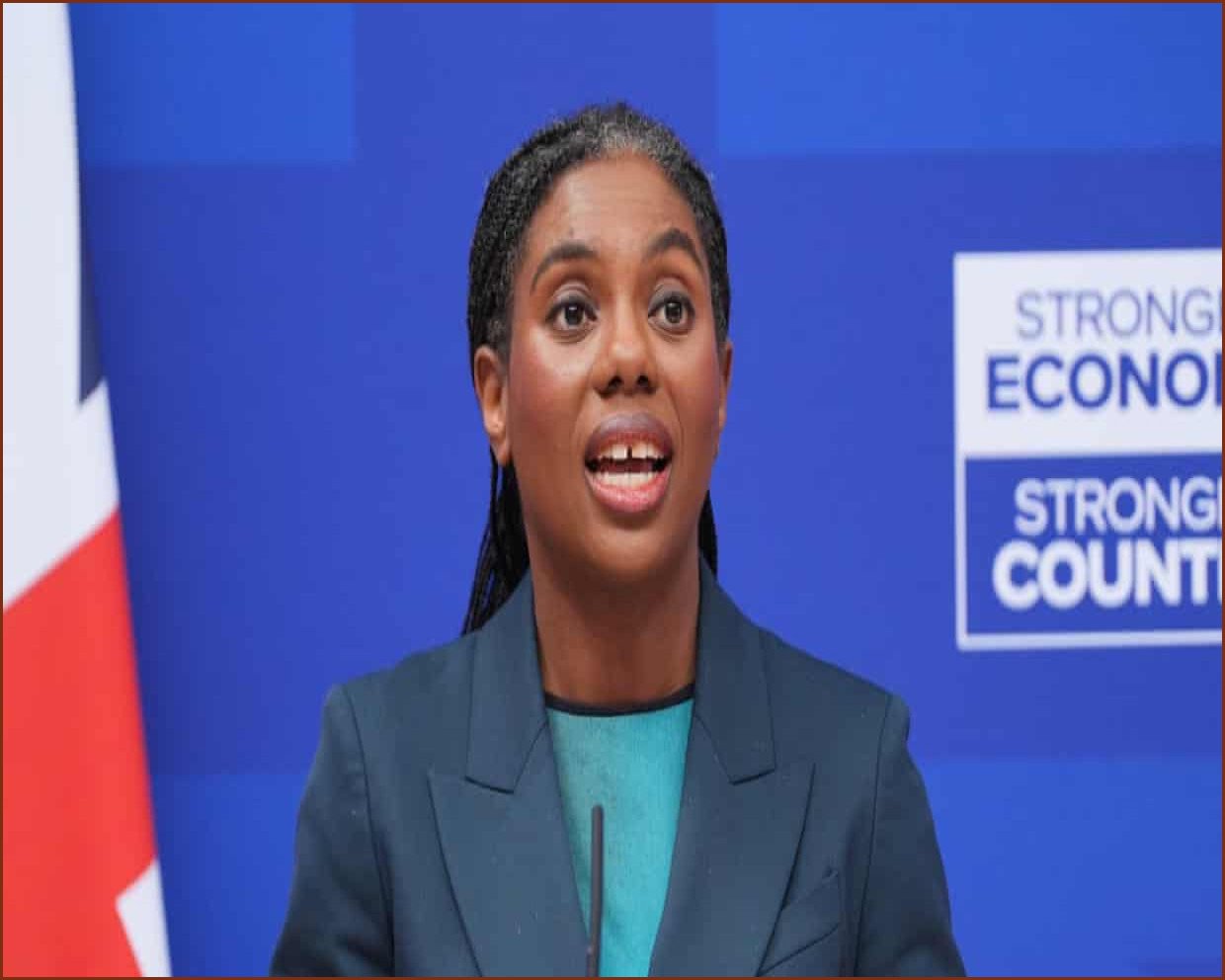
The Conservative Party is heading into its annual conference in Birmingham with a superficially improved sense of unity and optimism under leader Kemi Badenoch, though deep polling struggles and internal debates over hardline policies continue to shadow the party.
While there is a general consensus among MPs that the mood is notably more upbeat than last year and that Badenoch is performing well, some caution that the positive atmosphere masks a difficult reality. One Conservative MP noted that the mood is overhyped because the facts remain very poor, pointing out that the party is still a distant third in the polls and would face a severe defeat if an election were held immediately. Nearly two years after Badenoch took the leadership, the Tories are polling lower than they did during their catastrophic 2024 election defeat.
This political reality is complicated by a fractured landscape and the rise of Reform UK. A shadow minister warned that the party needs to balance its appeal, attracting voters who defected to the Liberal Democrats as much as those who went to Reform. The minister cautioned that being too intolerant on social issues risks reviving the "nasty party" label, a phrase originally coined by Theresa May in 2002 to warn activists against focusing on too narrow a voter base.
Concerns over this direction have been fueled by recent policy pledges. The Tories have proposed barring non-Britons from social housing, stripping UK citizenship from dual nationals convicted of serious crimes, and reducing some benefit payments to a "subsistence" level that restricts purchases of alcohol and tobacco. Additionally, their pre-conference policy agenda features a plan to slash overseas aid to fund 50,000 new prison places. Some MPs dismiss these worries, with one stating that constituents are far more concerned about welfare costs than "nasty party" accusations.
Despite these debates, open dissent has remained limited, even regarding controversial proposals like leaving the European Convention on Human Rights (ECHR) to facilitate rigorous deportations. This proposal was prefaced by a 185-page report from shadow attorney general David Wolfson. The lack of opposition is partly attributed to respect for Badenoch's methodical decision-making, and partly to the quietude of centrist One Nation Conservatives, many of whom are outside parliament or have been co-opted, such as Tom Tugendhat, who was appointed shadow foreign secretary in a recent mini-reshuffle.
One centrist MP admitted that the One Nation group historically "never actually did anything" beyond occasionally holding hands, but noted that "everybody seems to be pulling together now," adding that the internal factions have ceased. Badenoch's personal standing has also been bolstered by her performances in the Commons. Her YouGov net favourability rating has risen by 20 points, though it remains low at minus 15, with voters describing her as "strong" but also "mean" and "cold."
The current show of unity contrasts with last year's event, which was marred by controversy surrounding Robert Jenrick, then shadow justice secretary, who was accused of promoting toxic nationalism. Jenrick has since defected to Reform UK after being sacked by Badenoch for plotting against her. One shadow minister remarked that the party has "outsourced our toxicity to Reform" and that Badenoch has achieved significant "cut-through."
However, moderate Tories continue to express concern from the sidelines. Prosper UK, a centrist group led by former West Midlands mayor Andy Street and former Scottish Conservative leader Ruth Davidson, has urged Badenoch to target "politically homeless" moderate Tories in southern England. David Gauke, a vice-chair of the group and former cabinet minister, stated that there is no path to a Conservative majority that does not involve winning back seats in Oxfordshire, Surrey, and the home counties.
Tim Bale, a professor of politics at Queen Mary, University of London, analyzed Badenoch's strategy as an attempt to block Reform UK's momentum while hoping Reform implodes and Prime Minister Andy Burnham's government slumps. Bale questioned the strategy's viability, noting that the Tories have slipped from 24% of the vote in 2024 to just over 20% now. Bale remarked that the party seems to be overstating the extent to which voters support Badenoch, adding, "If this is what success looks like, I’d love to know what failure is."
“We need to be attracting as many voters who left us for the Lib Dems as Reform, and I don’t personally think we have got the balance right,” a shadow minister said.
“Either way, everybody seems to be pulling together now. It’s not quite yet the Blues Brothers on a mission from God, but there’s a real sense of purpose. There are no factions, no five families. The arguments have stopped.”