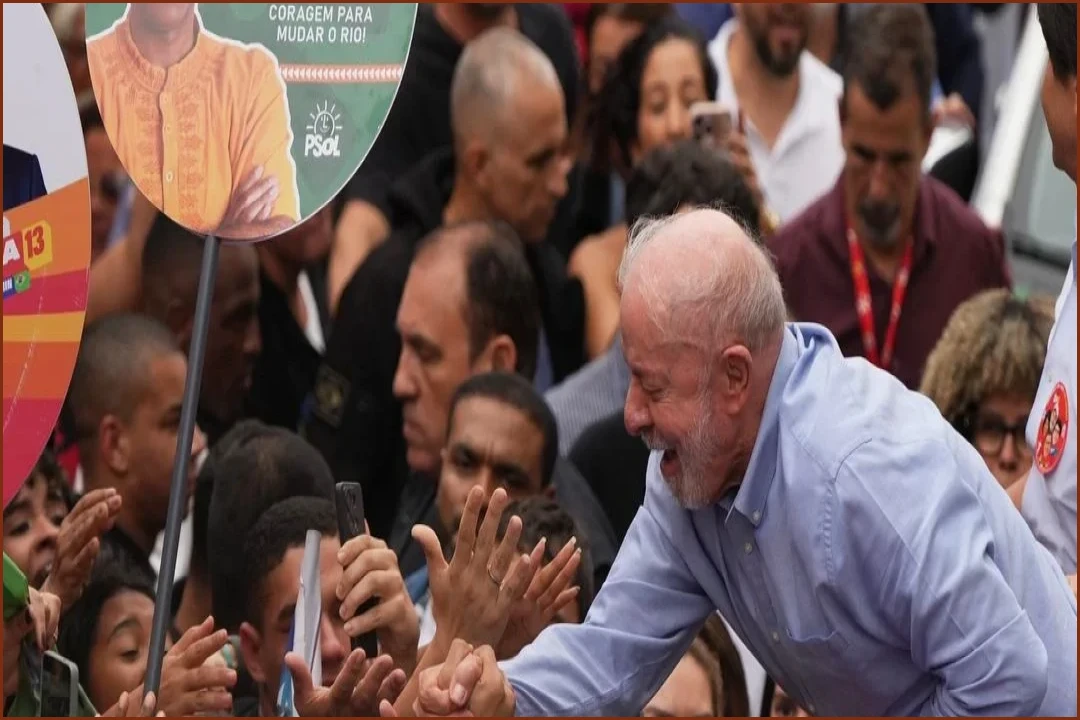
President Luiz Inacio Lula da Silva and his rival, Flavio Bolsonaro, are engaged in a final, aggressive scramble to secure votes ahead of Sunday's election in Brazil. The campaign has been defined by intense political polarization, with both candidates pulling no punches in a race that remains a nail-biter. According to Felipe Nunes, director of the Quaest polling institute, the contest is currently in a dead heat, though he noted that the race is not at a standstill. Many observers expect the election to proceed to a runoff on October 25.
The political tension has extended beyond domestic borders, as the United States suspended consular services in Brasilia and Australia closed its embassy, both citing unspecified security concerns. Edinho Silva, president of the Workers' Party (PT), criticized the US decision, suggesting it serves as a tactic for Donald Trump to influence Brazilian public opinion. Trump has been closely monitoring the election, having championed the rightward shift in Latin American politics.
The campaign has been marred by scandals and personal insults. Lula, 80, who is seeking a fourth non-consecutive term, dismissed his opponent as unqualified, stating that Flavio Bolsonaro is not even fit to serve as a building manager. Conversely, Bolsonaro, 45, expressed confidence in a first-round victory, declaring that Brazil can no longer tolerate Lula and vowing that his rival would be ousted from the presidency on Sunday. Bolsonaro, a senator since 2019, has faced his own challenges, including an investigation into the financing of the biopic "Dark Horse." He was forced to admit during the campaign that he requested funding for the film from jailed banker Daniel Vorcaro, a key figure in one of Brazil's largest financial fraud cases.
Religious themes have also become a flashpoint. Rumors emerged suggesting that Flavio Bolsonaro planned to strip Our Lady of Aparecida of her status as Brazil's patron saint if elected. Bolsonaro issued fierce denials, while Lula campaigned while clutching a statue of the saint, calling any attempt to "mess" with her unacceptable. On Thursday, the electoral court ordered the removal of social media posts containing these "untrue" claims.
Among the nation's 160 million registered voters, sentiment remains mixed. Marcelo Vilanova, a 32-year-old fish market manager in Juiz de Fora, stated he is voting for Lula as the "lesser of two evils." Meanwhile, 38-year-old cell phone shop owner Lucas Sales, also in Juiz de Fora, supports Flavio Bolsonaro, citing his promise to be tough on crime, which remains a primary concern for many voters.
Lula has centered his campaign on Brazilian sovereignty, warning Trump against meddling in the country's elections. He has highlighted his record of reducing inflation and unemployment, as well as his efforts to curb deforestation in the Amazon. In the final days of the campaign, he introduced new measures, including increased social welfare payments and a ban on sports betting. Despite these efforts, voters continue to express frustration over the high cost of living and persistent violence.