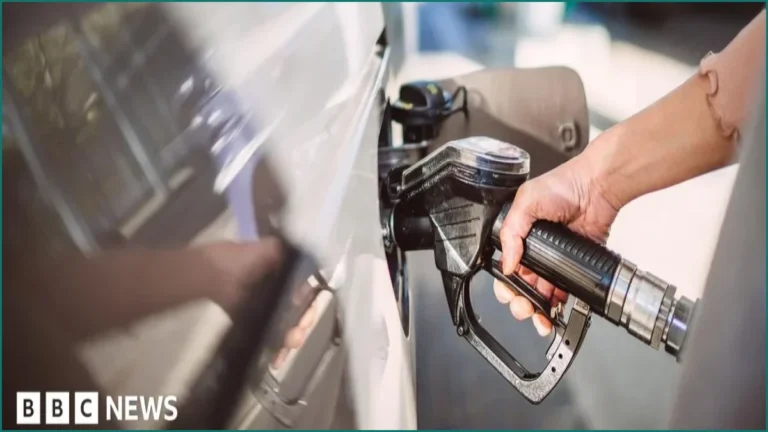
US President Donald Trump has suggested that European nations should prepare to release their strategic diesel reserves, as his administration seriously considers a ban on American diesel exports to combat soaring domestic fuel costs.
The proposal was strongly echoed by US Treasury Secretary Scott Bessent, who urged European partners to immediately mobilize their fuel stockpiles. Bessent argued that American businesses, truckers, and farmers should not bear the brunt of rising prices. “Our European partners should accelerate delivery on their existing commitments and make additional supplies immediately available to address ongoing disruptions,” Bessent stated on social media.
The potential US export ban comes at a politically sensitive time, just weeks before the November midterm elections where control of Congress is at stake. President Trump is currently preparing to travel across the United States to campaign for Republican candidates in an effort to retain control of the House and Senate. Domestically, Trump has argued that halting diesel exports would keep surplus barrels in the US, providing immediate relief at the pump.
However, energy experts warn of severe international consequences. The US is a critical global supplier, exporting between 1.2 million and 1.5 million barrels of diesel daily. David Fyfe, chief economist at Argus Media, warned that cutting off American shipments would likely cause global prices to skyrocket. Diesel is harder to refine than gasoline and remains highly inelastic due to its essential use in agriculture and commercial haulage.
In response to the looming threat, British and European officials have initiated emergency discussions. On Thursday, UK Energy Minister Martin McCluskey held a call with his European counterparts to discuss a coordinated response to any potential US ban. A European Commission spokesperson confirmed that “lots of calls, lots of meetings” were underway, including high-level discussions with the US administration.
A source familiar with the European talks noted that coordinating a response with EU nations is a prudent step, adding that Europe still holds reserves from a joint release of strategic fuel stocks earlier this year. A spokesperson for the British government sought to reassure the public, stating, “We have a diverse and resilient supply. We continue to engage with our international partners and the UK fuel industry.” Although officials stressed there is no immediate cause for concern over shortages, they acknowledged that prices are expected to rise further.
The global fuel crisis has intensified since the outbreak of the US-Israel war in Iran in February. The subsequent closure of the Strait of Hormuz—a vital transit route for approximately one-fifth of the world’s oil and gas—along with an export ban from Russia, has severely squeezed global energy supplies.
In the UK, diesel prices reached record highs this week, hovering just under 200p per litre according to the RAC. The UK is heavily reliant on foreign imports; while its four domestic refineries produce a surplus of petrol, they do not produce enough diesel to meet domestic demand. This supply pressure comes as the number of diesel vehicles on UK roads continues to decline. According to the Department for Transport, there were 15.1 million diesel vehicles registered at the end of June, down from 15.7 million a year earlier, while the number of diesel cars fell from 10.4 million to 9.8 million over the same period.