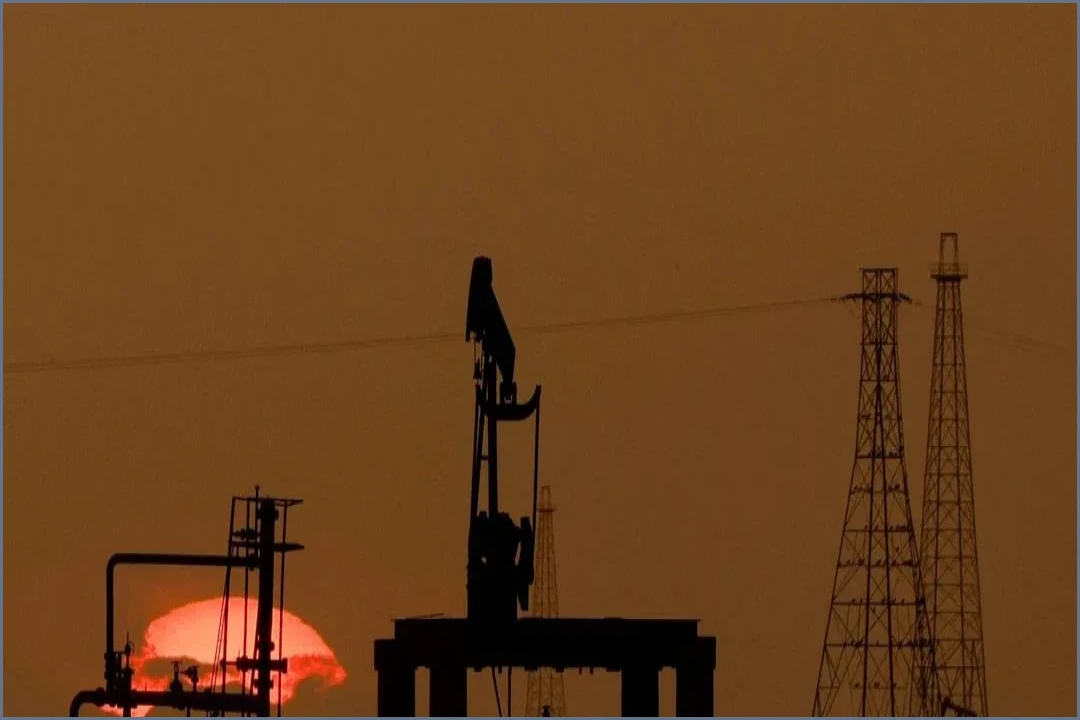
Global oil prices have rebounded by more than 1 percent following US President Donald Trump’s rejection of a peace proposal from Iran. The initiative, which aimed to resolve military conflicts and reopen the Strait of Hormuz, was intended to ease geopolitical tensions across the Middle East. Following the announcement, Brent crude futures climbed to $105.64 a barrel by 0036 GMT, while US West Texas Intermediate (WTI) crude rose to $93.11 a barrel.
Iran had introduced the peace initiative last week during the UN General Assembly in New York, confirming that the proposal was transmitted to Washington through Qatari intermediaries. Although President Trump formally rejected the roadmap on Saturday, he indicated during a phone interview with Axios on Sunday that he expects American negotiators to hold further discussions this week.
The regional security environment remains volatile, as evidenced by the Saudi-led coalition in Yemen confirming early Saturday that it intercepted two ballistic missiles and two drones launched by the Houthis toward the kingdom. These developments occur alongside shifting trends in the shipping sector. While Brent crude edged up 0.4 percent last week, WTI had previously plunged 7.9 percent amid market concerns that the US administration might ban diesel exports to address record domestic fuel prices—a move that could potentially constrain American refinery output.
Despite these concerns, crude oil exports from major Middle Eastern producers rebounded in September to 12.8 million barrels per day (bpd), according to preliminary shipping data from Kpler released on Monday. This figure marks the highest volume recorded since the conflict began in February, driven by increased deliveries from Saudi Arabia and the United Arab Emirates. The recovery is largely attributed to a restoration in shipments traversing the Strait of Hormuz, which are projected to reach approximately 7.4 million bpd this month. This logistical shift followed Saudi Arabia’s decision to redirect exports away from the Red Sea port of Yanbu toward its eastern terminal at Ras Tanura, following militant strikes that damaged the kingdom's East-West pipeline.