British Prime Minister Andy Burnham has appealed for calm in Northern Ireland after a Belfast High Court ruling gave the go-ahead for a highly contentious march. The late-night judicial decision has reignited local divisions and triggered significant protests along the parade's planned route.
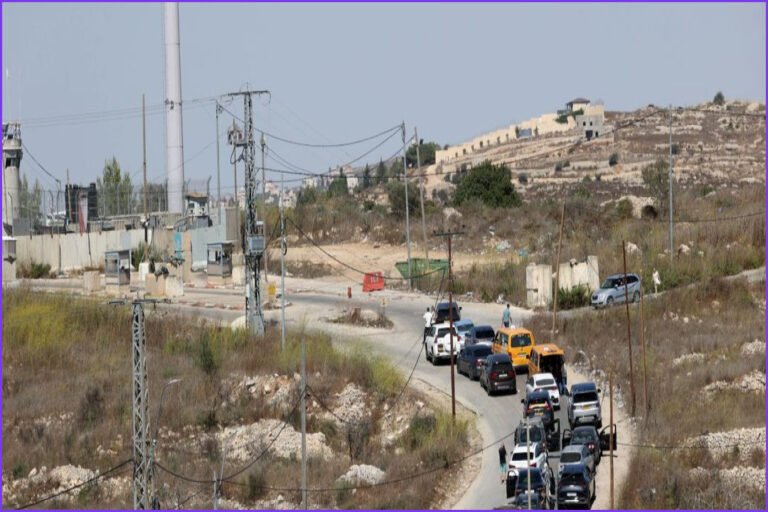
On Sunday, thousands of protesters, many wearing balaclavas, gathered to block members of the Orange Order from marching down Garvaghy Road in the town of Portadown. The Orange Order strongly supports Northern Ireland remaining part of the United Kingdom, whereas many residents of the Portadown neighborhood favor unification with the Republic of Ireland. This marks the first time in nearly 30 years that the loyalist group has been permitted to march along this road, which served as a notorious flashpoint during the decades of sectarian violence known as the Troubles.
The Troubles, which largely ended with the 1998 Good Friday Agreement, resulted in the deaths of approximately 3,600 people and left some 50,000 wounded. The peace process sought to balance competing identities in Northern Ireland, which remained in the U.K. when the rest of Ireland gained independence a century ago. Today, the population remains divided between mostly Catholic Irish nationalists who seek union with the Republic of Ireland, and largely Protestant unionists who want to remain in the U.K.
Reacting to the court's decision, Prime Minister Burnham urged "calm on all sides," emphasizing that "big gains made in Northern Ireland, and we don’t want to see things go backwards." Meanwhile, Jon Boutcher, the head of the Police Service of Northern Ireland, called on "those with influence to encourage people to comply with the law" as the large demonstration blocked Garvaghy Road. Boutcher noted that there had been no immediate signs of violence or disorder, adding that police are actively engaging with all parties to preserve peace.
The court's decision has deeply divided local political leaders. Northern Ireland First Minister Michelle O’Neill of Sinn Fein—the party historically linked to the Irish Republican Army—joined the counterprotest on Garvaghy Road. She warned that the decision "brings into question how this whole peace process works" and accused the Orange Order and political unionists of trying to "drag us backwards," threatening 28 years of progress.
In response, Gavin Robinson, leader of the Democratic Unionist Party, criticized Sinn Fein for escalating tensions. Robinson argued that "the rule of law cannot apply only when Sinn Fein likes the outcome" and emphasized that Northern Ireland's institutions are built on respect for the police, the courts, and the law.
The legal battle over the march concluded in the early hours of Sunday, with the High Court granting final approval at 2:15 a.m. The Orange Order, which organizes the march, is named after William of Orange, the 17th-century Protestant prince of Holland who seized the British throne after defeating the Catholic King James.