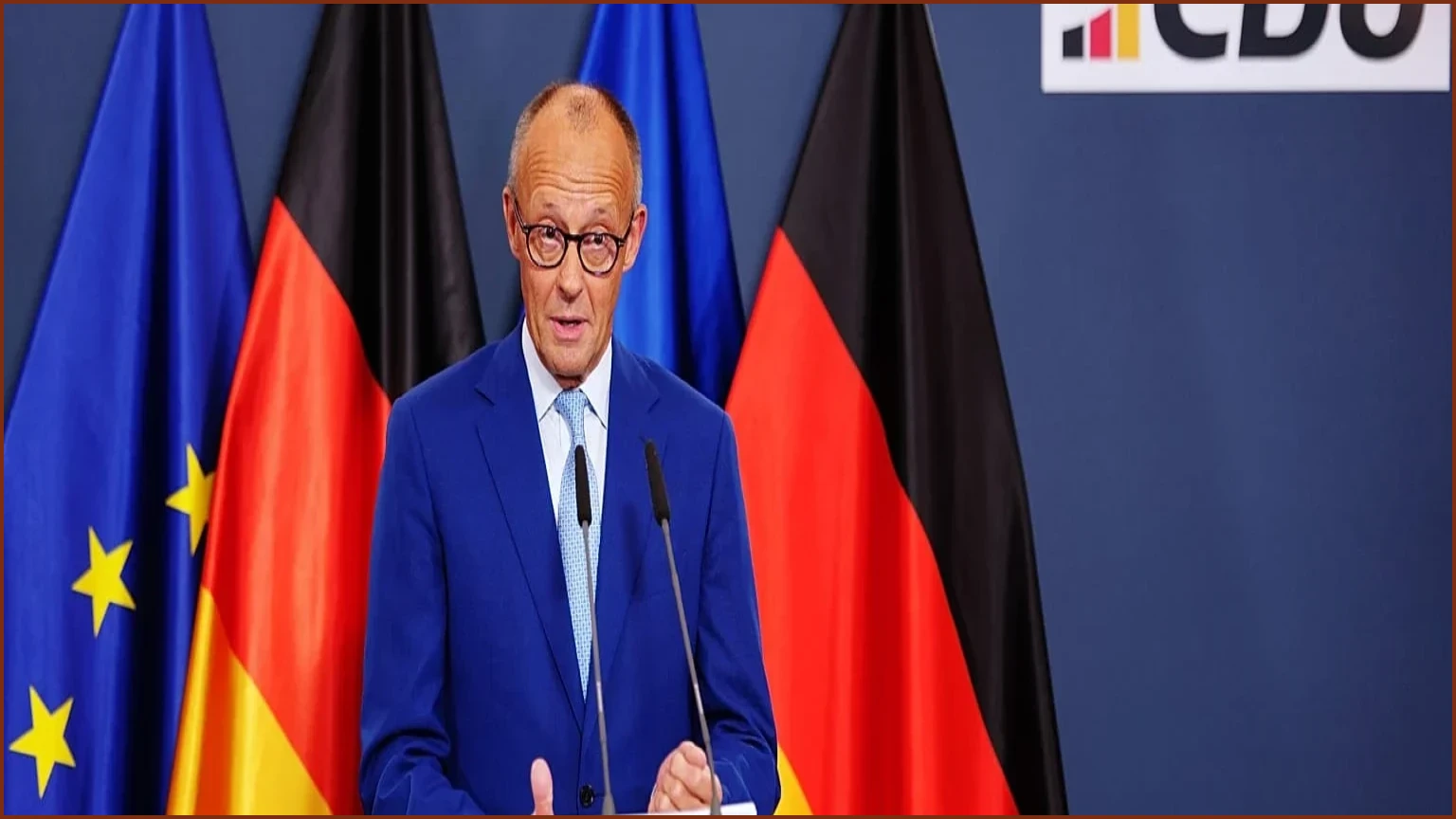
Chancellor Friedrich Merz’s party, the centre-right Christian Democratic Union (CDU), suffered heavy losses in two separate state elections on Sunday, according to exit polls. In Mecklenburg-Western Pomerania, a largely rural state in Germany’s formerly communist east, the CDU is projected to fall to 5.5% of the vote. This result would mark the party's worst performance in the region since World War II. Meanwhile, in Berlin, the CDU is projected to finish in second place with 20% of the vote, trailing the Left Party, which is polling at 24.5% according to data from the public broadcaster ARD.
The Alternative for Germany (AfD) party achieved significant gains throughout the regional contests. This performance follows the party's strong showing two weeks ago in the eastern state of Saxony-Anhalt, where they finished just short of an absolute majority, marking their best chance yet of forming the country’s first far-right regional government since the Second World War. The AfD's momentum in Saxony-Anhalt has further damaged the chancellor's national standing, sparking calls from within his own party over the past fortnight to replace him. While no top-level allies have publicly demanded his resignation, many have warned against opening divisive internal personnel debates.
Chancellor Friedrich Merz, 70, who has led Germany for 16 months, has faced criticism for failing to lift a sullen national mood or revitalize an economy that has stalled for years, resulting in a decline in his personal popularity. In anticipation of a challenging post-election period, Merz abandoned a planned trip to New York next week to attend the UN General Assembly. Addressing the exit poll results, the chancellor affirmed his commitment to remaining in his position until the end of his term. "The reforms have to come," 70-year-old Merz stated. "I am taking on this responsibility because I want to move our country forward."