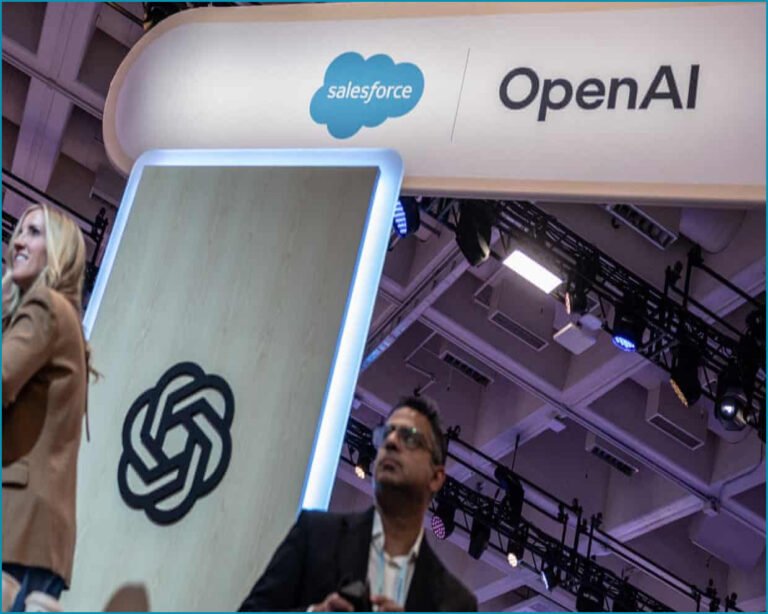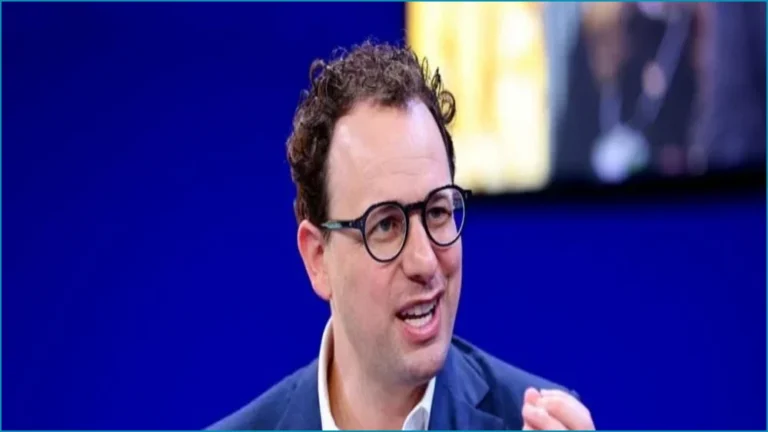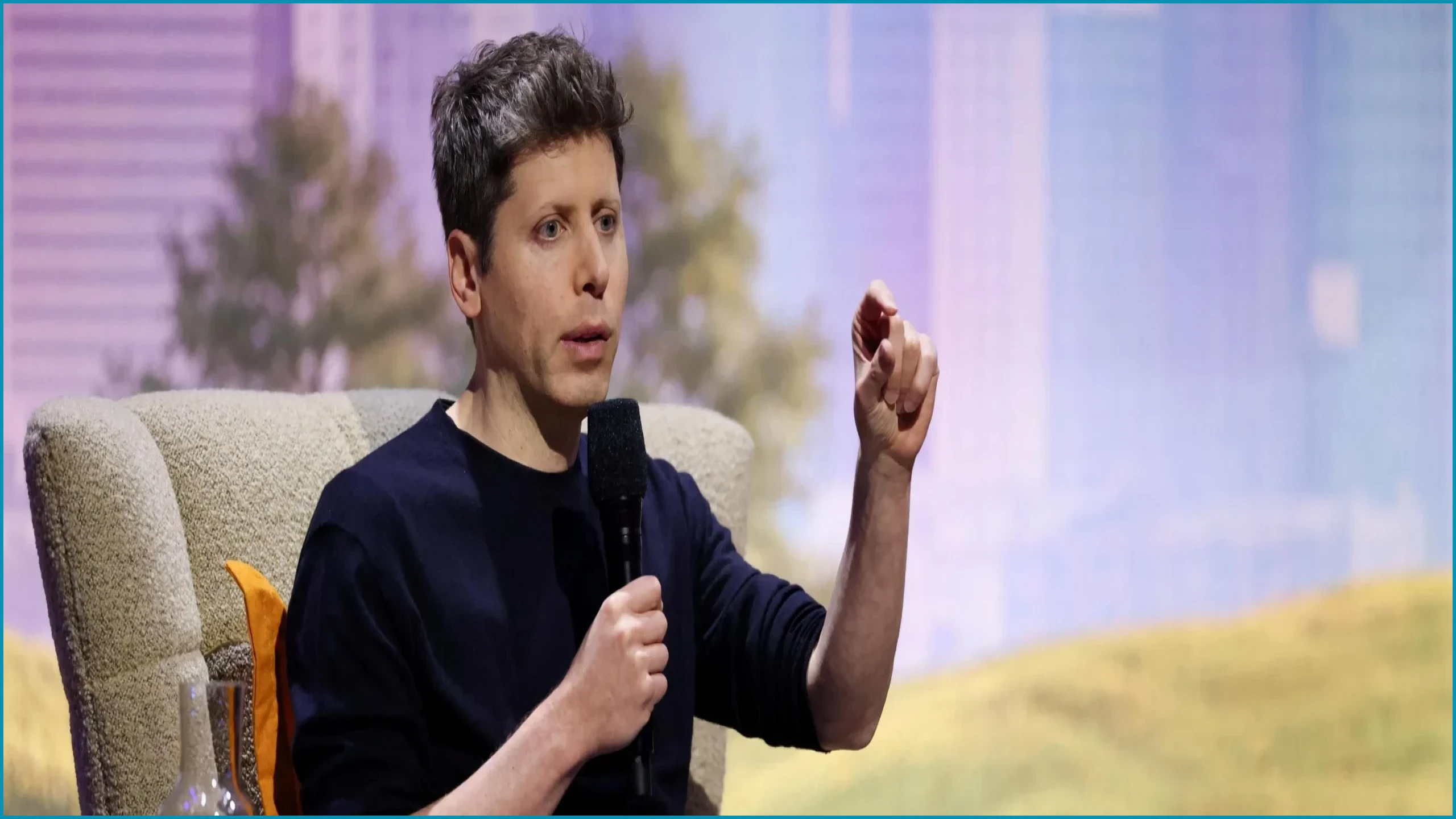
OpenAI chief executive Sam Altman has urged the public to trust artificial intelligence developers to act responsibly, even as he acknowledged that rising anxieties about the rapidly advancing technology are entirely justified. Speaking on Tuesday at software firm Salesforce's annual conference in San Francisco, Altman addressed the mounting public concern and scrutiny facing the sector.
"The world should trust that we are going to do the right thing because it's the right thing and we feel the magnitude of this," Altman told the audience of business professionals. However, he admitted that the swift evolution of these tools has made potential downsides far easier to envision than in the past. "It doesn't take as much imagination as it used to for [us] to imagine how this could go wrong," he remarked, adding, "I think the world is right to be afraid of this."
The remarks marked Altman's first public appearance since a viral post by a departing Anthropic researcher sparked intense debate. The researcher warned that unchecked AI could lead to the extinction of humanity by the end of the decade. While several other AI executives and experts agreed with the warning, they did not clarify their methodology or explain how such a catastrophic outcome would occur. In the wake of the controversy, Anthropic chief executive Dario Amodei called for a slowdown in development and urged governments to intervene with regulations. Although that proposal was initially supported by Altman, Google DeepMind co-founder Demis Hassabis, and X owner Elon Musk, the industry's consensus shifted toward self-regulation by Tuesday.
Altman expressed strong confidence that AI firms are capable of managing their own safety protocols without government involvement. "We will get it right, I'm very confident in our company's and industry's ability to do this safely," he said, promising that developers would prioritize "alignment and safety way ahead of capabilities." If safety cannot be guaranteed, Altman asserted that companies would "slow down or stop."
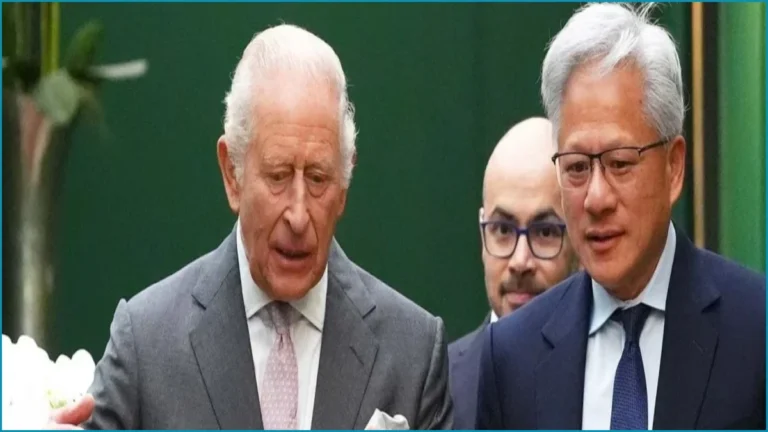
Other prominent tech leaders echoed Altman's preference for self-policing. Meta chief executive Mark Zuckerberg posted on X that every AI laboratory possesses both the capability and the financial incentive "to take its own actions" to design safe models. Zuckerberg argued that "any lab that doesn't focus on alignment will fall behind," noting that "labs face significant liability if their models cause harm, so they have a strong incentive to prevent this as well." Meanwhile, Nvidia chief executive Jensen Huang, whose company has become the world's most valuable by valuation due to soaring demand for its AI computing chips, rejected the need for external oversight. "We don't need new laws or regulations," Huang said, describing the tension between innovation speed and safety as a "false choice." He characterized safety as an "engineering problem" and advised that if any executive loses confidence in their system, they should simply choose not to release it. "That's a very obvious thing to do," Huang said, adding, "Run as fast as you can, but if at any time you feel the institution is not in control, take a pause."
This push for self-regulation comes amid varying political and industry perspectives. Donald Trump has dismissed AI safety concerns as a "hoax" and rejected calls for government-mandated safeguards. Conversely, Altman encouraged the business leaders in attendance to adopt AI tools not only to improve their operations but also to shield their enterprises from AI-enabled cyber attacks. Some industry observers have suggested that the apocalyptic warnings are being exaggerated to generate marketing hype for tech companies.
However, the idea of allowing AI companies to self-regulate has drawn sharp criticism from others within the field. Jack Clark, a co-founder and executive at Anthropic, warned that leaving the industry entirely unregulated amounted to "rolling dice with immense risks." Patrick Hillman, the chief operating officer of Logical Intelligence—a firm chaired by AI pioneer Yann LeCun—expressed deep skepticism regarding the public's trust in tech companies. "The only institution that Americans might trust less than Washington these days is Silicon Valley. I have worked and lived in both and I assure you both have earned this scepticism," Hillman said. He challenged developers, stating, "If you believe what you are building is dangerous, show us what you are prepared to stop doing."