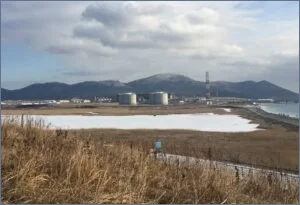
Japan remains one of the world's most energy-insecure nations, relying on imports for nearly 100 percent of its crude oil and coal, while liquid natural gas (LNG) provides 30 percent of its electricity. With the country importing more than 97 percent of its total LNG, the government is grappling with the logistical and economic consequences of weaning itself off Russian energy supplies. Despite pressure from the United States to phase out procurement from the Sakhalin-II project in the Russian Far East, the Takaichi administration maintains that these imports are vital for national energy security.
Currently, Japan sources 5 million tonnes of LNG annually from Russia, representing 9 percent of its total imports. Industry leaders warn that replacing this supply would likely lead to significant cost increases and potential shortages for consumers. Transporting Russian LNG from Sakhalin Island to Japan takes only two to three days, a stark contrast to the seven days required for Australian imports or the 20 to 40 days for shipments from the U.S. Gulf Coast. As households face a persistent cost-of-living crisis, the government has shown little appetite for policies that would exacerbate financial strain.
Although the U.S. Treasury granted a fifth extension of Japan’s sanctions waiver for Russian LNG until the end of 2026, Tokyo recognizes that this exemption will not last indefinitely. The diplomatic landscape has further complicated this issue, particularly following an unannounced visit by Russian President Vladimir Putin to a disputed Kuril Island in August. While the Takaichi government officially described the visit as “absolutely unacceptable” and claimed it damaged public sentiment, critics argued the response was insufficient. Government insiders have indicated that energy dependency concerns effectively ruled out any immediate cessation of imports from Sakhalin-II.
This reliance is a byproduct of the former Abe Shinzo administration’s strategy to resolve territorial disputes through economic engagement, which included Japanese investments in Russian energy infrastructure. These ties now constrain Tokyo’s foreign policy options. With the bulk of Sakhalin-II contracts expiring between 2028 and 2033, Japan faces a narrowing window to secure alternative supplies. Global competition for gas is intensifying, exacerbated by the disruption of Qatari LNG following the U.S.-Iran conflict.
Alternative providers offer their own challenges; Australian production is plateauing, and U.S. shipments face transit risks through the Panama Canal or lengthy routes around the Cape of Good Hope. While Canada is expected to emerge as a significant, cost-competitive exporter between 2028 and 2032, none of these options match the accessibility of Russian gas. Ultimately, Tokyo must balance the risk of damaging bilateral relations with Moscow against the need to maintain its standing among G7 allies, all while navigating broader security threats from China and North Korea.
Successive energy shocks produced by Russia’s invasion of Ukraine and the closure of the Strait of Hormuz have raised household costs and depressed growth. The International Energy Agency forecast that Japanese electricity prices for the second half of 2026 will surge 40 percent year-on-year, compared to only 25 percen
You have reached the limit of 2 free articles this month.