The war in Iran has cost the United States at least $38 billion and left its defensive missile stockpiles so depleted that rebuilding them could take up to five years, according to a new report from the non-partisan Congressional Budget Office (CBO). The damaging economic assessment arrives less than two months before midterm elections, where the ongoing conflict and a domestic cost-of-living crisis are expected to heavily impact Republicans at the polls.
The CBO's findings were published just one day after the Pentagon’s inspector general released its own initial review of the war. That defense audit calculated that the U.S. had spent $33.4 billion overall through June 30, including $22.3 billion on munitions alone. The inspector general warned that the intensity of the fighting has caused "strategic inventory shortfalls" and exposed significant bottlenecks within the industrial base responsible for resupplying munitions.
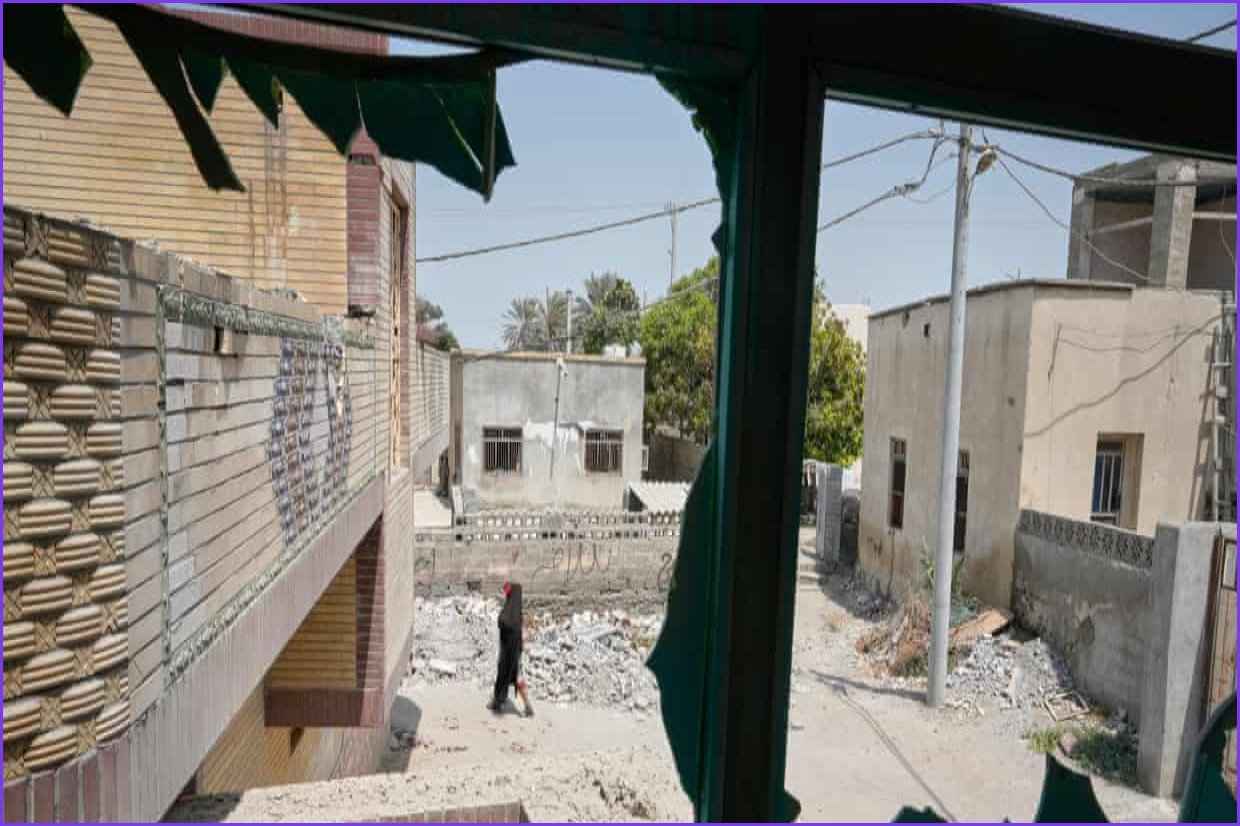
Notably, the Pentagon's review did not mention an internal investigation into the strike on a school in Minab on the first day of the war. That attack killed 156 people, including 120 children. Critics have accused defense officials of burying the investigation's findings to hide potential negligence in how targeting data was compiled for the opening strikes of the campaign.
The CBO report, which represents some of the first comprehensive public accounting of the war's financial toll, was requested by Representative Brendan Boyle, a Democratic congressman and the ranking member of the House budget committee. Beyond the overall price tag, the report detailed that Iranian strikes have damaged or destroyed hundreds of buildings and structures at U.S. military bases across Kuwait, Bahrain, Qatar, the United Arab Emirates, Saudi Arabia, Iraq, Oman, and Jordan. The CBO estimates that the war will continue to cost an additional $3 billion for every month it persists, depending on the intensity of the combat.
In response to warnings about weapon shortages, Donald Trump issued a White House statement claiming the U.S. possesses "far more munitions than anyone in the world" and "far more than we need." Separately, Defense Secretary Pete Hegseth dismissed reports of depleted stockpiles as "not true" in August.
However, the CBO warned that the current munitions shortage could become "especially problematic" in the event of a hypothetical military conflict over Taiwan. Such a scenario would require a massive volume of interceptors to counter China's rapidly expanding arsenal of ballistic and cruise missiles. The report noted that a campaign to defend Taiwan would likely demand far more interceptors, deployed at a much faster rate, than the current operations against Iran.
Replacing expended weapons has been the primary driver of the Pentagon's war costs, totaling $21.7 billion so far, with $13.1 billion dedicated specifically to missile defense interceptors. The CBO also factored in damage to American aircraft and hardware, including a destroyed THAAD radar system. Because the Pentagon did not respond to the CBO's official requests for information, the budget office noted it had to construct much of its assessment using public reporting.
The economic fallout of the war has also exacerbated domestic inflation, driving it up by half a percentage point. Disruption to oil shipments through the critical Strait of Hormuz caused Brent crude to surge from $64 a barrel before the war to a peak of $103. The CBO projects that the conflict will keep inflation 0.5 percentage points higher than previously expected through early 2027, with short-term interest rates already running about 0.2 percentage points higher than normal. The office added that it cannot yet project the eventual cost of repairing damaged U.S. bases or estimate the long-term diplomatic and foreign aid expenses linked to the war.