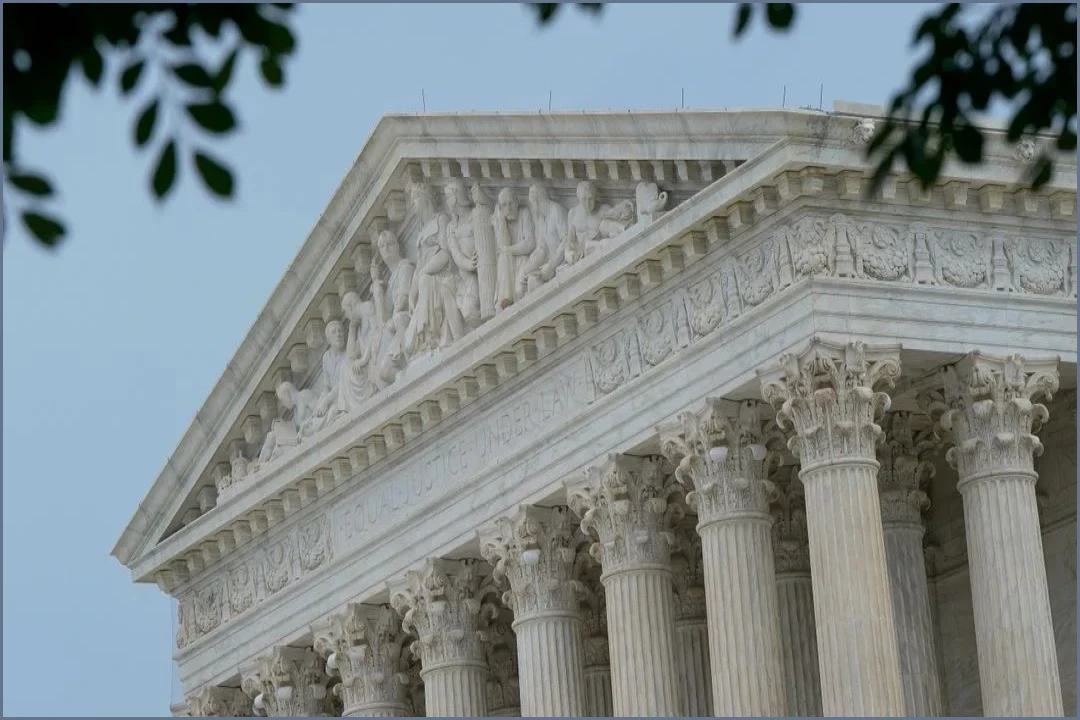
In a significant legal development ahead of the critical midterm elections, the US Supreme Court has rejected President Donald Trump's efforts to impose restrictions on mail-in ballots. The ruling ensures that states may continue to manage mail-in voting using the same established processes that have been in place for years. The high court's decision arrived following a period of intense last-minute legal challenges. While the nine-member panel ultimately ruled against the restrictions, two of the six conservative justices dissented. Justice Brett Kavanaugh, writing in a concurring opinion for the majority, noted that while the President’s plan might be legally viable in the long term, state and local election officials simply do not have sufficient time to implement such a rule before the upcoming elections.
President Trump had signed an executive order in March aimed at limiting mail-in voting, citing concerns that the process was vulnerable to fraud. This order was met with immediate legal pushback, including lawsuits from Democratic-led states. These states argued that the US Constitution grants broad control over election administration to the states rather than the federal government. Under the proposed order, the administration would have required the compilation of specific eligible voter lists and mandated that the US Postal Service (USPS) deliver ballots exclusively to those on such lists.
State officials had previously warned that the lack of legal clarity surrounding the plan was creating chaos. With states like North Carolina already in the process of distributing ballots, concerns were mounting. Furthermore, a USPS whistleblower cautioned that millions of Americans could fail to receive their ballots due to the postal service's systems being established in a manner described as "sloppy and rushed." Despite his long-standing criticism of mail-in voting, President Trump has utilized the system himself, including casting a mail-in ballot during Florida's Republican primary last month. As the November 3 vote approaches, polls indicate that the Republican Party faces a potential threat of losing its narrow control over Congress. Democrats have signaled that if they take control, they would likely block the President's agenda and potentially move to impeach him for a third time.