Niger’s junta leader, General Abdourahamane Tchiani, has announced the appointment of a new armed forces chief of staff. The decision, revealed via a decree read on state television late Friday, comes less than two weeks after a violent mutiny challenged the junta's control over the country.
Brigadier General Mamane Sani Kiaou has been named to replace Major General Moussa Salaou Barmou, who had served as the top military commander since the July 2023 coup that removed democratically elected President Mohamed Bazoum. No official reason was provided for the leadership change. Kiaou, who previously served as army chief, is recognized as a veteran field commander with experience overseeing operations against armed groups in the southeastern Diffa region and the western Tillaberi region.
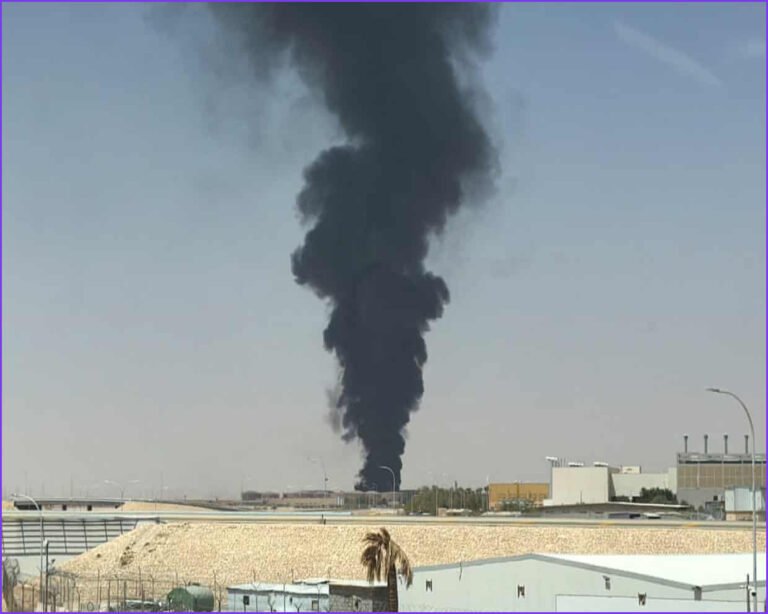
The reshuffle follows a nearly 24-hour mutiny that took place in the capital, Niamey, on August 28 and 29. According to the Defense Ministry, the uprising involved mostly young soldiers who seized hostages at Base 101, located at Diori Hamani International Airport, and fired upon various sensitive sites. The airport currently serves as the headquarters for both a joint military force involving Niger, Mali, and Burkina Faso, and Russia’s Africa Corps.
Diplomats and analysts have indicated that the mutineers were motivated by grievances regarding poor military conditions and the escalating threat of militant violence. Many of the soldiers involved were reportedly from the western and southern regions of the country, which have faced the most significant attacks. Presidential guard forces eventually regained control of the base with the assistance of ground and aerial support from Russia’s Africa Corps. While authorities confirmed the deaths of three presidential guard members and noted that dozens of mutineers were either killed or arrested, they have not released an overall death toll or specified potential charges for those detained.
The junta originally justified its 2023 seizure of power by highlighting the previous civilian government’s inability to address extremist violence. However, security has continued to decline as the current administration has shifted its alliances, ending military cooperation with the United States and France in favor of partnerships with Russia.