Malta is facing warnings of a deepening corruption crisis after the acquittal of Yorgen Fenech, a prominent businessman accused of involvement in the 2017 car-bomb assassination of investigative journalist Daphne Caruana Galizia. The verdict, which dismissed charges against Fenech by an 8-1 majority, has prompted a formal inquiry by the Council of Europe into the state of the rule of law and the protection of journalists on the island.
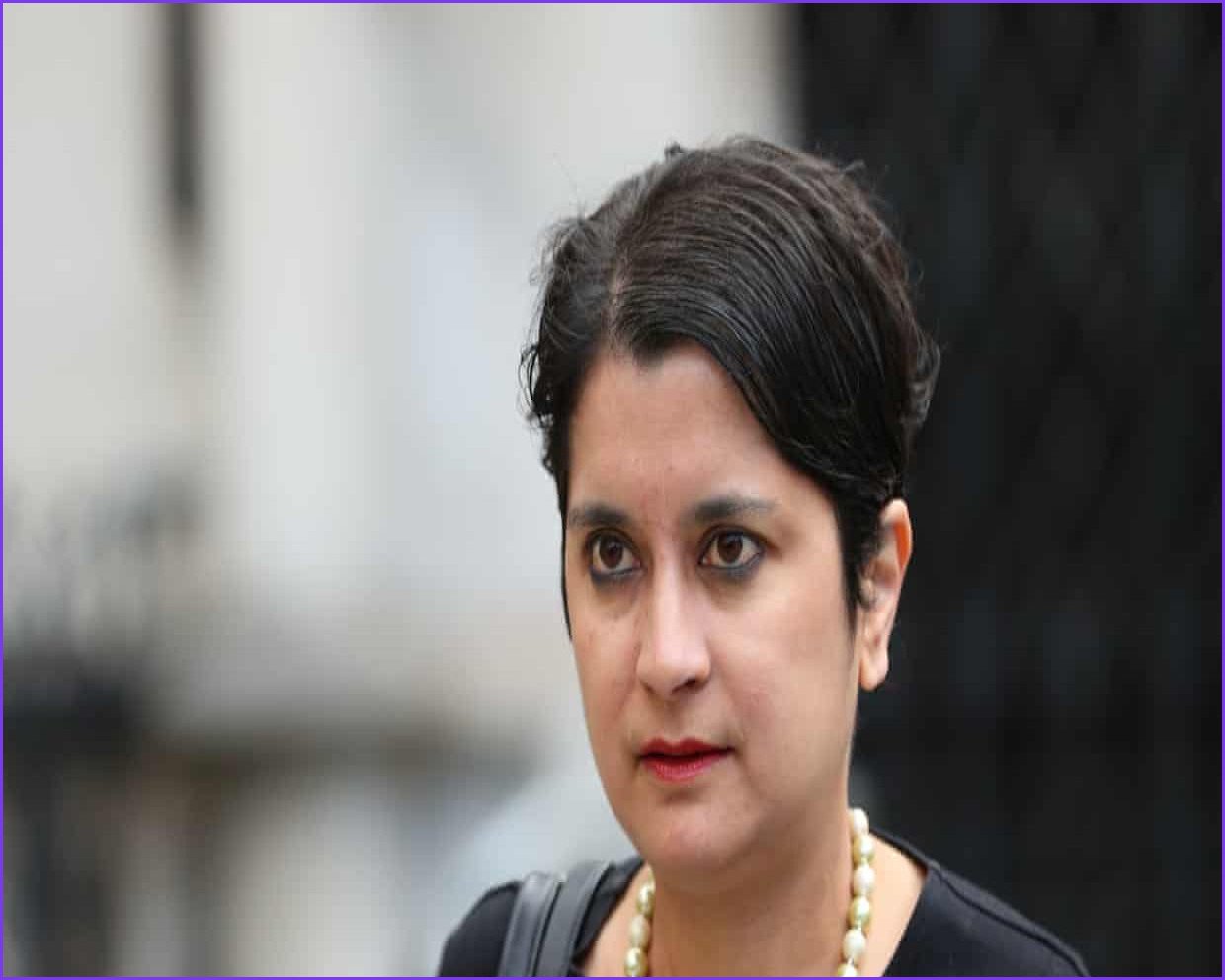
Shami Chakrabarti, a member of the UK House of Lords and former director of the human rights organization Liberty, has been appointed as the special rapporteur for the investigation. Speaking at the inquiry’s opening hearing on Wednesday, Chakrabarti noted that the verdict had left many in Maltese society and beyond feeling staggered. She stated that nearly nine years after the murder, which struck at the heart of Maltese public life, a mastermind has yet to be held accountable. She emphasized that the country remains vulnerable to repeated high-level corruption unless it strengthens its judicial institutions and protections for the press.
The journalist’s family, including her eldest son, Matthew Caruana Galizia, and her sister, Corinne Vella, testified at the hearing, questioning how the jury reached its decision despite the evidence presented. Vella remarked that the fear of impunity has grown significantly since the verdict, noting that journalists investigating government corruption now feel uneasy moving about the country. Meanwhile, the state prosecutor is reportedly preparing an appeal to seek a retrial.
Fenech has consistently denied the allegations, including the claim that he paid a middleman €150,000 to orchestrate the killing. During the proceedings, members of the Council of Europe expressed shock at the outcome. Iulian Bulai, a Romanian politician, suggested that the European Union should consider withholding funds from Malta using the rule of law conditionality mechanism, a procedure previously applied to Hungary, to pressure the government into implementing long-overdue reforms.
Chakrabarti highlighted that the public inquiry following the 2017 assassination had already identified a climate of impunity within the state, yet many of its key recommendations—such as the introduction of anti-mafia laws and criminalizing the abuse of office by public officials—remain unimplemented. She compared the situation to major miscarriages of justice in the UK, such as the Post Office scandal and the Grenfell Tower disaster, and expects her own inquiry to conclude within one year.
The Council for Europe, founded in 1949 after the second world war, created the European convention on human rights. It is led by an assembly drawn from members of the parliaments of its 46 member states.
Malta, the EU’s smallest member state, with a population of 600,000, is a net recipient of EU money. Analysis suggests that since joining the block 22 years ago, the island has received €2.4bn more in subsidies than it has paid in.