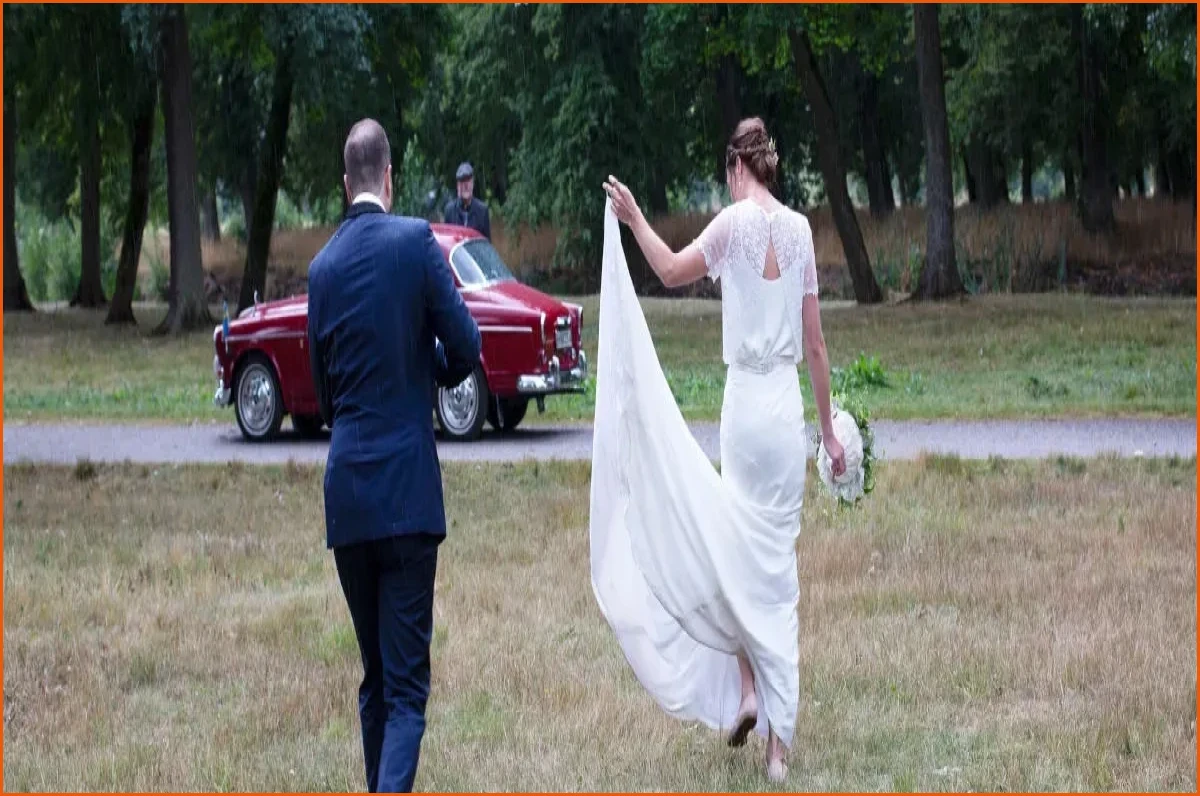
Sweden offers a highly accessible path for couples looking to tie the knot, requiring neither citizenship nor residency to legally marry within its borders. This open approach has made the country a popular destination for international weddings. Additionally, Sweden was a global pioneer in marriage equality, legalizing same-sex marriage in 2009. However, specific rules apply to international same-sex couples: if neither partner is a Swedish citizen or resident, at least one of them must hold citizenship in a country where same-sex marriage or registered partnership is legally recognized. Furthermore, while civil registrars are legally obligated to perform same-sex ceremonies, religious officiants such as priests, rabbis, and imams retain the right to refuse.
Despite the ease of getting married, many couples residing in Sweden choose not to do so. This is largely due to the country's Cohabitation Act, known as sambolagen, which legally secures several key rights for unmarried couples who live together. It is also important to note that marriage does not provide a shortcut for immigration. If a non-EU citizen wishes to move to Sweden to join their partner, a marriage certificate is not a deciding factor for visa eligibility. Instead, Swedish migration officials evaluate whether the couple has a history of living together and whether the Sweden-based partner meets strict requirements regarding income and apartment size.
For those who decide to proceed with marriage, the essential first step is the legal assessment of eligibility, known as hindersprövning (consideration of impediments). If one or both partners are not registered in the Swedish population register (folkbokförd) and do not possess a Swedish personal identity number, they must prove their identity and current marital status—confirming they are single or divorced—using official documentation from the relevant authority in their country of residence or citizenship. Couples in this situation are advised to contact the Swedish Tax Agency (Skatteverket) directly to confirm the exact paperwork required.
Once the Swedish Tax Agency completes the inquiry and finds no legal obstacles, it issues a wedding certificate (vigselintyg). This certificate is valid for exactly four months from its date of issue. Because the verification process can take time, authorities recommend that couples submit their applications several months before their planned wedding date. The necessary forms can be downloaded from the tax agency's website.
Couples must also decide whether they want a religious or civil ceremony. Religious ceremonies are performed by representatives of recognized religious communities, while civil ceremonies are conducted by officials appointed by the county administrative board. To arrange the service, couples should contact the relevant local municipality or religious institution, such as the Church of Sweden. It is crucial to ensure the officiant is legally authorized; Sweden's Kammarkollegiet maintains a register of approved religious communities and officiants, and any marriage conducted by an unapproved individual is legally invalid. Unlike some nations, Sweden does not allow ordinary citizens to officiate weddings, though loved ones can participate by delivering speeches during the event.
During preparations, couples can discuss the logistics of the ceremony with their chosen officiant. This includes choosing the language of the service—such as English, Swedish, or another language—deciding on vows, and arranging the exchange of rings. Following the ceremony, the officiant presents the newlyweds with a ceremonial marriage certificate (vigselbevis) for their personal records. The officiant is also responsible for completing the official proof of marriage (intyg för vigsel) and returning it to the Swedish Tax Agency, which updates the national registry. This means the couple has no further administrative tasks unless they decide to change their surnames.
In terms of expenses, the administrative process in Sweden is highly cost-effective. The hindersprövning eligibility check is entirely free of charge. The ceremony itself can also be free; a religious service at a Swedish church is typically free if at least one partner is a member of the Church of Sweden. For other faiths, couples should contact their specific mosque, synagogue, or religious association to inquire about fees. Civil ceremonies are also generally free or require only a small administrative fee for the venue, which is typically around 500 Swedish kronor or less. However, if a civil ceremony is held at a location outside of city hall, the couple is usually expected to cover the officiant's travel expenses.
Well, apart from the chance of a wedding in a beautiful rural setting, there are several practical reasons to tie the knot.