The U.S. State Department is preparing to revoke the B1 and B2 non-immigrant visas of as many as 200,000 foreign nationals who entered the country as short-term visitors but subsequently filed for asylum. These business and tourism visas, issued between 2016 and 2026, are being targeted as part of a broader crackdown on what the administration describes as an immigration system overwhelmed by "frivolous asylum claims."
A spokesperson for the State Department confirmed that the agency is currently working with the Department of Homeland Security to identify and invalidate the documents of individuals who claimed to be short-term travelers while intending to stay in the United States permanently. If fully implemented, this action would represent the largest single mass revocation of visas in the history of the United States. While the State Department did not provide an official count of the affected visas, the Associated Press reported the 200,000 figure citing internal documents and two U.S. officials.
Although these revocations would effectively strip individuals of their status as authorized business or tourism travelers, the process does not necessarily trigger immediate deportation. Most of those affected who currently have pending asylum cases would instead see their records re-categorized. Earlier this month, the State Department noted that it had already revoked more than 175,000 visas of foreign nationals during the current administration.
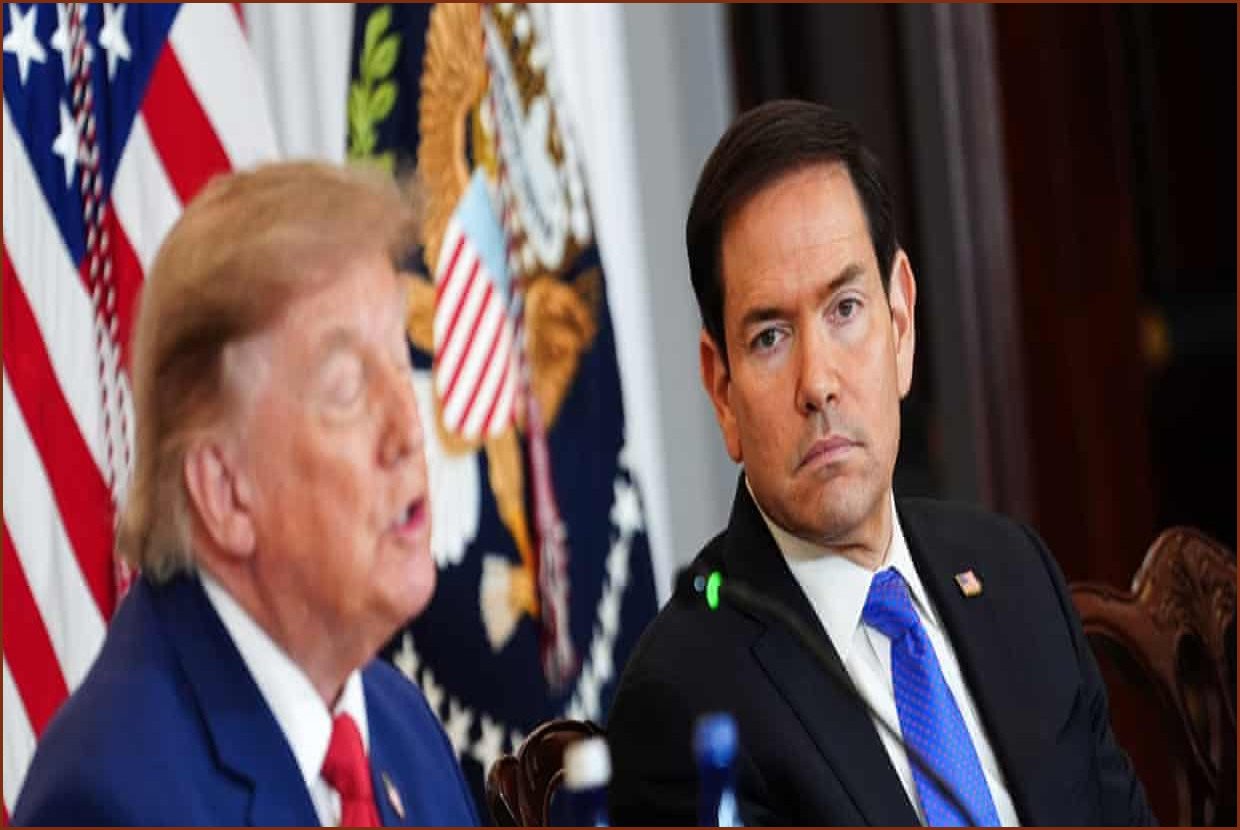
The policy follows comments made Monday by U.S. deputy secretary of state Christopher Landau, who alleged on X that the American immigration system has long been hindered by meritless asylum claims. President Trump has consistently pursued an aggressive immigration strategy, including the cancellation of visas and green cards, which he argues is essential for domestic security. However, the administration’s approach—which also includes increased fees for certain work visas and efforts to curb legal immigration—has faced ongoing legal challenges. Critics and rights groups have expressed strong opposition, arguing that the crackdown violates due process and free speech, while creating an environment of racial profiling that disproportionately impacts ethnic minorities.