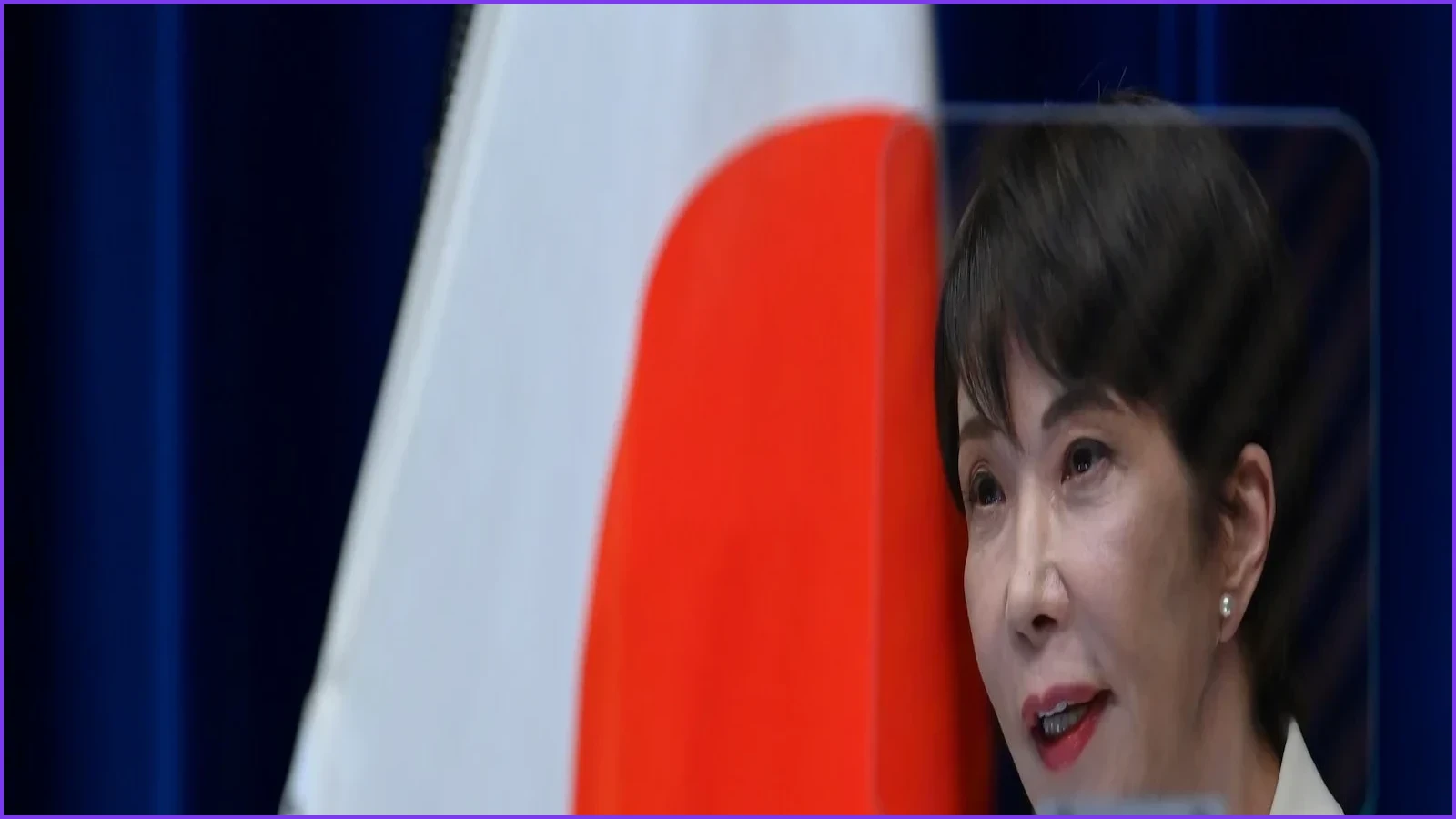
A cross-party group of Japanese lawmakers arrived in Beijing on Monday to begin a series of meetings with Chinese officials, marking the first such visit since diplomatic tensions escalated between the two nations. The delegation, which is scheduled to remain in China through Thursday, is seeking to address a cooling of relations that has begun to impact economic exchanges.
The group includes Gaku Hashimoto, a lawmaker from Prime Minister Sanae Takaichi’s governing Liberal Democratic Party and a former health and welfare vice minister. He is joined by representatives from the Komeito party and the Centrist Reform Alliance (CRA). The visit comes in the wake of significant friction caused by comments made by Prime Minister Takaichi shortly after she assumed office. Takaichi suggested that a Chinese military attack on Taiwan could constitute a "survival-threatening situation" for Japan, a remark that Beijing interpreted as a violation of a red line regarding the self-governing island it claims as its territory.
Shinichi Isa, a spokesperson for the CRA and a former diplomat at the Japanese Embassy in China, spoke to reporters at Tokyo’s Haneda airport before the group's departure. "Communication has been severed in all areas and we are beginning to see their impact in many areas," Isa said. He noted that he had previously written on X that bilateral ties had reached their lowest point since the 1972 normalization of relations. According to Isa, while previous diplomatic lows still allowed for communication between officials and ministries, "now all channels between officials and ministries have been cut off." He expressed hope that the visit would provide a "clue to restart a dialogue," noting that the current impasse is not in the national interest of either country.
While Prime Minister Takaichi has not retracted her statement on Taiwan, she opted to pray remotely on August 15 to mark the anniversary of Japan's World War II surrender, rather than visiting the Yasukuni Shrine. The shrine is viewed by China and South Korea as a symbol of Japan's wartime militarism. China's Foreign Ministry acknowledged the visit last Friday, stating that "some people of insight from both Japan's ruling and opposition parties" are concerned about the state of bilateral relations. The ministry urged the Japanese government to take these voices seriously and to "take concrete actions to create the necessary conditions for normal exchanges between the two countries."