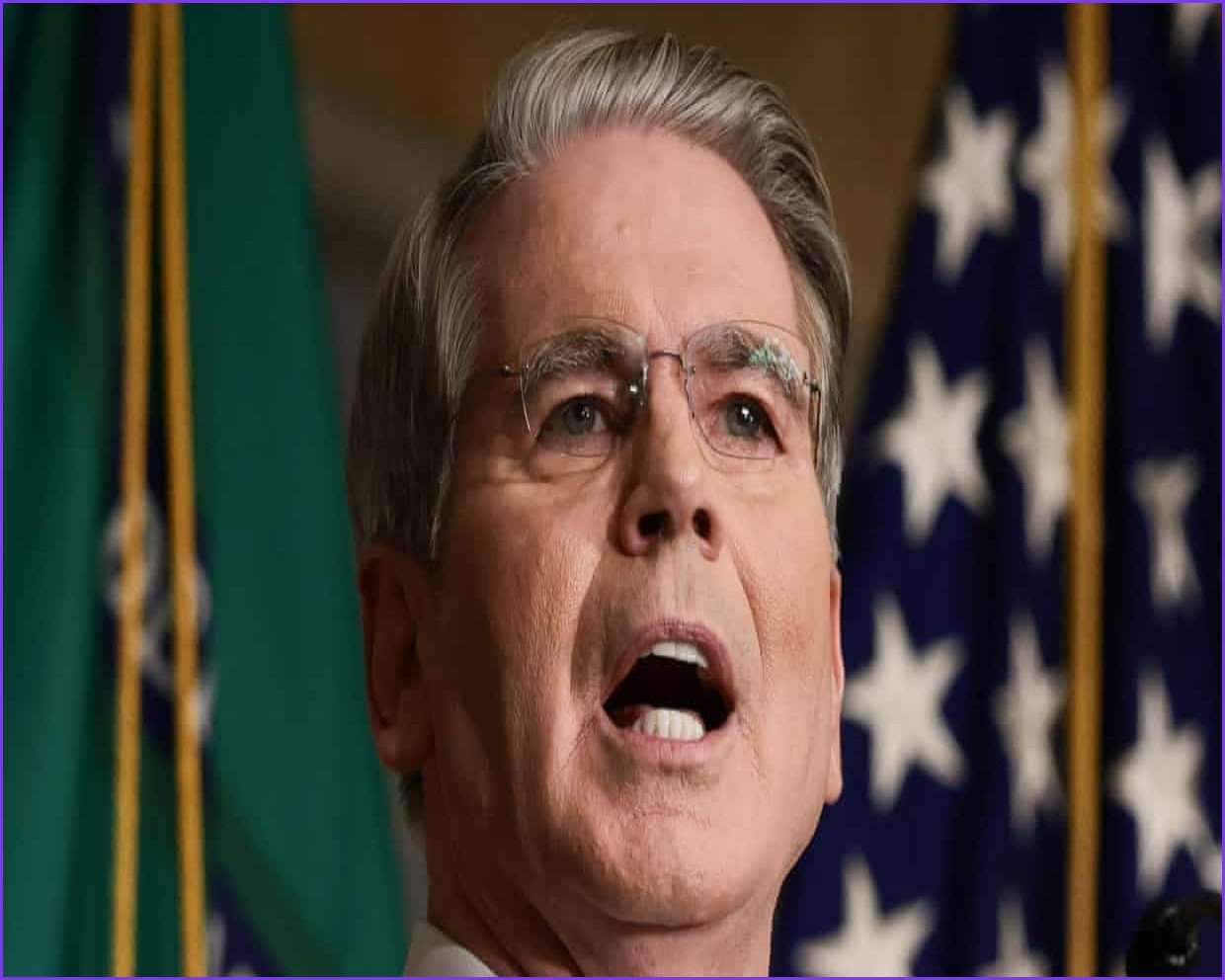
The United States has initiated a broad campaign aimed at isolating Iran, threatening to impose severe sanctions on any nation or entity that continues to maintain economic ties with the country. US Treasury Secretary Scott Bessent, who described the effort as "Operation Economic Outcast," stated that the initiative is intended to achieve through economic pressure what military actions have thus far failed to accomplish.
Comparing the new strategy to the D-day Normandy landings, Bessent described it as an "economic onslaught against Iran’s financial connections around the globe." He emphasized that the goal is to cut off all economic lifelines supporting the regime until Tehran stands alone. According to the Treasury Secretary, any entity that facilitates money laundering for Iran will be removed from the US dollar system, warning that "the clock just started ticking."
It remains unclear how the administration will address China, which currently serves as Iran’s largest trading partner and purchased approximately 80% of Iran’s shipped oil last year. When asked if Beijing would be subject to these measures, Bessent stated, "No one is above the reach of US sanctions," adding that anyone facilitating transactions in the ecosystem that converts Iranian oil into money would be targeted. The Chinese embassy in Washington responded by stating that sanctions and pressure do not resolve the issue, urging relevant parties to pursue diplomatic and political solutions.
Tehran has vowed to retaliate against any country participating in the US-led isolation campaign. Maj Gen Ali Abdollahi, the armed forces’ chief of staff, warned that potential responses could include land, sea, or air operations, as well as cyber-attacks. This escalation comes nearly six months after a joint US-Israeli attack resulted in the death of Iran’s supreme leader, Ali Khamenei. Expectations that the regime would collapse or abandon its nuclear program following that strike have not materialized; instead, hardliners have consolidated power and declared the closure of the Strait of Hormuz, leading to an ongoing impasse that has disrupted the global economy.
US Defense Secretary Pete Hegseth noted that military options remain on the table, stating that the US is not foreclosing the possibility of kinetic strikes near the Strait of Hormuz. While the United Arab Emirates has already announced the suspension of trade ties with Iran, other partners like Turkey have yet to respond to the US threats. Analysts remain skeptical of the strategy's success, with Andrew Miller of the Center for American Progress suggesting that while sanctions can be effective, they are unlikely to force a quick settlement favorable to the United States.